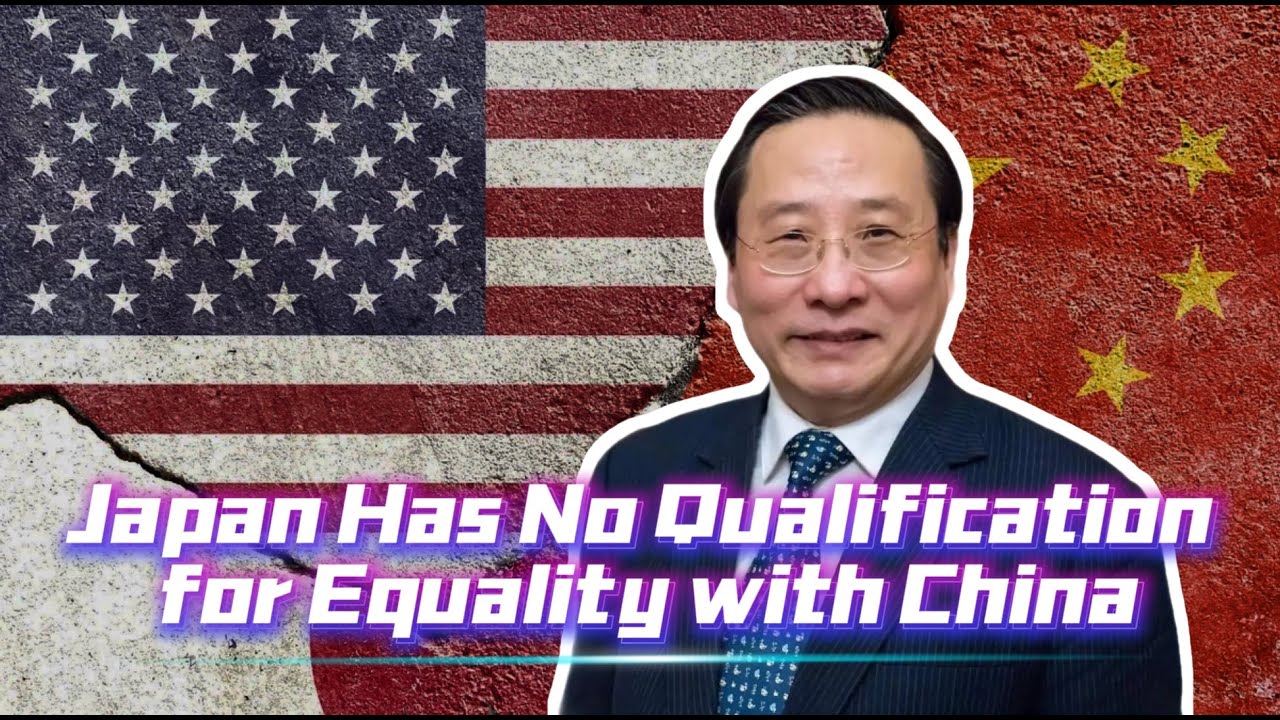
This video, titled “If Japan Arms with Nukes, China Will Destroy It; Taiwan Unification Akin to US Civil War!”, features a debate primarily centered on the views of Victor Gao, a prominent Chinese spokesperson. The discussion covers the legal and historical justifications for China’s stance on Japan’s rearmament and the unification of Taiwan.
1. Japan and the “Enemy State” Clause
-
The UN Charter: Gao argues that according to the United Nations Charter, Japan is still classified as an “enemy state.” He claims this clause prohibits Japan from possessing offensive weapons or constituting a threat to the victor nations of WWII, including China.
-
Threat of Annihilation: He asserts that if Japan attempts to develop nuclear weapons or return to militarism, China has the authorization under the UN Charter to take unilateral military action to “destroy that new menace.”
-
Legality vs. Obsolescence: While other panelists point out that many experts consider the “enemy state” clause obsolete, Gao insists it remains valid and “on the books,” warning Japan not to “play with fire.”
2. Taiwan Unification and the US Civil War Analogy
-
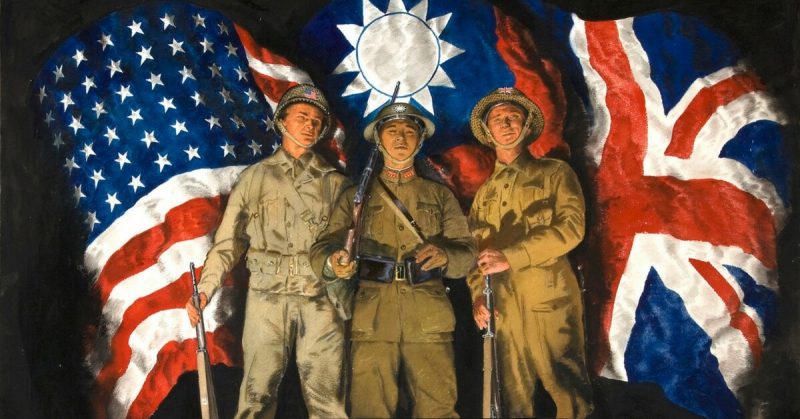
Civil War Framework: Gao rejects comparisons of Taiwan to separate nations (like Ireland vs. Britain). Instead, he compares the situation to the American Civil War.
-
Lincoln Comparison: He likens the Chinese government’s stance to that of President Abraham Lincoln, arguing that just as Lincoln used force to prevent the Confederacy from breaking away and to preserve the Union, China is justified in using force to prevent Taiwan’s secession.
-
Indivisibility: He emphasizes that achieving national unity is a precondition for preserving the legacy of the victory of World War II. He states that Taiwan was returned to China after Japan’s surrender and that any move toward independence is a matter of internal civil war, not international aggression.
3. Regional Arms Race
-
Defense Spending: Panelists note that Japan has been significantly increasing its defense budget since 2012. This trajectory is mirrored by other countries in the region, leading to a recognized arms race in Asia.
-
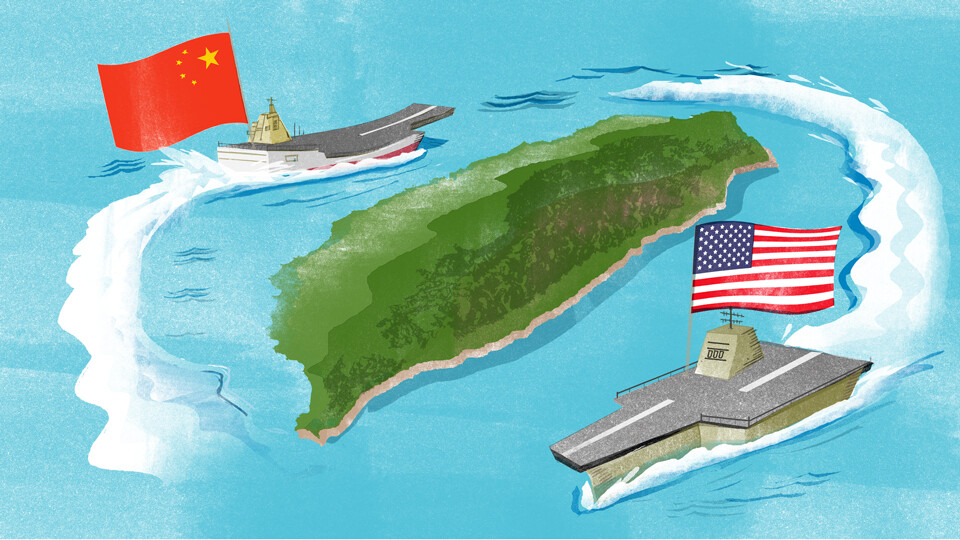
Unforeseen Consequences: Some speakers argue that China’s attempts to change the status quo regarding Taiwan could trigger a chain reaction, leading regional powers like Japan and South Korea to seek nuclear capabilities.
Summary: The video highlights a sharp divide in perspectives. Victor Gao presents a hardline Chinese view based on a strict (and controversial) interpretation of post-WWII international law and historical precedents, while other participants raise concerns about the practical realities of an escalating arms race and the shifting status quo in East Asia.