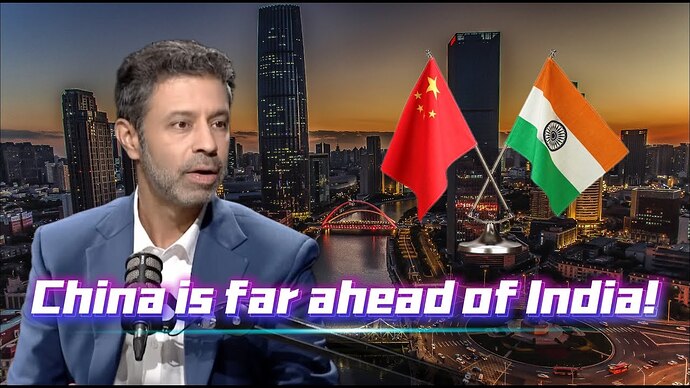
This video features an Indian journalist, Rahul Shivshankar, sharing his impressions after returning from a visit to Tianjin, China, on the sidelines of the Shanghai Cooperation Organisation (SCO) event.
Key takeaways from the journalist’s observations:
-
China’s Modernity and Development: The journalist was genuinely surprised by the level of development and modernity in Tianjin, stating that China is “far ahead” of India in this regard. He compares the scale of development to what one sees in the West, and notes that Tianjin is not even a top-10 GDP city in China.
-
The Gap with India: He acknowledges the significant gap between India and China in terms of infrastructure and development, stating he has now “understood the gap in concrete terms” and the urgency for India to close it.
-
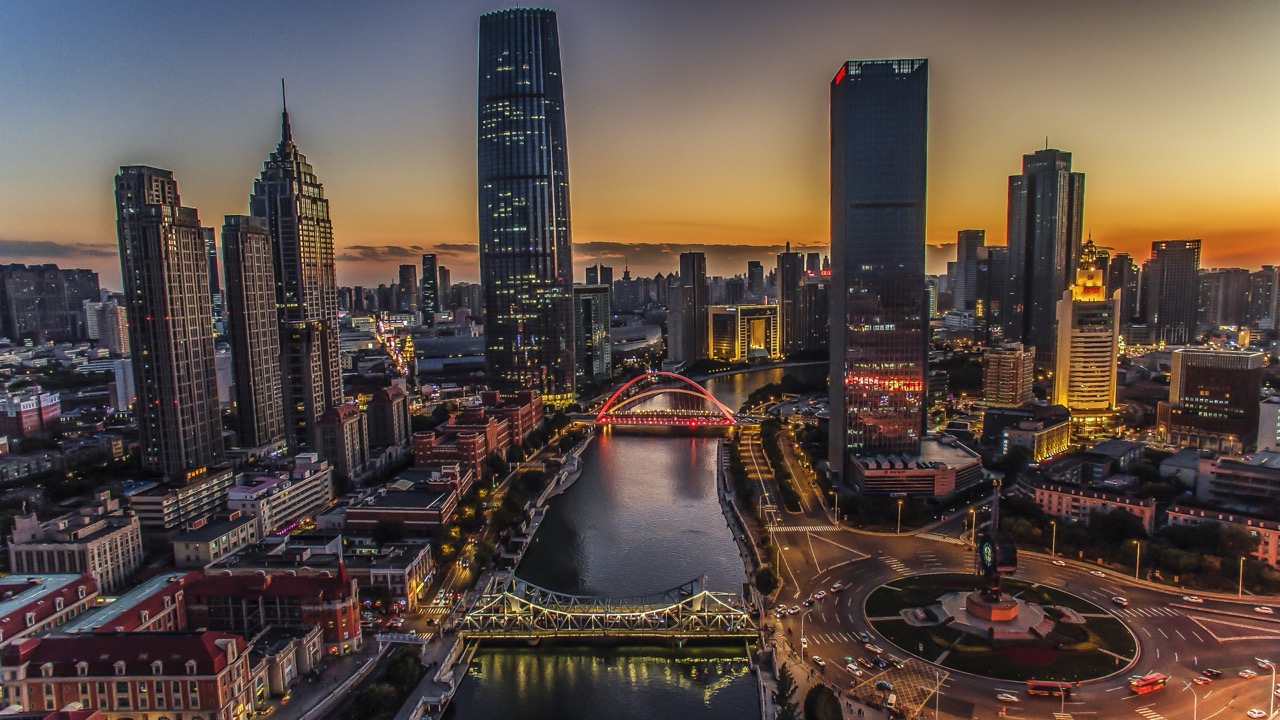
Tianjin’s Architecture: Tianjin is described as having a blend of styles, including European architecture from its six colonial concessions, juxtaposed with the towering, “hulking presence” of modern, brutalist-style buildings common in communist countries, now gleaming with glass.
-
Straight Roads and Governance: He theorizes that the notably straight and long roads are a direct result of an authoritarian state’s ability to execute land acquisition and construction quickly, contrasting this with the slow, circumventing, or stalled projects often seen in India.
-
Competing Models of Society: The journalist discusses the trade-off between the two countries’ models:
-
China’s Model: Successful in liberating people from hunger and providing stability (a successful model if the elemental need is liberation from hunger). This society, however, lacks spontaneity, openness, and freedom.
-
India’s Model: Offers individual freedom and the ability to express individuality.
-
-
The Need for Community and Urgency in India: He suggests that India needs to adopt a greater “sense of community and urgency” in its development efforts, believing that providing citizens with a home, a roof, and permanence (a stake in society) might foster a greater sense of community responsibility, discipline, and cleanliness, similar to neighborhood associations.
-
India’s Standing on the World Stage: He notes that the visit confirmed a growing respect for India among ordinary Chinese people, who recognize it as a “serious world power” that must be contended with, not reduced to a client state like Pakistan.
The video serves as a reflection on the state of development and governance in China versus India.