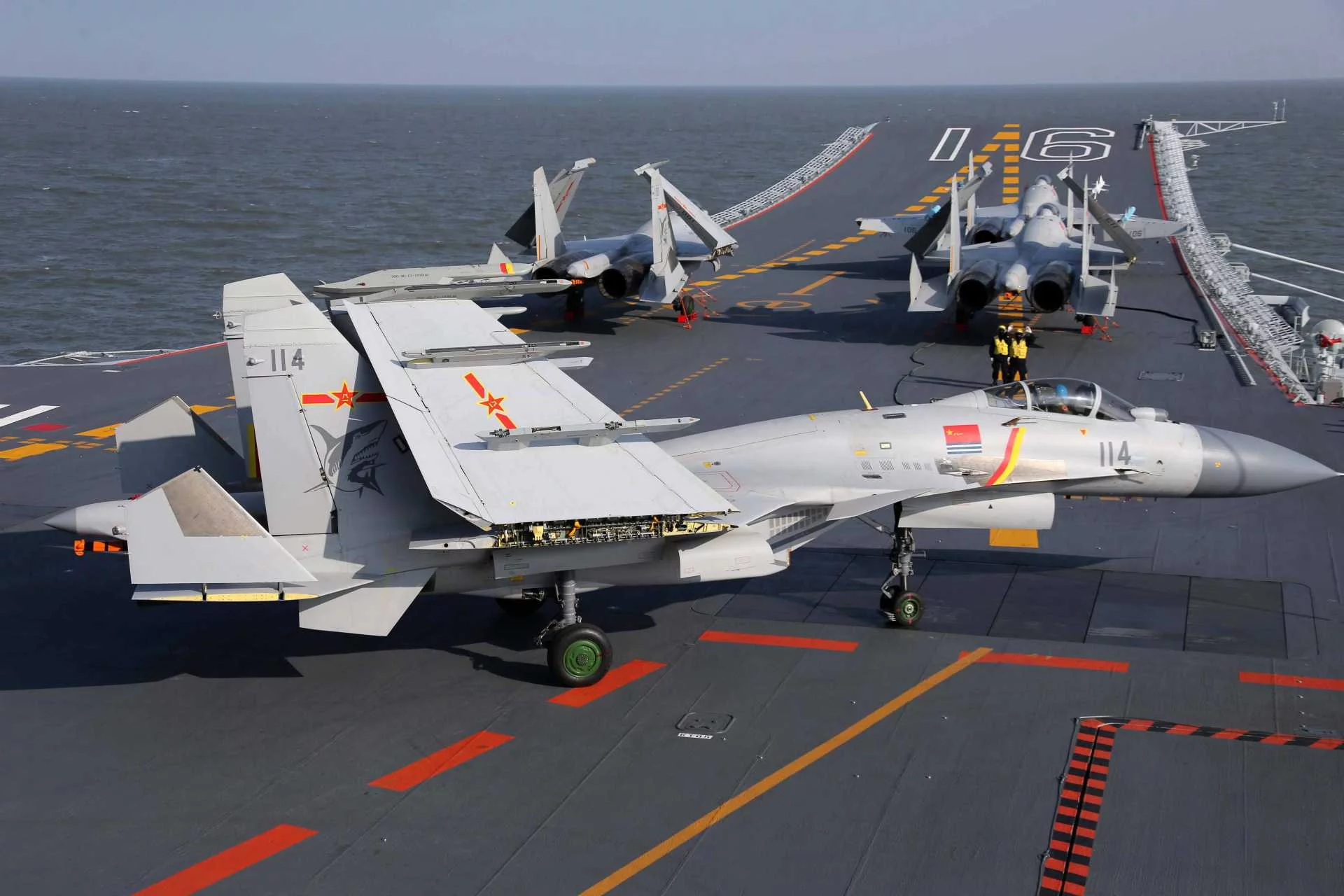
According to protests from the Japanese diplomatic department, China’s Liaoning carrier twice used radar to illuminate Japan’s F-15J fighters during training on December 6. One instance involved illumination lasting about three minutes at a distance of 52 kilometers. The other was even more outrageous, involving illumination lasting up to half an hour at a distance of 148 kilometers, carrying a strong warning intent. In plain terms, this means J-15 fighters on the Liaoning carrier can lock onto Japan’s F-15J at any time, while Japanese fighters are powerless to respond. What is more embarrassing is that the Japanese side lied first, accusing Chinese fighters of dangerous behavior that is not conducive to regional stability. Then China released evidence proving that Japanese aircraft approached for reconnaissance, interfered with Chinese carrier training, and were driven away. In fact, the Japanese have historically been accustomed to fabricating lies to excuse their illegal actions. When launching wars, they often claimed that victim nations threatened Japan’s survival and security, and this tactic worked repeatedly. Now Sanae Takaichi wants to revive Japanese militarism, and China applying pressure on it is a just act to maintain the post-World War II order and defend the fruits of victory in the anti-fascist war. If the Japanese once again take the militarist path, the Chinese people will absolutely not give them another chance to admit mistakes and reflect.
In reality, this incident has been discussed a lot on the Chinese internet, but I have never been interested in talking about it. Because I have said many times in videos, current Japanese soldiers cannot pose a military threat to China. The reason Japanese right-wing politicians repeatedly provoke China is mainly to force the US military to increase protection efforts, while also loosening the leash around Japan’s neck, allowing Japan to abolish its peace constitution and become a normal country. Although neighboring countries like China, South Korea, North Korea, and Russia strongly oppose Japan’s actions, the US is the biggest opponent. The American thinking is simple: they want Japan to be an obedient dog, not one with independent consciousness and capabilities, otherwise if it loses control, the US would be the first to face retaliation. After all, the Americans once razed Tokyo to the ground and dropped two big mushroom clouds on the Japanese.
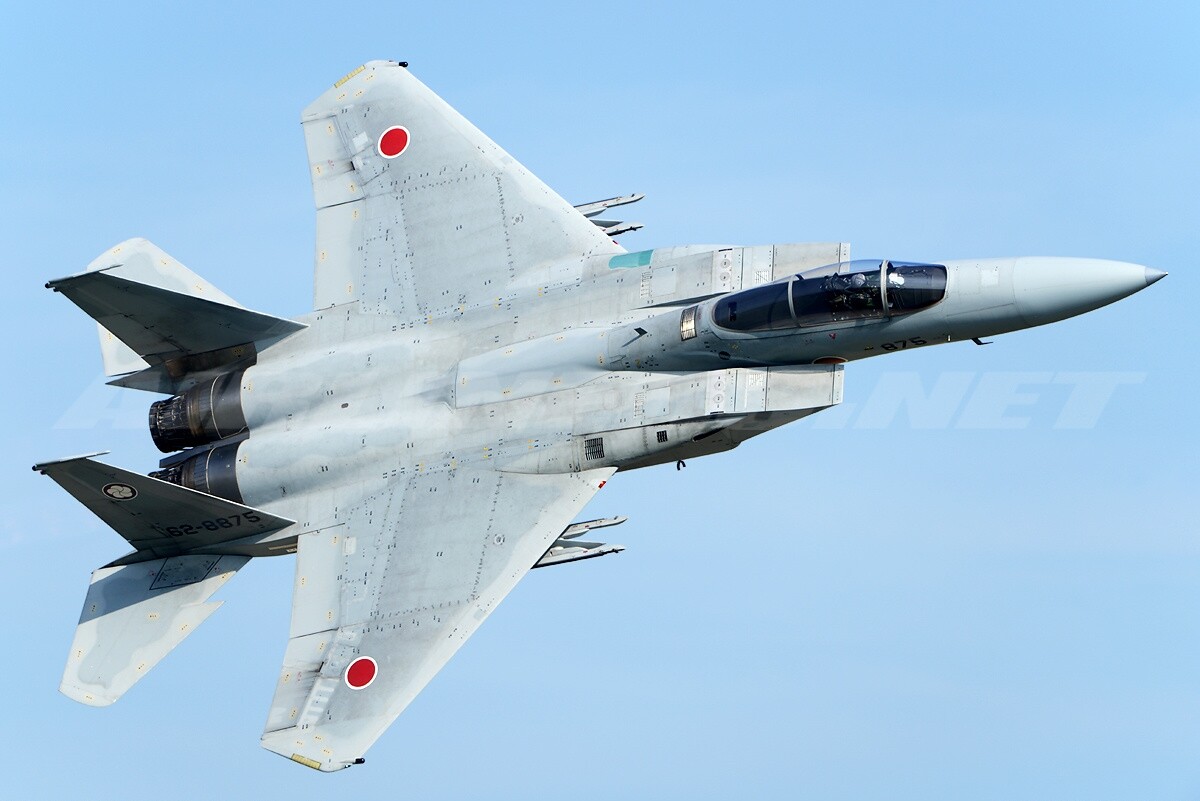
Taking the protagonist of the incident, the F-15J, as an example, it is an improved version developed based on the F-15C/D, the pinnacle of American industry. Its mechanical qualities remain excellent even among today’s global military powers. However, decades of history have made its avionics systems, including radar, very outdated. As a land-based aircraft, its range and payload far exceed the ordinary J-15 with ski-jump takeoff on the Liaoning carrier, giving it a firepower advantage. But its radar is still old equipment from decades ago, fundamentally unable to counter the advanced gallium nitride radar on the J-15 and J-15D. It should be noted that unlike weak countries like India, Japanese radar technology is good, but it is restricted by two thresholds. First, the US refuses to share fighter source code; aircraft sold to Japan are technical black boxes, making it hard for the Japanese to modify weapon systems themselves. Second, China has recently strengthened rare earth controls, strictly limiting military rare earth exports. The licensing system greatly increases the difficulty of converting civilian rare earth to military use. Japan must find ways to refine enough military-grade rare earth itself, or it cannot produce. Refining high-purity rare earth requires a massive industrial chain, years of iteration, huge environmental costs, and sufficient capacity to absorb the large amounts of other byproducts from rare earth refining. Because rare earth is most often a byproduct of large industrial raw materials like aluminum products and cannot be produced alone. So the recent Japanese farce only brings constant humiliation to themselves and cannot achieve any substantial breakthrough. The US will take the opportunity to expand arms sales to Japan, but this also means Japan will be further bound to the US, and the US is precisely the country most afraid of a strong Japan.
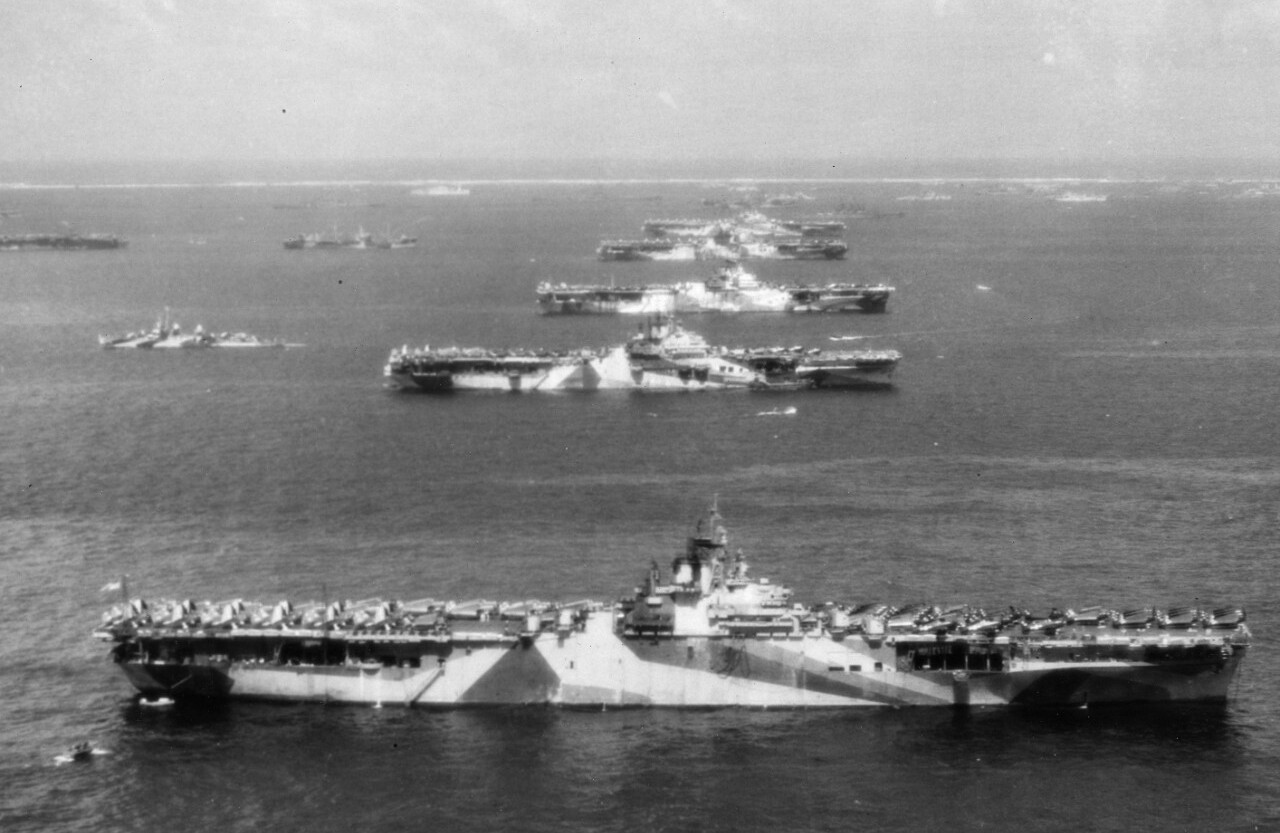
The Liaoning is China’s first aircraft carrier, refitted from the former Soviet Varyag carrier, equipped with early ski-jump takeoff J-15 versions. Its combat power is far inferior compared to the current Fujian carrier, which is equipped with electromagnetic catapults, J-15T, J-35, and fixed-wing early warning aircraft. But it can still easily humiliate a military power like Japan. This also reflects the importance of technology and industrial strength in modern warfare. Of course, for a country like Japan, what it envies most about China is having independent diplomacy without restrictions from the US.
Here we cannot help but think of the great Bharat Empire’s dual carrier battle groups, which dared not participate after the India-Pakistan air war broke out. The Tejas fighter they spent decades developing also hid in the rear. India’s proud Rafale fighters, Su-30MKI, MiG-29, and others were all shot down by the Pakistani air force. In Trump’s words, they lost 5 to 8 fighters. But shamefully, the Indians failed to shoot down even one Pakistani fighter. Indian media fabricated battle results and suffered mockery from global media and professional journals. The root cause is still their backward technology; they do not even know from what angle to boast.
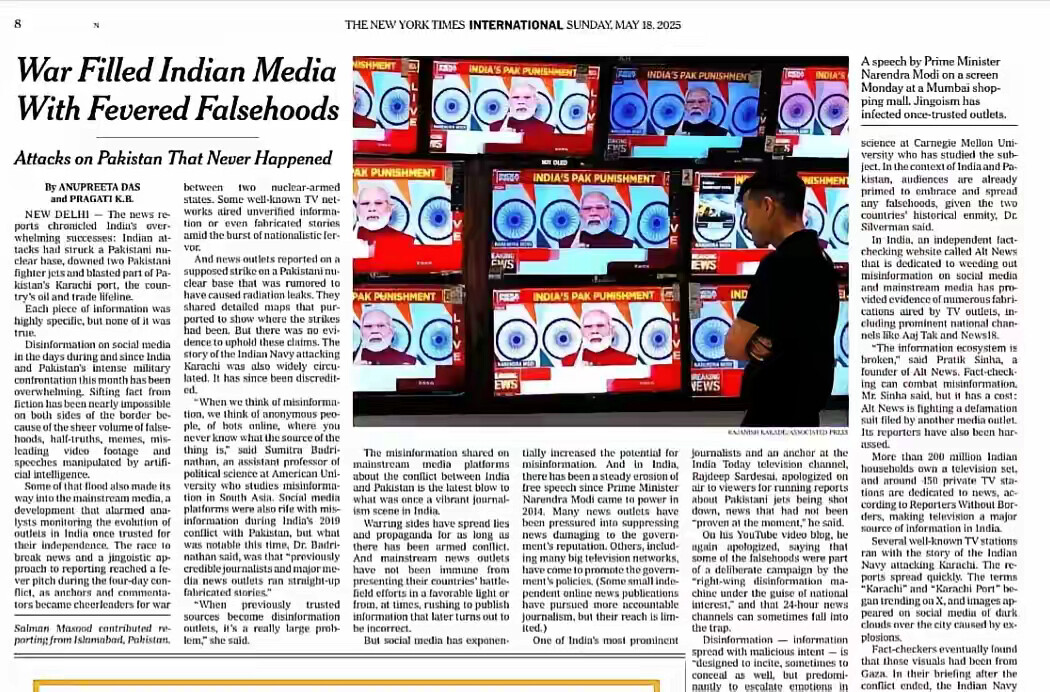
We need to note that Japan has the capability to produce gallium nitride radar, and the technology is mature. It is restricted by the US and China and cannot freely exert its technical level. India, on the other hand, is in a completely free state, but its military industry, apart from boasting and faking, cannot produce any fighter with real combat capability. India remains a backward agricultural country to this day; its fighters basically rely on imports. The so-called indigenously developed Tejas fighter has imported engines, radar, fire control systems, ejection seats, head-up displays, and more.
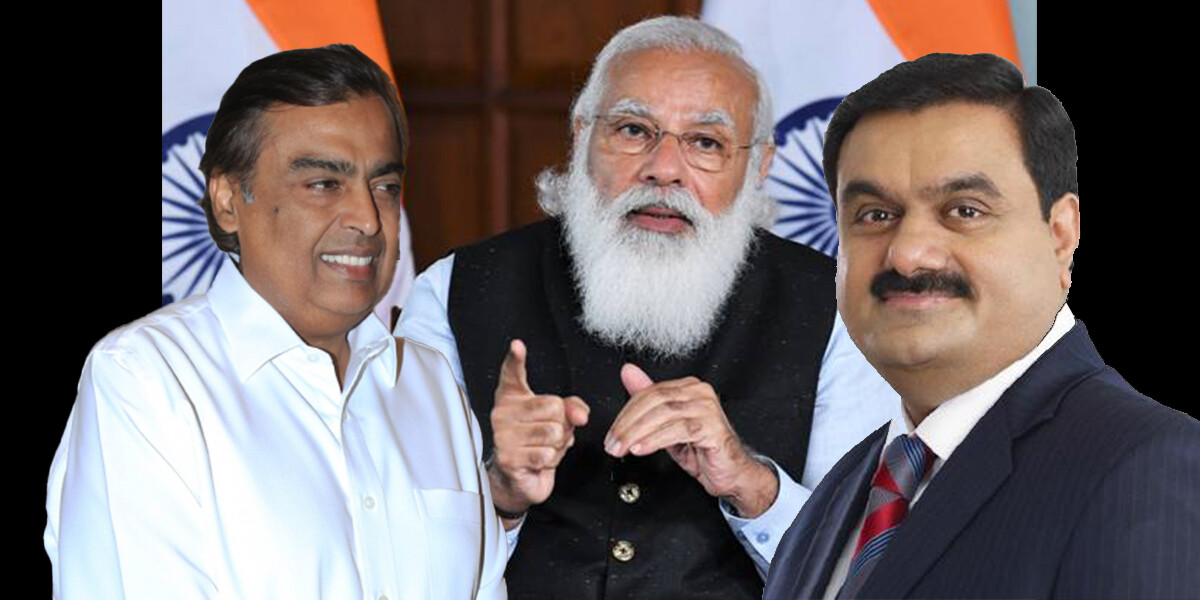
Indians bought Rafale fighters from France at three times the price of the F-35, and the French actually equipped them with gallium arsenide radar because even France has not popularized gallium nitride radar. Facing Putin’s offered Su-57 cooperation plan, the Indian military still insists on buying Rafale fighters to this day. Although it performed poorly in air combat, Modi’s big financial backer Adani and his associated companies have huge interest ties with Dassault. In the choice between national interests and private interests, Modi chose to help Adani. Because for him, whether India is strong is not important; what matters is preserving his rule. Big financial backers like Adani and Ambani are the main forces that can help him achieve rule. Air combat failure is no big deal; they can celebrate nationwide for three days, make more victory posters, and shoot a few more Bollywood movies. But if Adani goes bankrupt or Ambani stops supporting him, his prime minister position cannot be preserved, and he might even be purged by political enemies and flee overseas.
Japan is after all a developed country with beautiful environment and decent lives for people. Although it is a US colony, ordinary people’s lives are not greatly affected. In comparison, Indians are truly miserable. They frantically report to YouTube, claiming I have racial discrimination against India, causing my channel to be banned by the Indian government. These people usually live in slums, enduring severe smog in winter and 45-degree Celsius heat in summer, using third-hand Xiaomi phones to like videos where Palki Sharma announces China is about to collapse. Some even use VPN to watch my videos and criticize me in comments for envying Indian lives and not accepting India becoming a superpower.
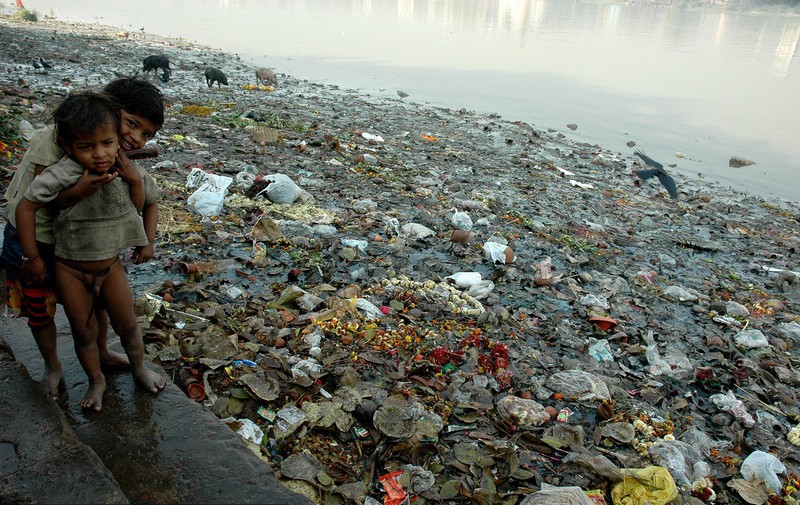
To be honest, I can accept any criticism, but saying I envy India is the biggest insult to me. If there is a next life, I would rather be a pet dog in China than go to that country where streets are full of garbage and feces, filled with stench everywhere, with severely polluted rivers, and where they persecute each other in information cocoons. I also hope Indians watch the serious analysis parts in my videos more and not just the emotional output parts.
You should understand that your military technology lags about 30 years behind Japan and more than half a century behind China and the US. Boast less in the future. Every time I see videos by clowns like Palki Sharma and Arnab Goswami, and the confident comments from Indian netizens below, I cannot help but laugh. Do you know you are very stupid? Do you not understand that even if a beggar wears high-end suits, no one will believe he is a real rich man? Guess why that is?
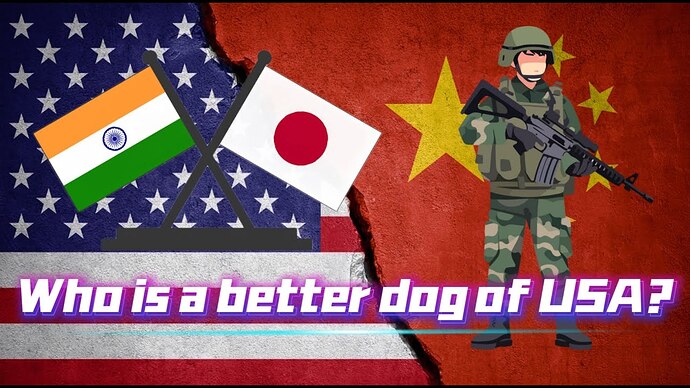
Finally, everyone is welcome to give opinions in the comments: between Japan and India, who is a better watchdog for the Americans.