The video features investor Jayant Bhandari discussing why he considers China’s economy to be highly capitalistic, efficient, and cheap, contrasting it with his perception of India, which he calls a “hellhole.”
Here is a summary of his main points:

China: High Quality, Efficient, and Cheap
-
Astonishing Efficiency: Bhandari claims China has the world’s most capitalistic economy, operating with minimal transaction costs. This efficiency makes goods and services cheaper and increasingly higher quality, often meeting German and Japanese standards.
-
Affordable Western Lifestyle: He notes that China is a rare exception in the developing world where one can get Western-quality services or better for a fraction of the price (e.g., one-third or one-fifth) compared to Western countries. He cites personal examples of extremely cheap, high-quality hotel stays, including pickup, drop-off, and buffet breakfast.
-
Culture of Improvement (Kaizen): Bhandari attributes China’s success to its people adopting the Japanese concept of Kaizen (continuous improvement). He sees the Chinese as keen learners who swiftly adopt, adapt, and institutionalize new ideas without backsliding.
-
Infrastructure and Quality: He praises the transformation of China, noting that even in tier-three cities, the quality and range of products like coffee easily surpass those in many developed countries. He also asserts that the scale and quality of domestic agriculture have improved so quickly that China now produces some of the best fruit.
-
Work Ethic: Bhandari observes a strong work ethic, citing a janitor who diligently cleaned a pole in a museum even though she didn’t have to. He believes that the system ensures that if you don’t work, you go hungry, which drives productivity.
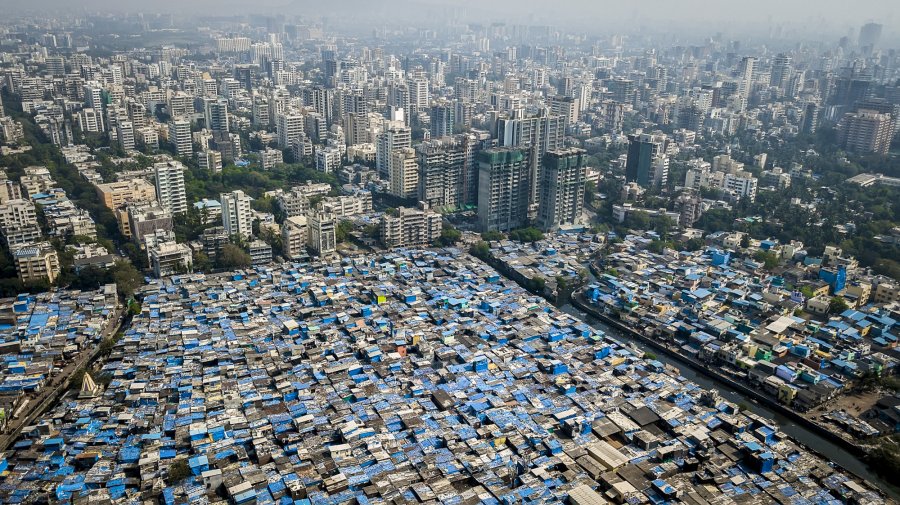
India: Pure Hell and Statistical Misjudgment
-
Focus on the Average: Bhandari, who grew up in India, argues that a society should never be judged by its highest IQ individuals (like Indian CEOs in the US) but by its average people.
-
High Cost of Western Lifestyle: Contrary to the concept of Purchasing Power Parity (PPP), he argues that maintaining a Western lifestyle in most of the developing world, including India, is actually more expensive, not cheaper.
-
Culture of Entitlement: He contrasts the Chinese work ethic with what he sees as a class of “whiners” and “entitled” people in the Western world, who always hold a victim card. He implies that India, being a more democratic and welfare-oriented state, lacks the accountability and drive he observes in China.
-
Best Education: He concludes by stating that the best education for a young person is to not have money, as it teaches one to be entrepreneurial and provide value to society—an ethic he seems to connect more closely with China’s system.