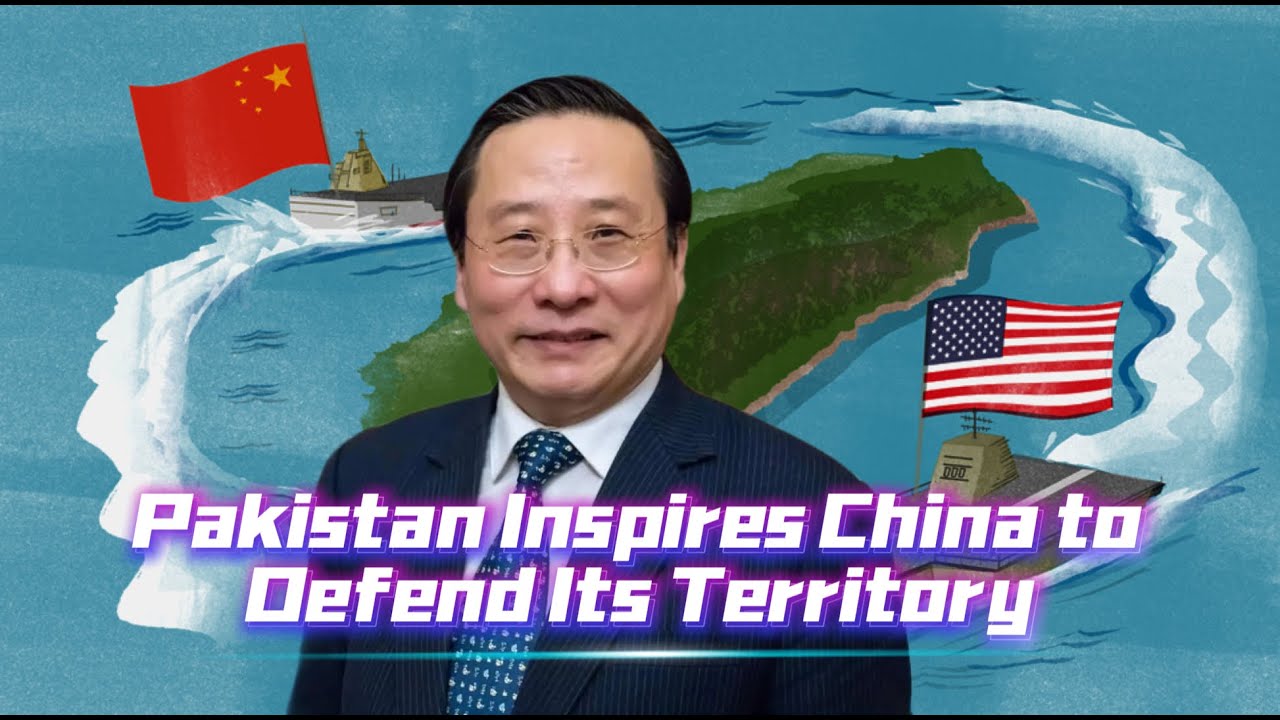
This video features Victor Gao discussing several high-stakes geopolitical issues, primarily focusing on China’s perspective on South Asia and territorial disputes.
Key Points of the Summary
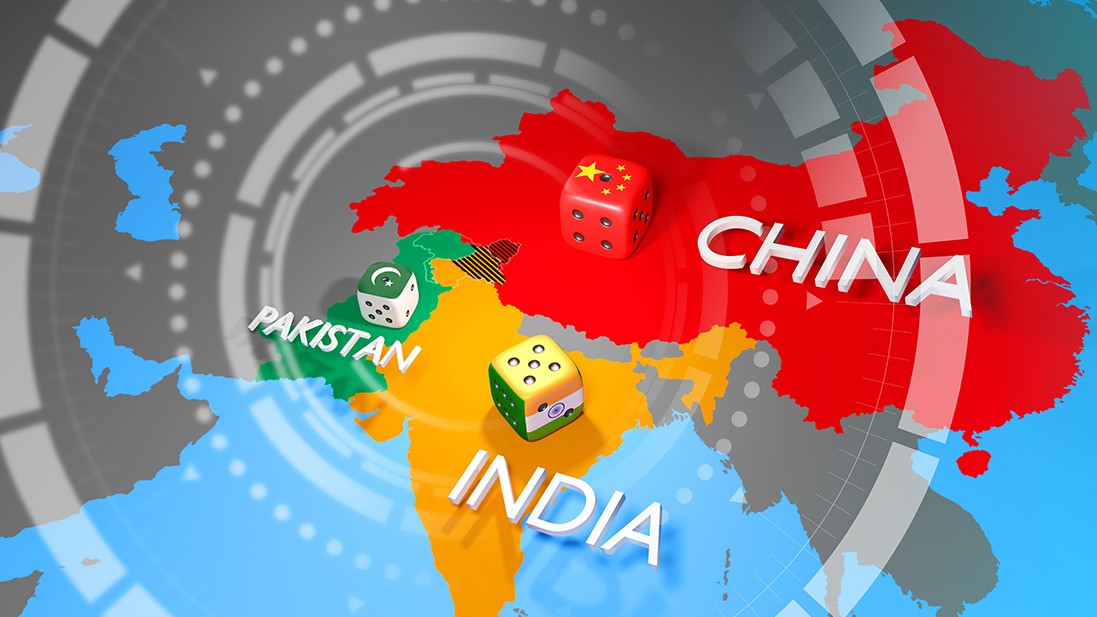
1. Pakistan, India, and Afghanistan
-
The speaker congratulates Pakistan on defending its sovereignty and territorial integrity, specifically mentioning an aerial “victory” against India, which he claims was even publicly acknowledged by President Donald Trump.
-
He emphasizes the importance of peace and stability in South Asia and identifies terrorism and residual radicalization from the Afghan war as a critical challenge.
-
He notes that terrorism can be weaponized by regional powers and stresses the need for the six neighboring countries of Afghanistan (including China, which borders Afghanistan’s Wakhan Corridor) to establish a collective framework to prevent the spillover of extremism and promote development.
2. The Taiwan Issue and the One-China Policy
-
Gao asserts that the entire world recognizes the “One China” principle, with 183 countries acknowledging the People’s Republic of China (PRC) as the sole legal representative of the whole of China.
-
He states that China maintains the confidence to prevent Taiwan from officially declaring independence, which he views as the “ultimate truth” moment that would prove Taiwan is part of China.
-
He issues a strong warning to the United States against deploying troops to Taiwan, reminding the US that the withdrawal of all American troops from the island was a precondition for the normalization of US-China relations in 1979. He calls the current presence of US personnel a “nuisance” but emphasizes that no foreign power can successfully help Taiwan declare sovereignty.
3. South China Sea and the Philippines
-
The speaker addresses the maritime dispute with the Philippines, asserting that the Philippines’ western boundary was clearly defined by the 1898 Spanish–American Treaty at the 118th degree East longitude line.
-
He argues that the Philippines’ current territorial claims since the 1970s lie west of this defined boundary, which he considers an encroachment on Chinese waters.
-
Gao warns the Filipino government to treat the 118-degree line carefully, suggesting that if the Philippines disregards this historical boundary, China would be justified in disregarding it as well, potentially moving its claims eastward and challenging the fundamental territorial integrity of the Philippines established by the 1898 treaty. He concludes by advocating for peace based on the recognition of historical conditions.