DeepSeek has released V3.2 without much fanfare, yet it has earned widespread praise in the tech community simply by matching the top-tier performance of GPT-5 and Gemini 3. Since this channel focuses more on current affairs and politics, I will skip the detailed technical breakdown. As a programmer and heavy AI user, I have to say that DeepSeek’s Chinese writing ability has always been far ahead of the competition. When I write scripts, unless I do it completely by hand, I usually let DeepSeek create the draft in Chinese first, then have Grok translate it into English. Lately, however, I have been frustrated because Grok has become dumber; my constraint prompts often fail, wasting a lot of my time.
I mention this detail because DeepSeek is the only AI that can take nothing more than an outline from me and produce an article that needs almost no revision. It accurately captures my writing style from sample texts and chooses the perfect wording. In my real-world tests, my viewers literally cannot tell which video scripts I wrote myself and which were written by AI. This frees me to focus my main energy on creativity and editing, while AI handles nearly everything else. This capability is unique; neither GPT nor Grok can do it. Gemini, despite all the hype, is absurdly bad at this task.

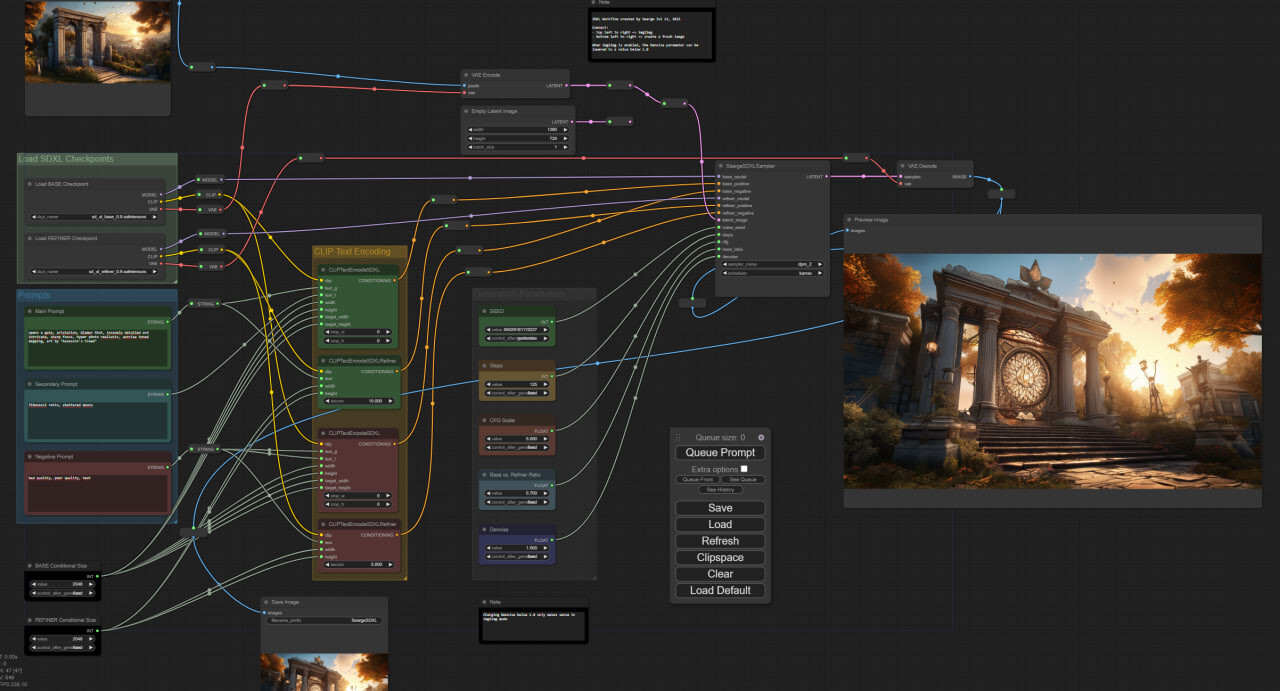
Many people wonder why DeepSeek does not develop multimodal features such as text-to-image or video generation. My answer is simple: let professionals handle professional tools instead of trying to be a jack-of-all-trades. China already has excellent multimodal AIs like Keling and Doubao. DeepSeek primarily serves as infrastructure for government agencies, banks, and large enterprises, so it has no need to bother with multimodal capabilities. From a practical standpoint, typing a prompt to generate one picture or a few seconds of video adds very little value. The productivity gain is negligible, yet it burns massive amounts of computing power. Truly efficient image generation still belongs to workflows built around Stable Diffusion combined with ComfyUI, LoRA, ControlNet, and similar tools. As for video generation, once the time dimension is extended, the computational workload grows exponentially. Without changing the underlying algorithms, the electricity bill alone becomes unaffordable, not to mention the cost of expensive chips.
My programmer nature made me unable to resist sharing some technical thoughts, but now let us return to political analysis.
It has been a full year since DeepSeek exploded onto the scene. During this time, its team never received the epic compute upgrades that OpenAI, Google, xAI, Anthropic, and Meta enjoyed in the US. It never held flashy launch events; usually just one tweet plus a bunch of online open-source documents and download links. Even so, American tech giants have failed to pull away technically, and on efficiency they are far behind. DeepSeek’s open-source and low-cost nature means companies and developers in other countries have no reason to pay for expensive American AI services. That is the real pain point for the United States. Silicon Valley burns hundreds of billions of dollars every year on an AI arms race, while the Chinese accompany the race at a tiny fraction of the cost. Yes, the US leads by a little, but as Jensen Huang said, only by a few nanoseconds. The US cannot afford a single mistake or to lose its lead, so it must keep buying more Nvidia chips and consuming more electricity to maintain ever-larger data centers.
In the field of electric power, China not only generates far more electricity than the US, it is also building far more power plants, with lower electricity costs and a more modern, reliable, and efficient grid. The United States is forced to upgrade its power system to keep up with the AI arms race. Yet after pouring in all that money, if the resulting AI services are only used to generate pictures for entertainment, how will the costs ever be recovered?
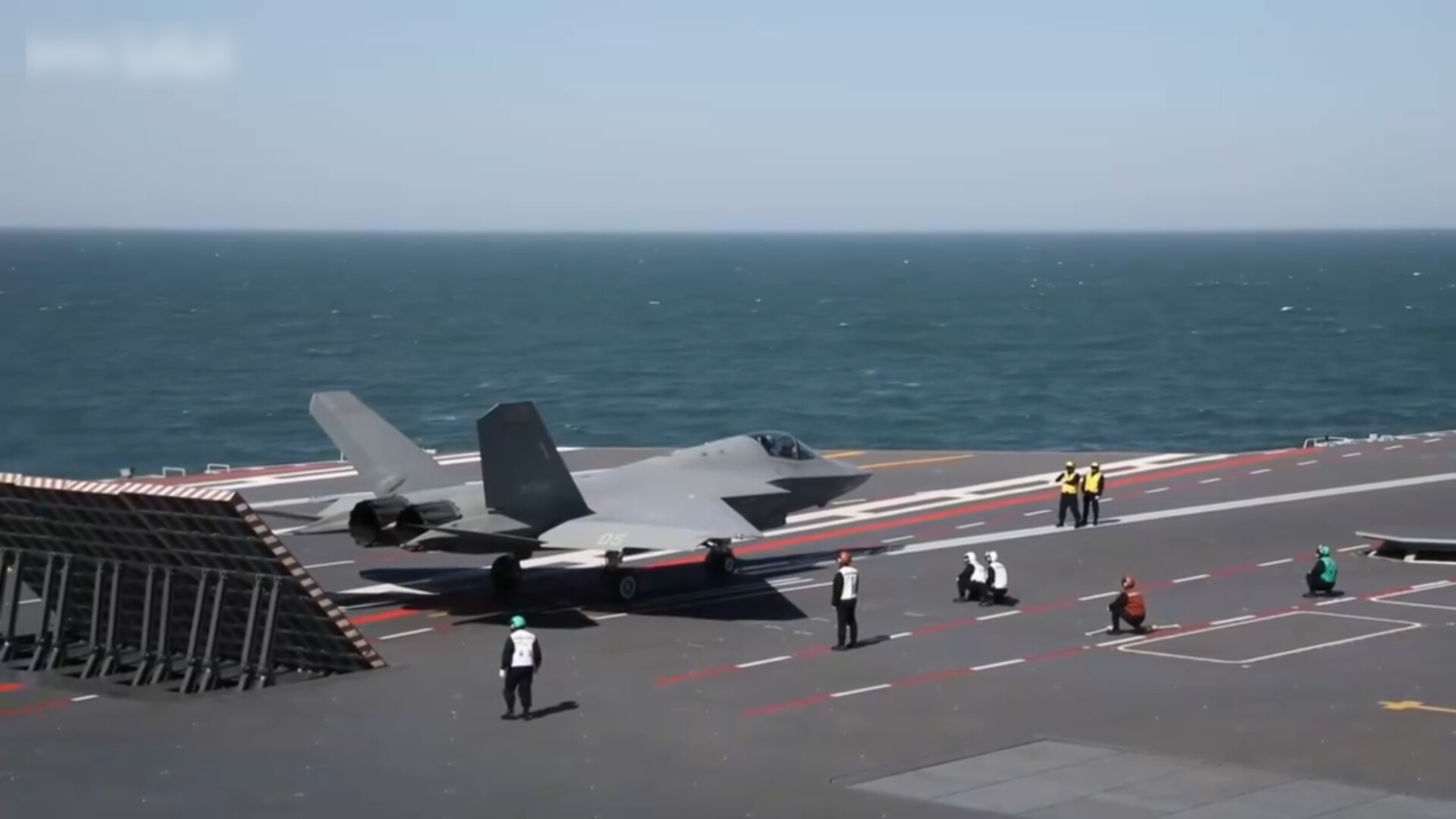
The technology and trade war between China and the United States has dragged on for years and must reach a decisive outcome. What China excels at is industrial production: supplying solar panels, batteries, electric vehicles, drones, ships, electronics, toys, and all the daily necessities and means of production the world needs. What the United States excels at is high-end chips and large AI models. The greatest significance of high-end chips is to train ever-larger and smarter models. But that path is now blocked. Ahead lies a solid wall, and the Americans cannot find the door. The Chinese have not found it either, but time is on China’s side. Chinese technological progress is continuously poured into industrial production, creating more high-quality, low-cost goods and generating real wealth. This industrial capability is also being converted into military advantage. China not only uses electromagnetic catapults on its aircraft carriers but has already launched fifth-generation fighters from them ahead of the United States. Chinese technology is more mature; the second carrier equipped with electromagnetic catapults, the Sichuan, is already undergoing sea trials and can also launch the J35 stealth fighter. Multiple Chinese sixth-generation fighter prototypes have already made successful test flights. American technological superiority has vanished.
The United States once built its tech moat against China through operating systems, productivity software, high-end chips, and large AI models. Today those moats lie in ruins. China has its own HarmonyOS operating system with a rich software ecosystem. Huawei computers and phones running purely domestic chips sell very well. DeepSeek, Qwen, Doubao, Keling, and other Chinese AIs are widely used domestically and are going global. When Nvidia’s market cap surpassed the combined GDP of all ASEAN countries, Americans could indulge in ecstatic celebration. But once the excitement fades, they must face reality: what exactly has American AI produced? Who will ultimately pay for this bubble that already exceeds 10 trillion dollars? If DeepSeek releases a fully domestic-technology AI model by the end of this year or next year that matches or surpasses American models in performance, can this tech bubble continue to inflate?
As a half-baked tech practitioner, I hope the United States and China compete fully and keep releasing AI products that genuinely improve productivity. Over the past year and more, I have tried almost every major model available, testing programming, image generation, video generation, and every free or paid service. I can say responsibly that most of them are garbage and scams; apart from wasting your time and energy, they deliver no real value. Of course, I have indeed built highly efficient workflows using AI voice, script writing, subtitles, and similar functions, but these capabilities have shown zero progress over the past year. On the contrary, as I mentioned at the beginning, many large models have actually become dumber, to the point of disrupting my workflow.
2025 is almost over. Are you panicking that AI will take your job and leave you unemployed, or are you calmly ignoring this technological revolution entirely? Feel free to share your thoughts in the comments.