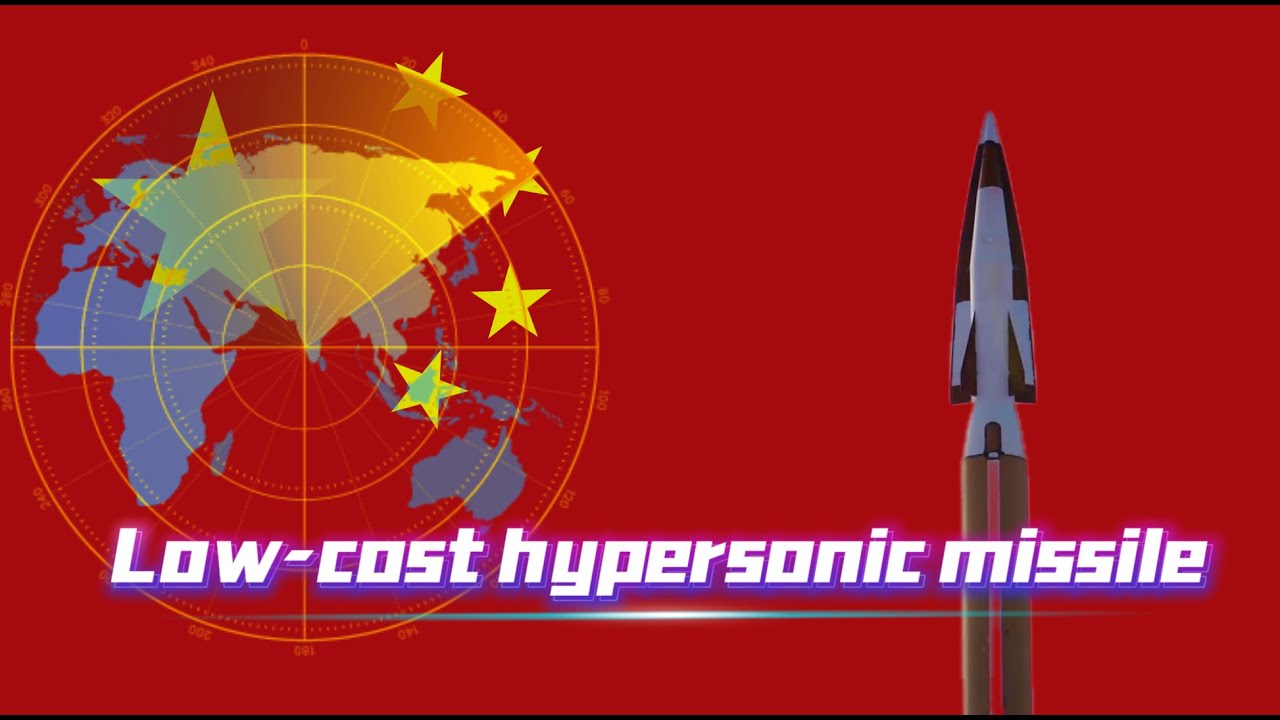
The YKJ-1000 is a newly unveiled Chinese hypersonic glide missile developed by the private aerospace company Lingkong Tianxing Technology. It has garnered international attention primarily due to its claimed high performance paired with an unusually low production cost.
Key Specifications and Features:
-
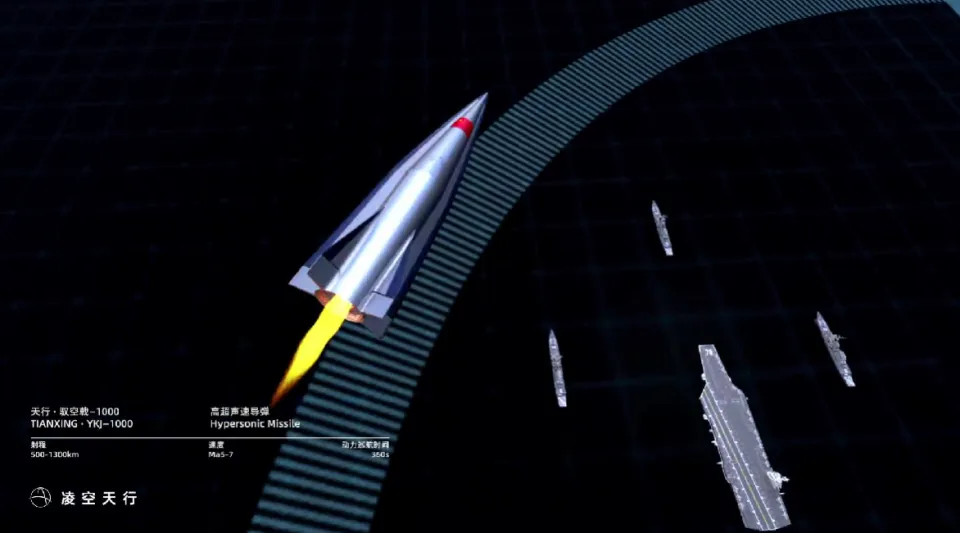
Type: Hypersonic Glide Missile (Boost-glide design).
-
Speed: Maximum speed of Mach 7 (up to seven times the speed of sound).
-
Range: Maximum range of up to 1,300 kilometers (800 miles).
-
Guidance: Equipped with an autonomous guidance system, automatic target identification, and terminal maneuverability to evade interception.
-
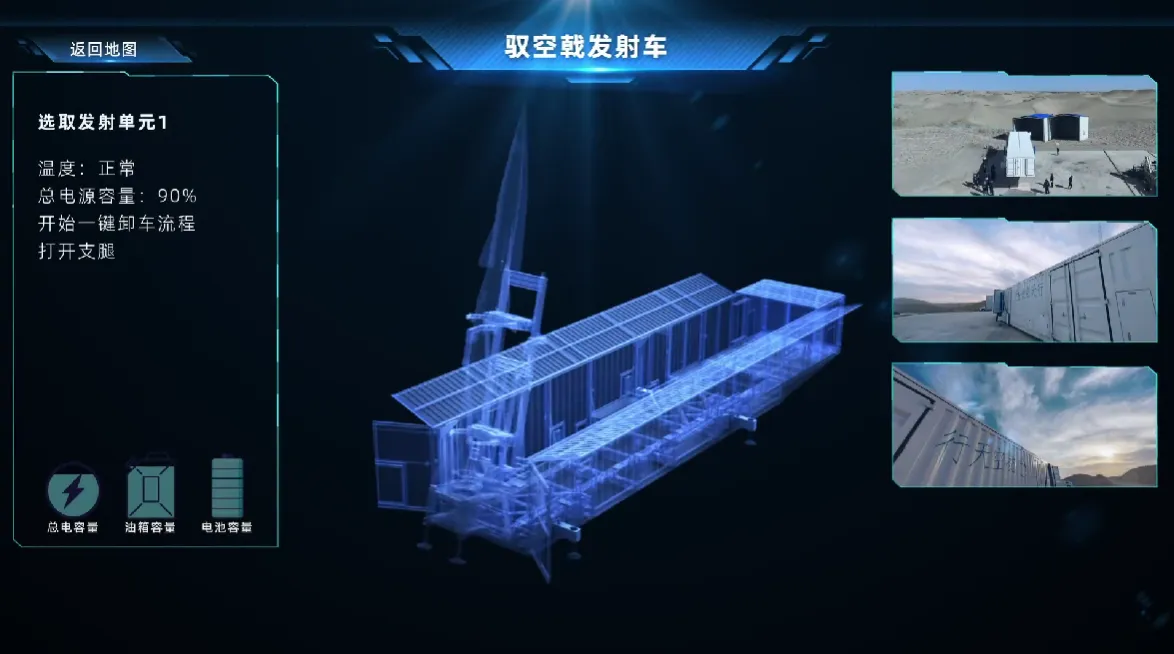
Deployment: Can be launched from containerized ground-based mobile launchers, making it highly mobile and concealable.
-
Status: The developer claims the baseline version has entered mass production following successful combat tests.
The Low-Cost Factor (The “Cement-Coated” Missile):
The most significant and debated feature of the YKJ-1000 is its drastically reduced cost.
-
Estimated Price: The unit production cost is widely reported to be as low as $99,000 USD (approximately 700,000 yuan).
-
Cost Reduction: This low price is attributed to a strategic shift toward utilizing China’s vast civilian industrial capacity and commercial supply chains, including:
-
Using civilian-grade materials like foamed concrete in the heat-resistant coating (earning it the nickname “cement-coated” missile).
-
Manufacturing structural components using die-casting technology, common in the auto industry.
-
Employing commercial off-the-shelf components like Beidou positioning chips used in civilian drones.
-
- Strategic Impact: The low cost is seen as a potential game-changer in global defense, as one YKJ-1000 costs a small fraction of modern interceptor missiles (which can cost $4 million to $15 million each). This price disparity makes the concept of “hypersonic carpet-bombing” or using salvos to saturate and overwhelm expensive defense systems much more feasible.
Wider Implications:
-
Market Challenge: Analysts suggest the low-cost, long-range weapon could become a “hot commodity” on the international defense market, empowering smaller nations to pose a significant threat to advanced naval fleets and U.S. interests.
-
Industrial Shift: The missile is cited as evidence of a systemic transformation in China, integrating national defense technology with broader societal industrial capabilities to produce advanced weapons cheaply and quickly.