
This video features economist Jeffrey Sachs discussing his country-by-country economic forecasts, specifically focusing on the concept of conditional economic convergence and the primary driver of exceptional growth: the quality of education.
Key Takeaways:
-
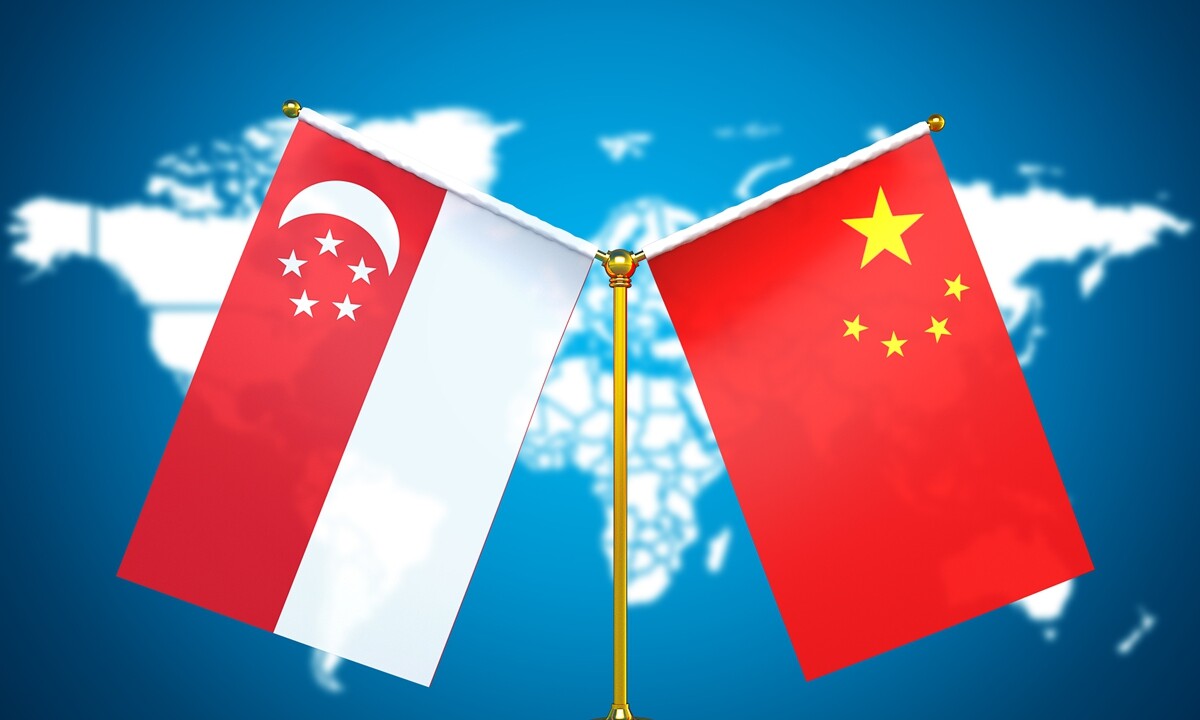
Conditional Convergence: Sachs explains that while the general theory of economic convergence suggests poorer countries will catch up to richer ones, this is conditional on proper economic management. He notes that some countries, like China and Singapore, outperformed his expectations, while others like Indonesia, Malaysia, Thailand, and the Philippines underperformed.
-
Singapore’s Exceptionalism: Singapore is highlighted as an extraordinary success story that defied the typical convergence curve, becoming richer than the United States in per capita terms. Sachs credits this to its status as an “extraordinarily well-managed economy and well-managed society,” describing its governance as “very serious, very careful, very well thought out, very much planned, very technocratic.”
-
China’s Success: China is recognized as the unique and great success story of economic history, having achieved over 40 years of rapid development, with per capita growth averaging more than 7% annually during a 30-year period. Sachs attributes this to being an “exceptionally well governed country.”
-
The Critical Role of Education: Sachs posits that the single biggest difference between over-performing and under-performing countries is the quality of education. He provides data from the OECD’s Programme for International Student Assessment (PISA) for 2022, noting the high rankings:
-
Singapore is number one globally in math, reading, and science scores for 15-year-olds.
-
China (specifically the three region grouping of Tianjin, Beijing, and Shanghai) ranks number two.
-
Taiwan, Hong Kong, Japan, and Korea fill out the rest of the top six.
-
He notes that the US and Europe rank much farther down the list.
-
-
Advice for Development: His favorite advice for development is to “invest in education, in quality of education,” calling it the number one investment for any society.
-
Future Global Forecast: Looking forward, Sachs predicts that the broad idea of economic convergence will continue, meaning the emerging and developing economies will, as a group, grow two to three percentage points faster than the so-called advanced economies. He expects the United States and the European Union to be the slow-growing markets of the world, with Europe potentially remaining stagnant for years due to poor economic management, and the US growing at a moderate 1% to 2% per year.