
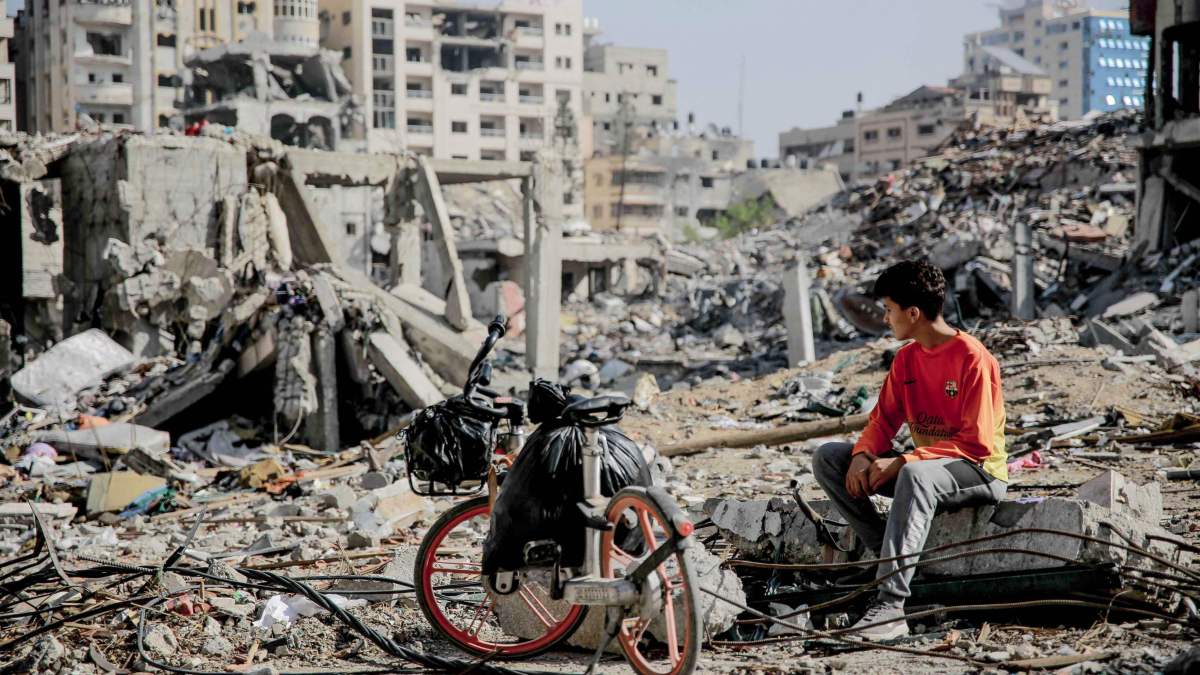
This video features a 16-year-old boy named Joseph from Gaza, who reflects on his life before the war, his current hardships, and the philosophical struggles of living through the conflict.
Life Before the War
-
Daily Routine: Before October 7th, his life was structured around religious commitment, school, fitness, and work. He would wake up around 3 or 4 a.m. to create three short Islamic-themed videos for his YouTube channel.
-
School and Fitness: He attended school, which required an hour-long commute each way. After returning home around 3 p.m., he would do homework and spend time at the gym by 5 p.m.
-
Freelance Work: In the evenings, he worked as a freelance video editor for YouTubers, earning about $200 a month, which he considered a good side hustle for a 14-year-old.
Current Hardships and Reflection
-
Loss of Normalcy: The war forced him to stop his freelance work. He feels that his previous focus on video editing skills was God preparing him to be a content creator during this time.
-
Mental State: While he tries to appear hopeful in his videos, he admits to feeling “mentally stuck” and depressed, unable to progress in life. He finds strength in the Quran, specifically the verse stating that “with hardship will come ease.”
-
Dystopian Reality: He describes his current life as “dystopian.” For example, he mentions having no access to a single drop of clean water at his house, a reality that seems normal to him but would be shocking to viewers in comfortable countries.
-
A Call for Empathy: He states that he, like millions of others in Gaza, has become used to suffering, and it is “sickening” that they are forced to endure this.
Addressing Critics
- “Traitor” Label: Joseph confronts people who call him a “traitor” for wanting to leave Gaza and seek a normal life. He challenges their right to judge him while they sit in comfort, asking if Palestinians are “meant to die” and if their lives are only valuable when they are “seen dead on a TV.” He insists that all human lives are equal and wishes that his critics would experience his suffering so they would “shut your mouth.”