Many netizens in the comment section claim the Indian rupee has collapsed, so let me discuss it. Honestly, such a description is inaccurate. The Indian rupee has indeed depreciated by more than half since Modi took power, and demonetization further accelerated the depreciation trend. However, a 50% depreciation is nothing compared to countries like Zimbabwe, Argentina, and Iran. The biggest problem with the Indian rupee lies not in its exchange rate but in its credibility; it can hardly sell any valuable goods internationally. Argentina has beef, soybeans, and other agricultural products; Iran has oil and natural gas. Even if their currencies become worthless, they can still reach trade agreements with major buyers like China through barter or local currency swaps. As for India, apart from curry and cow dung, I cannot imagine what China would purchase from it. The same applies to other countries. Although India’s rice sells decently on the international market, let us not forget that a country where hundreds of millions go hungry exporting grain seriously tramples on the bottom line of human morality. Only the shameless Indian government dares to do this. Such trade remains small in scale and immoral. Western politicians always fixate on Xinjiang’s mechanically harvested cotton, accusing China of forced labor in Xinjiang, yet they consistently ignore the tears of countless hungry people behind India’s rice exports.
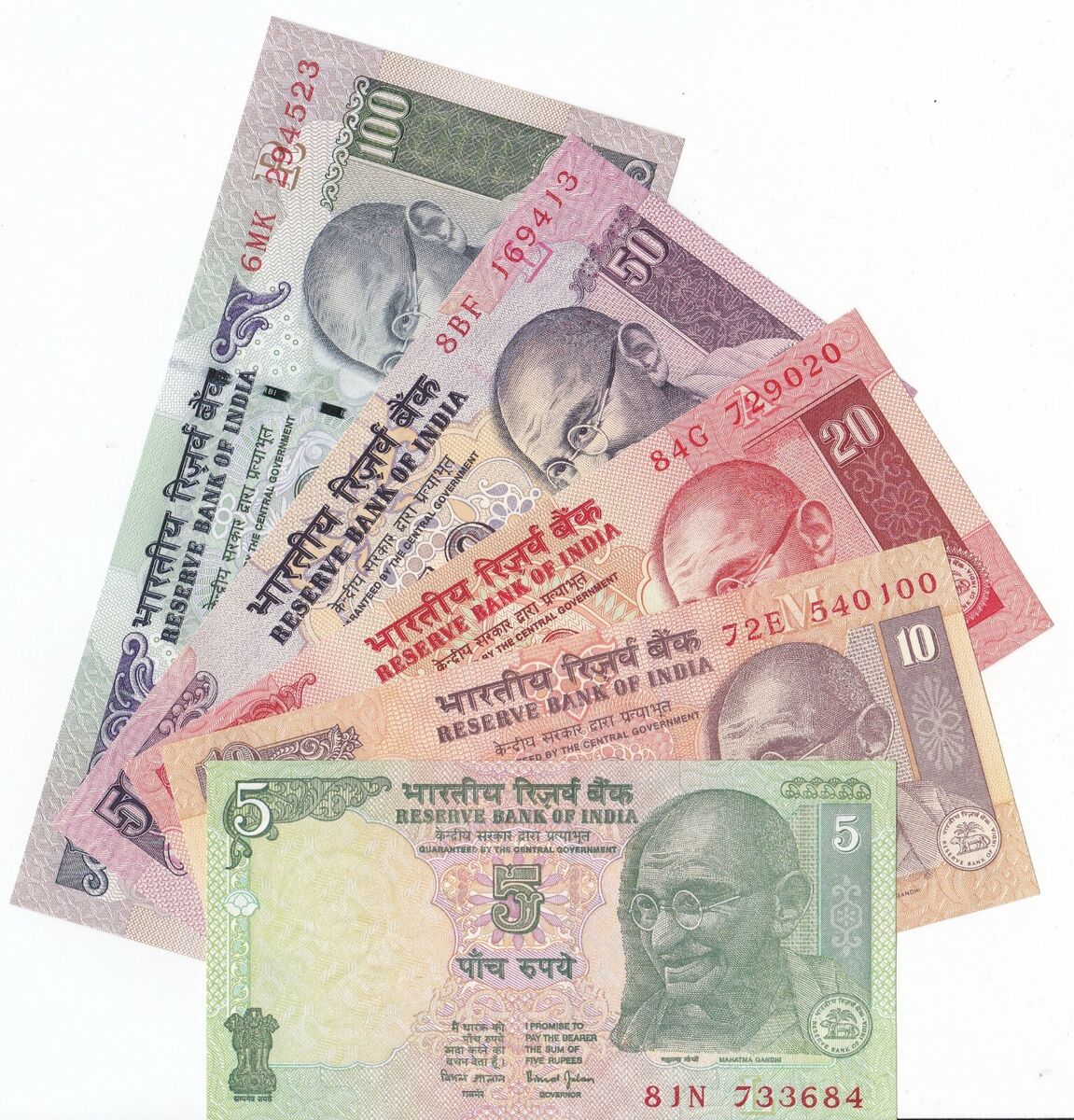
Here is a fact that will upset Indians: Russia demands India pay for Russian oil and gas resources in renminbi because the rupees they previously received simply cannot be spent anywhere internationally; nobody wants them. India has accepted this demand, but India runs a severe trade deficit with China, so it cannot earn renminbi from China and must exchange dollars, euros, or other foreign reserves instead. If India wants to conduct local currency swaps with China, it needs to find goods that China is willing to purchase. Due to India’s lack of such goods or resources, coupled with the absence of basic trust between the two countries, progress remains difficult. Unless India sacrifices economic sovereignty to integrate into the renminbi payment system as a condition, it can only use dollars, euros, or other foreign exchange to obtain renminbi.
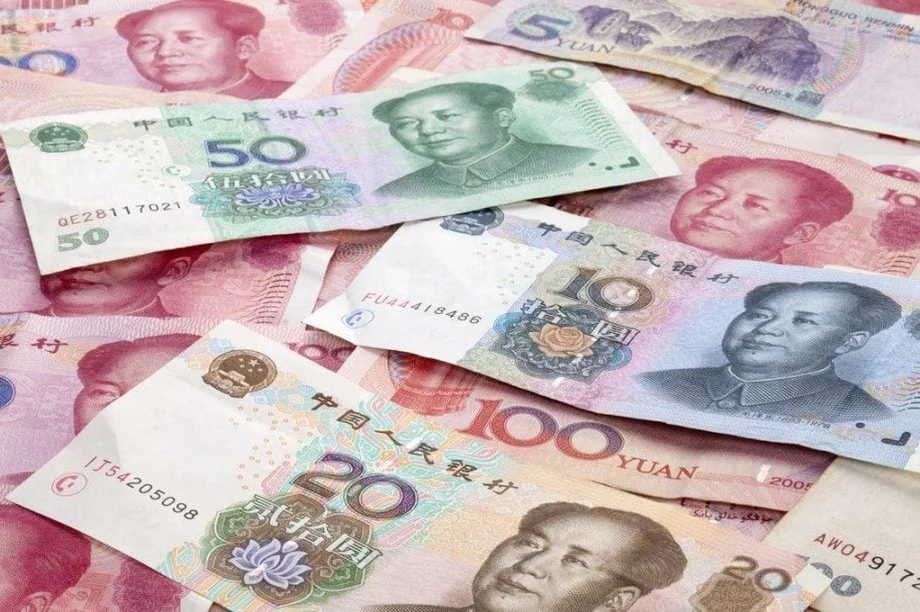
Domestic resource scarcity is one reason for the low value of the Indian rupee, but a more important factor is that India is a country with zero international credibility; its government credibility ranks at the global bottom. Almost every foreign company investing in India gets extorted by the Indian government, turning India into a graveyard for foreign capital. This year FDI has dropped sharply. Moreover, the Indian government’s track record of fulfilling loans from institutions like the IMF and the Asian Infrastructure Investment Bank is very poor. This plants a massive pit for India’s debt crisis because no international institution dares to lend to India easily, and even if they do, they demand higher interest rates to hedge risks.
Currently, the Indian government’s debt has reached the edge of losing control; in 2025 about 40% of revenue goes to interest payments. These enormous debts mainly stem from large infrastructure projects led by the Modi government, yet due to severe corruption, these projects lack unified planning, and shoddy constructions emerge endlessly. Money gets poured in but fails to effectively improve India’s logistics efficiency or reduce costs, instead saddling the government with severe debt. India’s foreign exchange reserves remain decent, exceeding 600 billion dollars, but this money must cover tariff wars, purchase arms, pay various maturing debts, and handle regular international trade payments, obviously leaving it strapped for cash. Due to the Indian government’s poor credibility, stabilizing the rupee exchange rate requires maintaining strong foreign reserves, which further restricts India’s payment capacity in international markets.
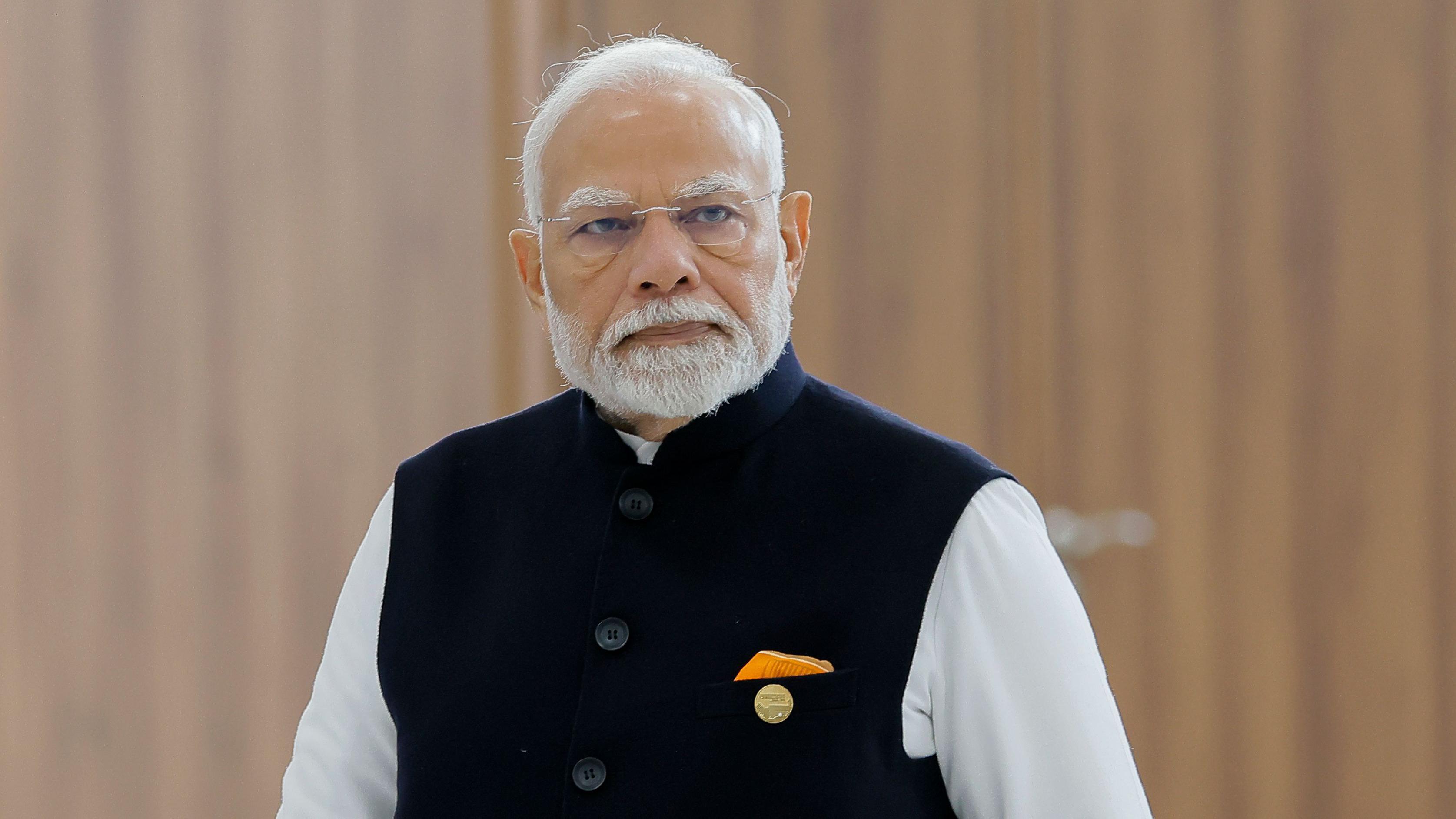
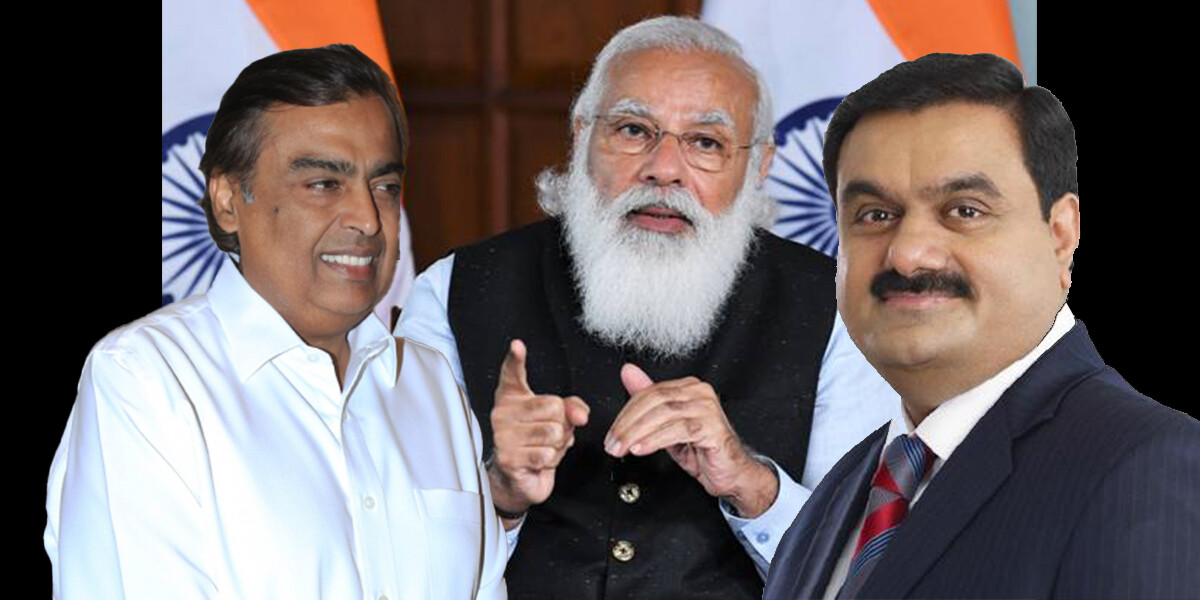
Even under such circumstances, the Modi government still had LIC, the national life insurance company, invest 39 billion dollars to bail out the Adani Group. This is not the first time Modi has used administrative power to help Adani with financing or profit. Modi and Adani both rose from Gujarat state, their interests deeply intertwined and indistinguishable. Additionally, Modi’s relationship with India’s other top tycoon, the Ambani family, is extremely close. The contributions Modi has made to India through his political career pale in comparison to what he has done for Adani and Ambani. Yet these two tycoons are very generous, donating massive funds to Modi and the BJP and investing various resources to consolidate votes for Modi.
US courts have indicted Adani, accusing him of massive bribery and planning investigations and sanctions against the Adani Group; this is the reason for Adani’s crisis. Relying on the Adani Group alone to fight the US government offers zero chance of resistance. To protect Adani, the Modi government inevitably ties its own hands in negotiations with the US. US intelligence agencies hold massive evidence of collusion between Modi and Adani; if Modi dares to turn against the US, Americans will truly dare to leak this material to Modi’s opponents, which would spell disaster for Modi and the BJP.
Thus we witness the most bizarre political performance in human history: Modi, who rose by hyping India as a superpower, gets humiliated multiple times by US President Trump in international settings, confirming India’s crushing defeat by Pakistan in air battles with losses of 5 to 8 fighter jets. The finance minister in charge of trade negotiations, Scott Bessent, displays arrogance and disdain toward India, publicly stating in interviews that India is unimportant and not a major global player. This contrasts sharply with his emotional meltdown when facing Chinese negotiator Li Chenggang, accusing the other side of bullying. In other words, Bessent is a very mild person; unlike thugs like Vance, Rubio, and Hegseth, he basically does not publicly humiliate a country unless it is India.
Facing US humiliation, Modi has yet to respond directly, instead scurrying to Tianjin to kiss Xi Jinping’s ass, temporarily avoiding further humiliation from China and exchanging for China to suspend rare earth sanctions and industrial raw material export bans. Yet Trump refuses to let India off, reaching a truce with China after meeting Xi. But toward India, he keeps repeating the boring fighter jet loss narrative, even though global media no longer cares how many India lost because they have mocked India several rounds already, completing technical analyses until audiences are numb.
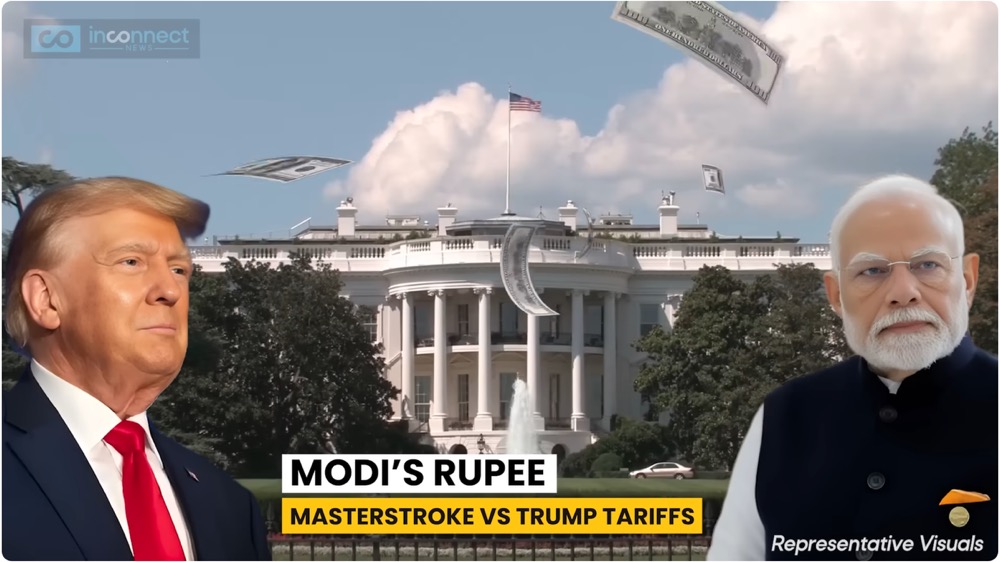
With national strength and credibility both severely lacking, Modi still repeatedly boasts about internationalizing the rupee, wanting to emulate China and others in local currency transactions or swaps, which is indeed laughable. Perhaps India can first experiment with local currency swaps with Zimbabwe since neither can buy anything on the international market. India can export curry and swap for potatoes from Zimbabwe.
Actually, compared to the rupee exchange rate issue, I think Indians should focus more on basic matters: build more toilets, clean up the environment, work honestly, and live with more dignity than animals. At the same time, they must supervise each other, completely cure the vices of lying and scamming, abandon the culture of mutual harm and oppression, and start now; it is not too late. After all, it is never too late to mend one’s ways. Although if India reforms, my channel will lose a lot of material and may even have to shut down, I still hope India can become a normal country and fill the moral low ground of humanity.