The following is an English outline of the video, “BBC Praises China’s EV Industry: ‘China Lives in the Future’ After US Funding Ends!”
-
I. China: The Present of Electric Vehicles (EVs)
-
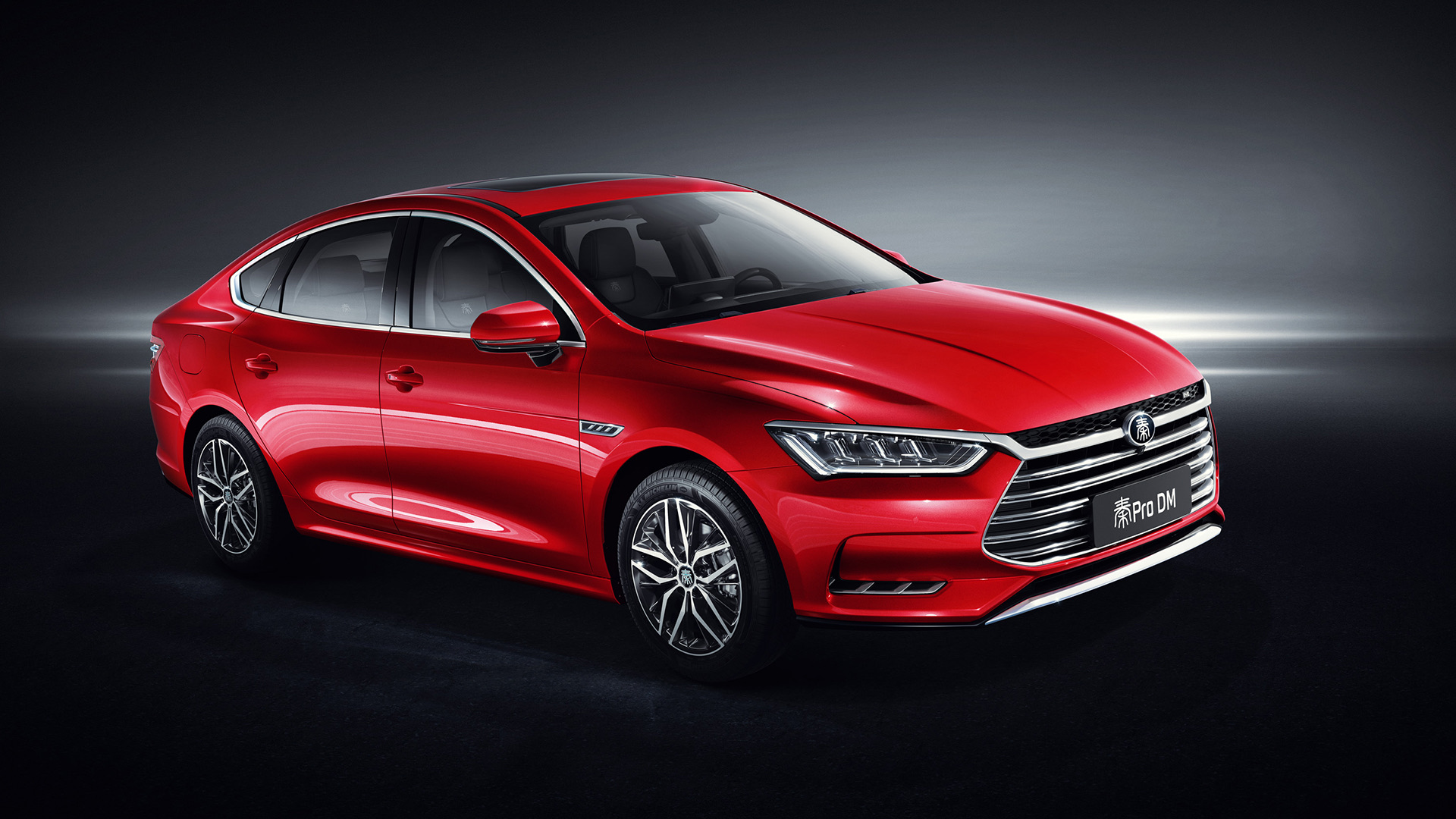
Arrival of the Future: The video highlights cities like Guangzhou, historically an industrial center, that have transformed into a “sea of green number plates,” symbolizing the arrival of the EV future in China.
-
Engine of Growth: China has become the world’s leading nation in electric vehicles, transforming from a former “nation of bicycles.”
-
Government Role: This dominance is attributed to heavy government subsidies and assistance provided to everyone in the supply chain, from car buyers and builders to electricity providers and battery assemblers.
-
-
II. Domestic Innovation and Consumer Focus
-
Startup Competition: Government funding led to a boom of “Silicon Valley-type startups,” with only the most competitive surviving.
-
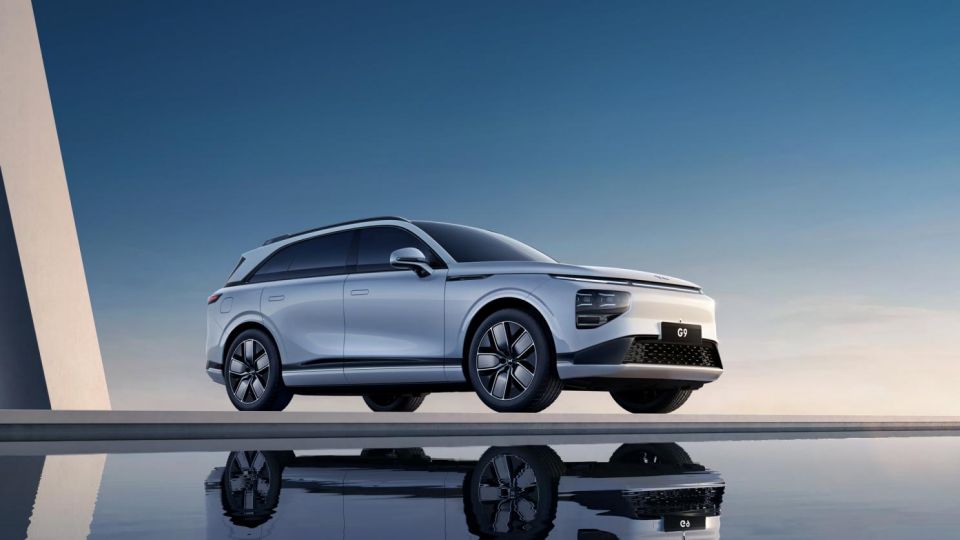
Xpeng Case Study (Guangzhou):
-
Xpeng, barely a decade old, is already a top 10 global EV producer.
-
Customer Tailoring: Its models target young buyers who prioritize modern features and mod cons over the traditional social status of Western brands.
-
Advanced Features: Cars come standard with large 15.6-inch screens, 18-speaker sound systems, and heated/ventilated seats (features usually found in luxury models).
-
Self-Driving Capability: The company demonstrates genuinely impressive self-driving technology, including autonomous maneuvering and safely reacting to a car driving the wrong way on a highway.
-
Affordability: Models are being sold for around $20,000.
-
-
International Ambition: Chinese brands like Xpeng are expanding globally, selling well in Europe and the UK, and challenging the old stigma attached to Chinese-made products.
III. Technological Breakthrough: Battery Swapping
-
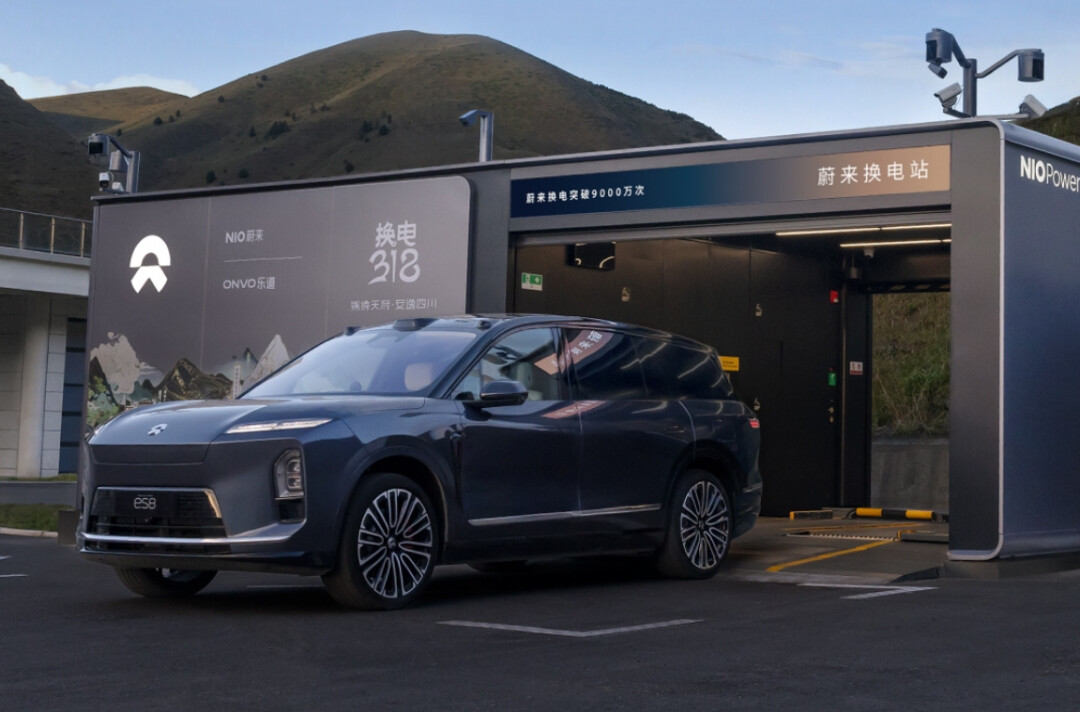
Nio’s Innovation (Shanghai): The video showcases Nio’s battery swapping stations, a key Chinese innovation.
-
Speed and Automation: Automated machines replace a depleted battery in about 3 to 3.5 minutes, which is faster than filling a gas tank.
-
Seamless Process: The system is fully automated, allowing the driver to set a destination, be allocated a new battery, and have the car self-park and initiate the swap without human intervention.
-
Luxury as Mainstream: China has succeeded in making state-of-the-art technology and luxury features accessible at a price point comparable to a full tank of fuel.
-
-
IV. Global Impact and Western Reaction
-
Chinese Ambition: China is looking toward a future where it manufactures virtually every car for the world.
-
Climate vs. Politics: While this EV dominance could be seen as positive for global climate targets, Western countries are “worried.”
-
Protectionist Measures: The West is reacting by imposing tariffs on Chinese-made EVs in a desperate attempt to catch up in the green technology race.
-
The New Game: The video concludes that China has already “changed the game,” establishing a dominant, innovative position in the global EV market.
-