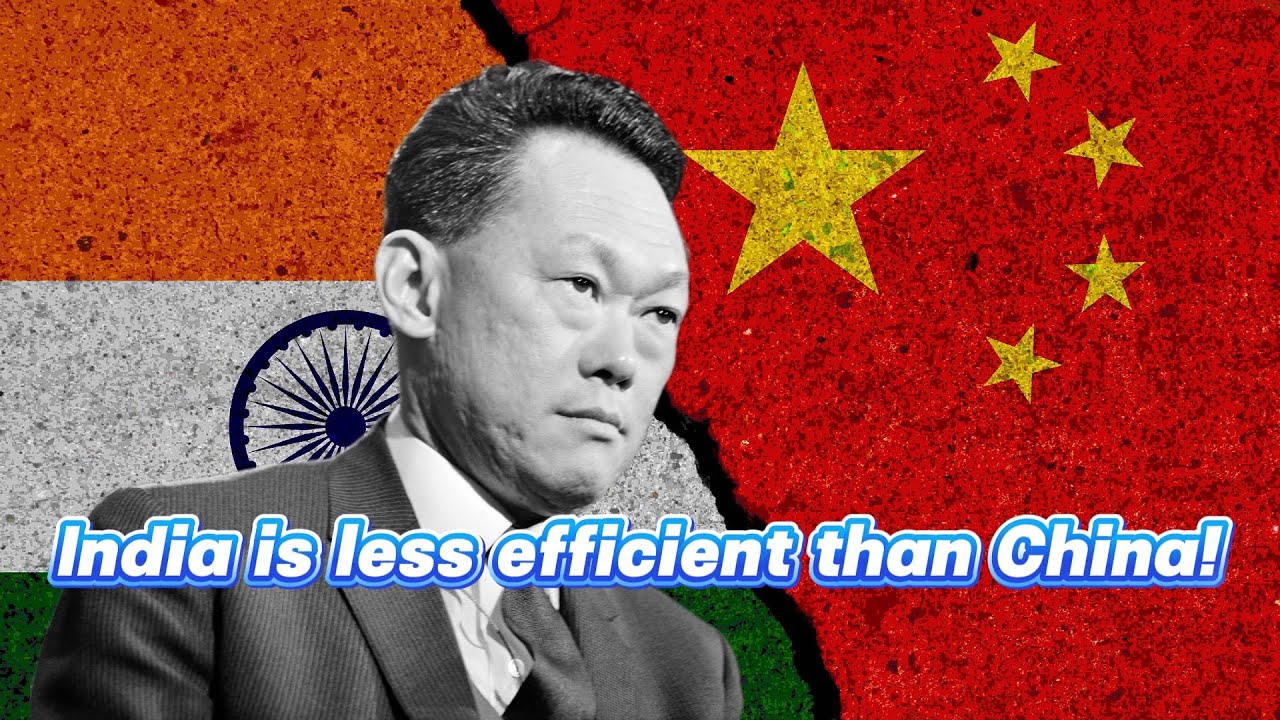
The video features Lee Kuan Yew, in response to a question from a student of Indian origin, discussing his assessment of India’s development trajectory, political constraints, and governance issues.
I. Progress Despite Constraints
-
Positive Outlook: Despite significant failings, India has achieved remarkable progress, with 6-8% growth, especially after the economy was opened up in the 1990s.
-
The Failings: Lee Kuan Yew identifies several ongoing issues:
-
Highly bureaucratic red tape.
-
Inefficient linkages between central and state governments.
-
Unwieldy coalitions in the center and the states.
-
II. The Constraint of Diversity
-
China vs. India (Homogeneity vs. Diversity): China is 90% Han and largely homogeneous, making it easier for the leadership’s message and policies to reach the majority of the population.
-
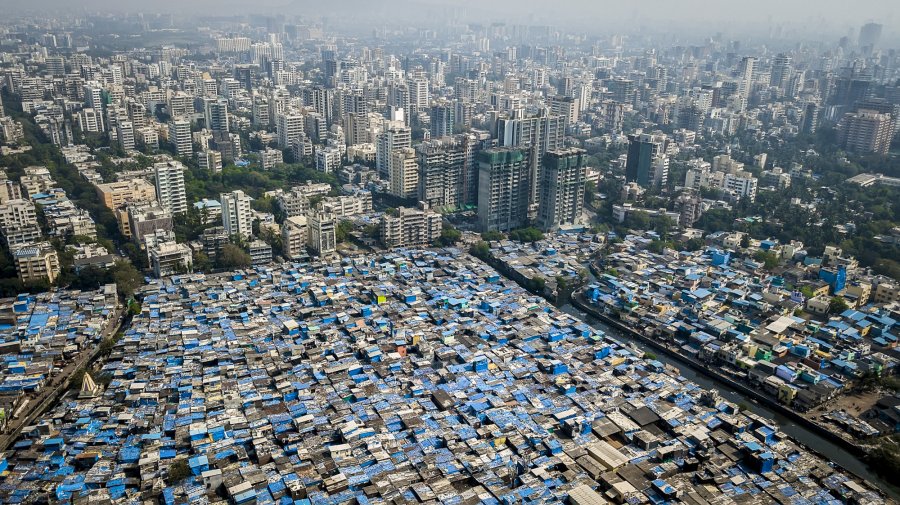
India’s Complexity: India’s enormous diversity—with 30-40 different ethnic groups and 320 dialects and languages—makes it difficult to implement uniform policies. A national leader speaking in any single language (e.g., Hindi, English, Tamil) cannot reach more than 30-40% of the population at once.
-
Achievement of Unity: Despite this complexity, the fact that India has held together under a fluid constitution is considered a great achievement.
III. The Governance Problem: The Case of Bombay/Maharashtra
- The Goal: Lee Kuan Yew recounts a discussion with the deputy chief minister of Bombay (now Mumbai) about how to make the city a world financial center.
-
The Conflict:
-
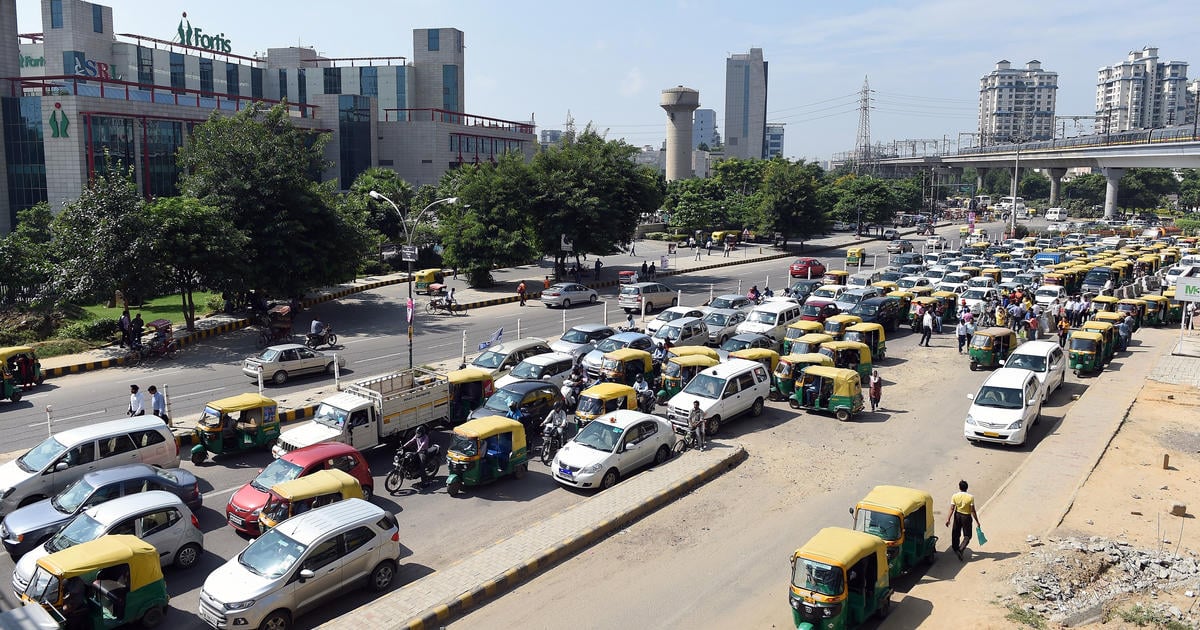
Bombay’s revenue goes to the Maharashtra state government, which then spreads it throughout the state, prioritizing the needs of farmers and rural voters.
-
This system prevents Bombay from investing in world-class infrastructure (airport, roads, planning) needed for a financial center.
-
-
The Proposed Solution (Chinese Model): Lee Kuan Yew suggested making Bombay a self-governing unit that deals directly with the central government, similar to Shanghai, Tianjin, or Chongqing in China.
-
The Constitutional Impasse: The Prime Minister of India informed him that this change requires an amendment to the constitution, needing a two-thirds majority in Parliament and state approval, which is politically impossible to pass.
-
Conclusion: Bombay will remain at the mercy of the Maharashtra government, which will prioritize the voters who elected them, thus maintaining the chain that hinders independent development.