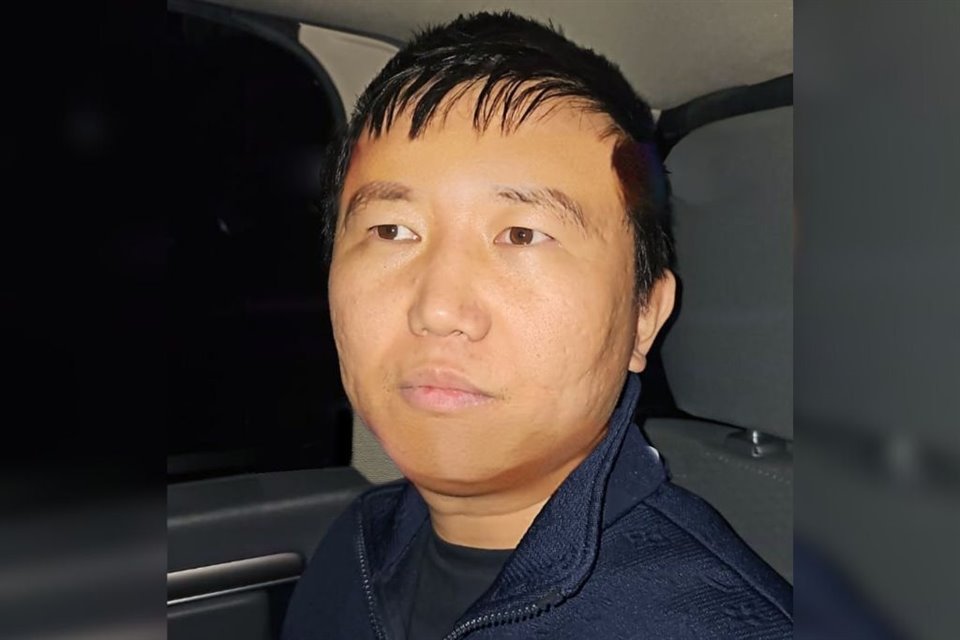
A few days ago, a Chinese netizen saw big news on X. Brother Wang, a major Mexican drug lord born in China, was handed over by the Mexican government to the US government. Fearing another jailbreak, Mexico and the US completed the transfer directly at the airport. This major case, personally overseen by the Mexican president, finally came to a close. Brother Wang controlled a massive money-laundering network for Mexican drug cartels, earning over 150 million dollars annually from this operation alone. He also supplied low-cost, high-quality fentanyl, building a fentanyl empire that dominated the entire Mexican drug network. Brother Wang is Chinese, named Zhi Dong Zhang. US authorities took a long time to confirm his true identity. After locking it down, they bypassed Mexican police through diplomatic channels, and the president personally ordered security forces to arrest him. Yet with immense influence in Mexico, he bribed prison officials and escaped. While fleeing to Russia, passport issues led to his deportation to Cuba, and Cuba then sent him back to Mexico. This set the stage for the scene mentioned at the video’s start: Mexicans handed this hot potato to the Americans at the airport and breathed a sigh of relief.
Yet this underworld kingpin, who shook the world, shares the exact name and striking resemblance with the netizen’s high school classmate, a former academic star. When he asked in his friend circle, classmates were stunned. How did he only now find out? The explosive news had already spread through all his classmate groups from every period. The TV series Breaking Bad is considered one of the greatest shows in his
tory. Its exaggerated and bizarre plot leaves countless viewers reminiscing. Yet in reality, the story of Brother Wang, also known as Zhang, is even more outlandish.
Zhang was born in 1987 in Beijing. He grew up in poverty with parents in a strained relationship that ended in divorce. His family could offer him almost no support. He could not even afford after-school interest classes. Yet while fate closed every window, it opened a dazzling door most people envy. He possessed extraordinary intelligence and talent. More importantly, poverty and hardship did not make him withdrawn or extreme. Instead, he grew accustomed to solving problems decisively on his own, developing strong independence, resilience, and a daring spirit. He excelled at socializing and was born to achieve great things. His innovative thinking often shocked classmates, and his grades always led the pack, even without much effort.
With a slightly normal family and reasonable guidance, he could easily have become a financial titan or top scientist. Later events proved he was not just a financial genius, mastering cryptocurrency to launder money for cartels, but also self-taught in chemistry, innovating fentanyl refining techniques and building his fentanyl empire through technical superiority. As a liberal arts student, his dream was to study finance at Renmin University of China. But in the 2006 college entrance exam, his scores were so high that top-tier Peking University snatched him first. Out of 750 total points, he scored over 700, with perfect marks in math. Many may not grasp the difficulty of China’s gaokao math. Even the weakest Chinese high school student would be a math prodigy in a US high school. Scoring above 130 in gaokao math is already excellent, showing just how gifted Zhang was.
Fate played a massive joke on him. Coming from poverty, he cared deeply about job prospects. With his outstanding scores, Peking University let him choose his major. He picked the hottest program at the time, Spanish, which had the highest admission scores among all foreign language programs in China. After China joined the WTO, demand surged for non-English languages, and few schools could train top Spanish talent. As China’s leading liberal arts university, Peking University’s Spanish department was packed with stars. Yet Zhang lost interest, and his grades plummeted, risking graduation. He took a forced year off. During that time, he interned at a Chinese mining company in Mexico. Though behind his classmates in proficiency, Peking University’s prestige and his solid skills, including Spanish, earned strong recognition. His hard work, high talent, and social ability made the company eager for him to return after graduation. This chain of events completely altered the genius’s life path.
Had he stuck with finance at Peking University instead of Spanish, China might have gained a financial master. Had he chosen engineering, he could have entered Tsinghua University and become a scientist. But destiny decreed he would transform Mexico’s drug trade. His classmates never imagined someone with such high intelligence, emotional intelligence, and resilience would turn to drug trafficking and production.
In 2011, fresh from graduation, Zhang packed his bags without hesitation and headed to Mexico to rejoin the mining company that valued him. As the world’s factory, China has insatiable demand for minerals. Leveraging his exceptional talent, he quickly spotted opportunities, founded a company, and entered mineral trading. Like most Chinese who thrive overseas, he grasped the secret to success: either sell Chinese goods abroad or sell what China needs back home. As the global supply chain hub, pure trade can make fortunes.
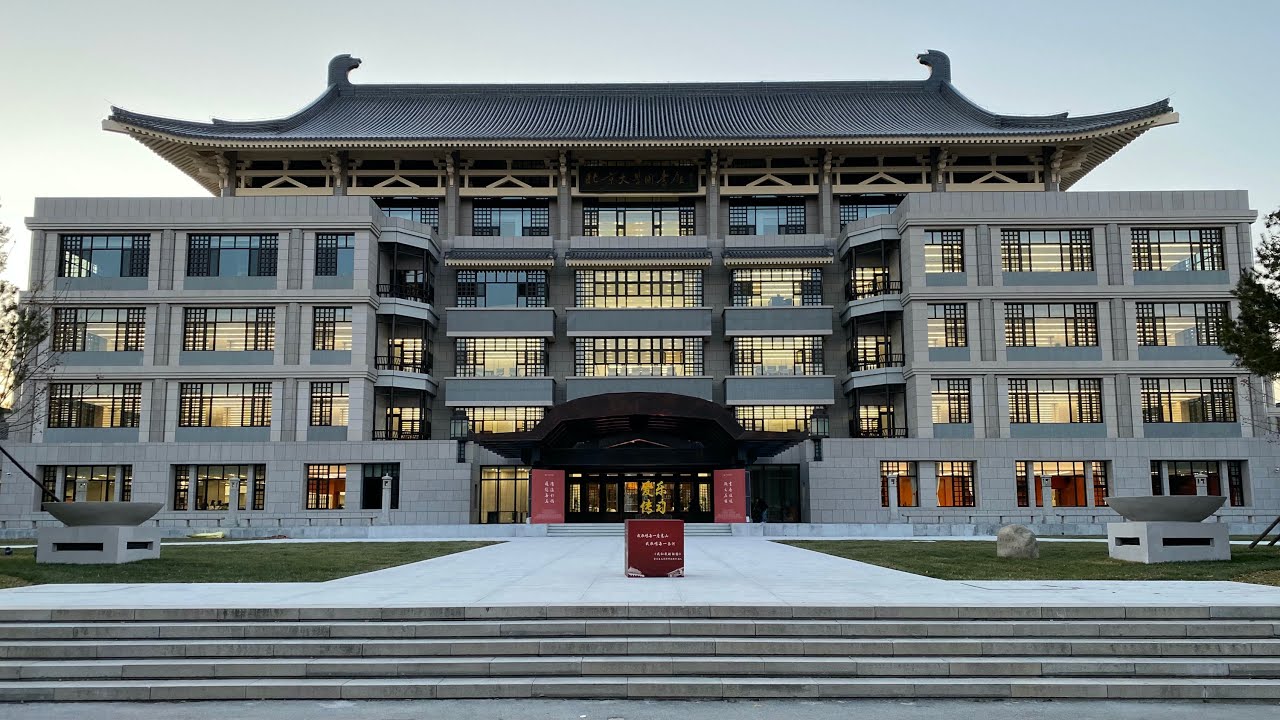
After striking it rich, he donated 10 million RMB to Peking University’s School of Foreign Languages and was named an outstanding alumnus. To the university, this sum was trivial amid massive government funding and donations from prominent alumni. Yet the donation showed Zhang the power of money, fueling his childhood hunger for success and driving him to scale his business.
Running mining in Mexico makes cartel contact nearly inevitable. Some say he started as a translator at the mining firm and in 2015 met a mid-level cartel figure by chance. His language skills and business acumen impressed the contact, who offered 50,000 dollars monthly to join and manage logistics, launching his drug career. Others say he met traffickers after starting his mining business, later marrying a local drug lord’s daughter and gaining Mexican citizenship. These details are hard to verify; we must await US disclosures.

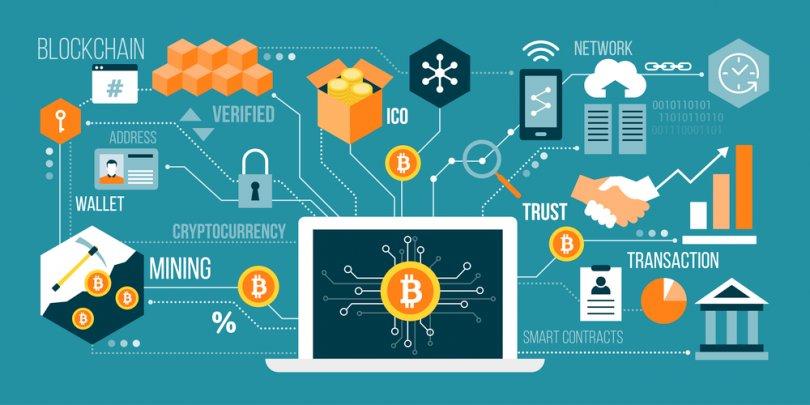
Regardless, Brother Wang’s arrival brought Mexico’s underworld a technological shock. With sky-high intelligence, a finance enthusiast, and perfect math scores, he swiftly introduced cryptocurrency to money laundering. Traveling constantly between China and Mexico, he built numerous companies, creating fully legal logistics and payment networks. Mineral deals involve huge sums and complex varieties, enabling efficient, secure laundering. Old-school cartel cash methods were obsolete; Brother Wang delivered a financial revolution. Ironically, traffickers became Mexico’s pioneers in large-scale blockchain adoption.
A robust financial network requires two key traits. First, cross-border reach. China is the only country where US tracking cannot follow funds. Only through legitimate Chinese businesses can money be fully cleaned, leaving no US trace. Cryptocurrency is merely the entry point for laundering; it cannot exit into legitimate funds. China’s advanced financial digitization means no major domestic traffickers exist. Claiming the Chinese government knew nothing of Zhang’s laundering strains belief. But as long as it harms no Chinese interests and brings profit, there is no need to stop him. The US plays the same game with China. Binance’s CZ faced severe laundering charges, yet he cleaned mostly Chinese black money. As long as the US profits, it turns a blind eye, which is why Trump and others pardoned him. Second, convenience. Blockchain and cryptocurrency vastly improve transaction ease and cut costs. China’s financial network connects globally, moving funds swiftly. Yet capital controls limit inflows and outflows, so networks must exist both inside and outside China. Most business runs on ledger accounting, with cash settlements only when needed.
Brother Wang knew his work was illegal, yet he could not resist his deep craving for success. Childhood poverty left scars; he hungered for triumph more than anyone. For safety, he used aliases like Brother Wang, Pancho, HeHe, and HaHa. Brother Wang became infamous, catching the DEA’s eye.
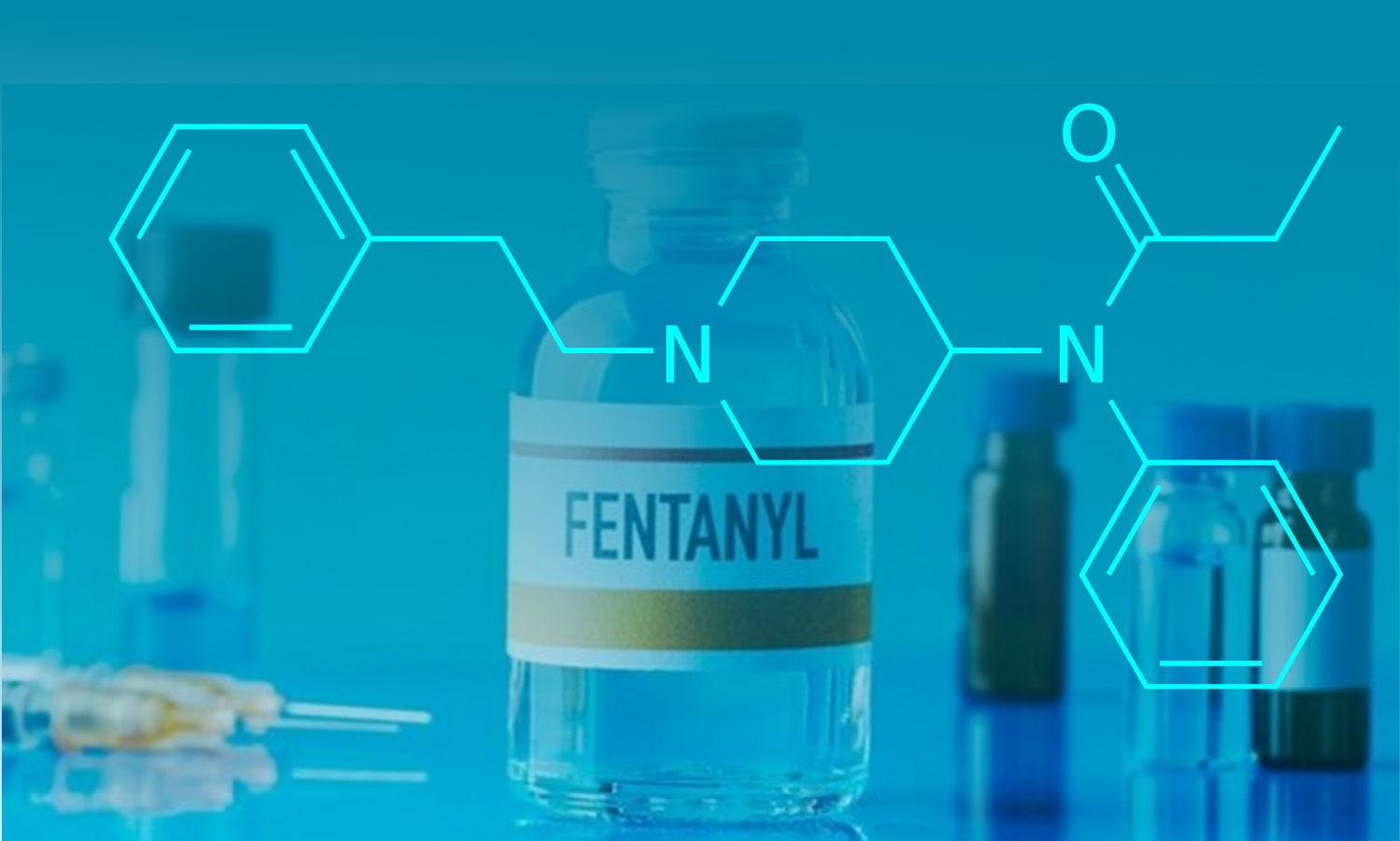
What enraged Americans most was not the laundering but the fentanyl. After joining the cartel, Zhang saw massive profits in supplying fentanyl precursors. Self-taught via books and online resources, with exceptional hands-on skill, he developed a revolutionary refining process that boosted purity and slashed costs. Prices were so low traffickers could not believe it, yielding thousands of times profit on sales. Brother Wang’s fentanyl empire expanded relentlessly. Many traffickers became loyal partners with deep personal ties.
Thus, when the US bypassed police and pressed the Mexican president to deploy security forces for arrest, traffickers quickly bribed prison officials and judges, loosened supervision, and dug a tunnel to free him at midnight. Yet the cartel was sloppy, or Zhang himself slipped. In panic, he fled with a low-quality fake passport. Russia detected it, deported him to Cuba, and Cuba, after verifying identity, sent him back to Mexico, leading to recapture. With better planning, he could have escaped to lawless Myanmar or bribed Indian officials to hide there, far safer than Russia. Russia is a bandit state; wealth is not safe there.
Typing late into the night about Zhang, I feel no fatigue. Deep in every human heart lies a desire to break bad, to explore, to defy fate. As someone versed in tech, I too have had chances to go rogue and make dark money. Yet desire, courage, and audacity vary by person. I see no absolute good or evil in this world and care little for public judgment. For me, family duty and raising my son matter most; I restrain myself for them. But some choose to roar and die rather than live in silence. Zhang will likely spend his life in prison. His vast fortune will be split by Mexican traffickers and underlings or seized by the US, Chinese, and Mexican governments. Even if his family lives comfortably, he will never enjoy the wealth. Yet I believe this suits his character. Given another chance, he would choose the same.
As ordinary people, we need not resolve to imitate such figures while enjoying this wild tale. But we can measure our lives against theirs. Our yearly earnings might not buy dog food for Brother Wang’s pets. Money is not everything, yet we must ask: is it only money we lack? What have we truly achieved in family, career, and dreams? Or perhaps life is just a dream, and nothing matters. That is all for this video. See you next time!
 as it proof chinese are born scammers, not only mexico and Americans, but in south east asia also most scam crime drug dealing human trafficking oligarchy done by Chinese overload it was need of hour ASEAN wake up and kick china out of south china sea and south east asia, and to get rid of them they can adopt final solution like Hitler, Hitler each accusations of jews were more true for Chinese than jews themselves, also they can adopt Indonesia model 1990 to get rid of yellow pest scammer