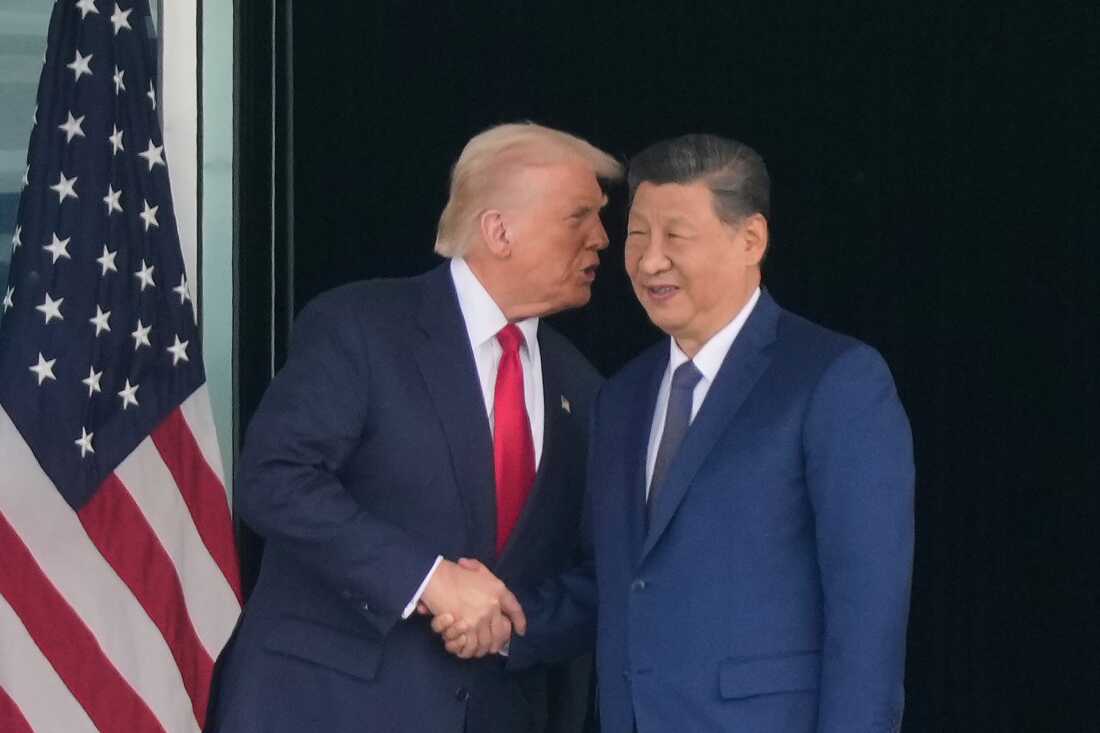
The leaders of China and the US finally met again. After many years, Trump and Xi Jinping met in person. The two still referred to each other as old friends, but this friendship had clearly endured countless rounds of mutual tearing, threats, and ultimately returned to surface-level peace. After the meeting ended, Xi Jinping saw Trump off. Trump needed to return to the White House to host a major event, which was nothing more than Halloween celebrations. Such a not very important holiday actually gave Trump an excuse to leave the APEC summit. It is clear that his trip to Asia this time was solely to meet Xi Jinping. After all, leaders of other countries were not important to him. He could directly issue orders, and if they did not comply, he would launch tariff threats, technology blockades, and financial sanctions. Only Xi Jinping was someone he could not handle. He needed China to buy soybeans, pause rare earth export controls, and avoid a direct showdown with China to get through a stable Christmas first.
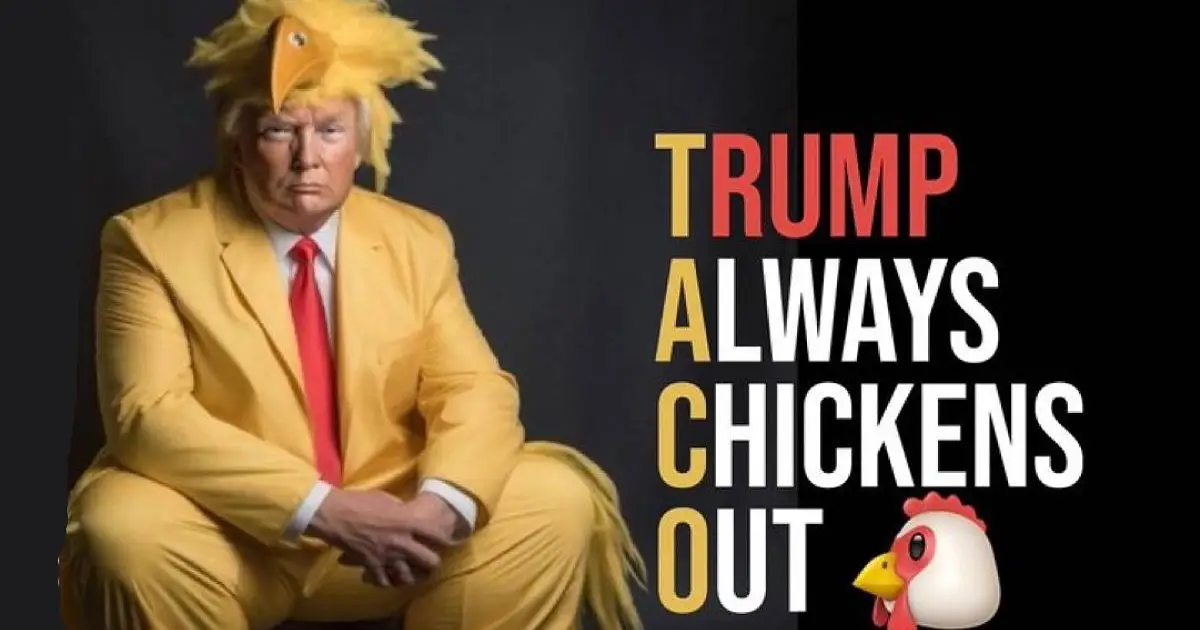
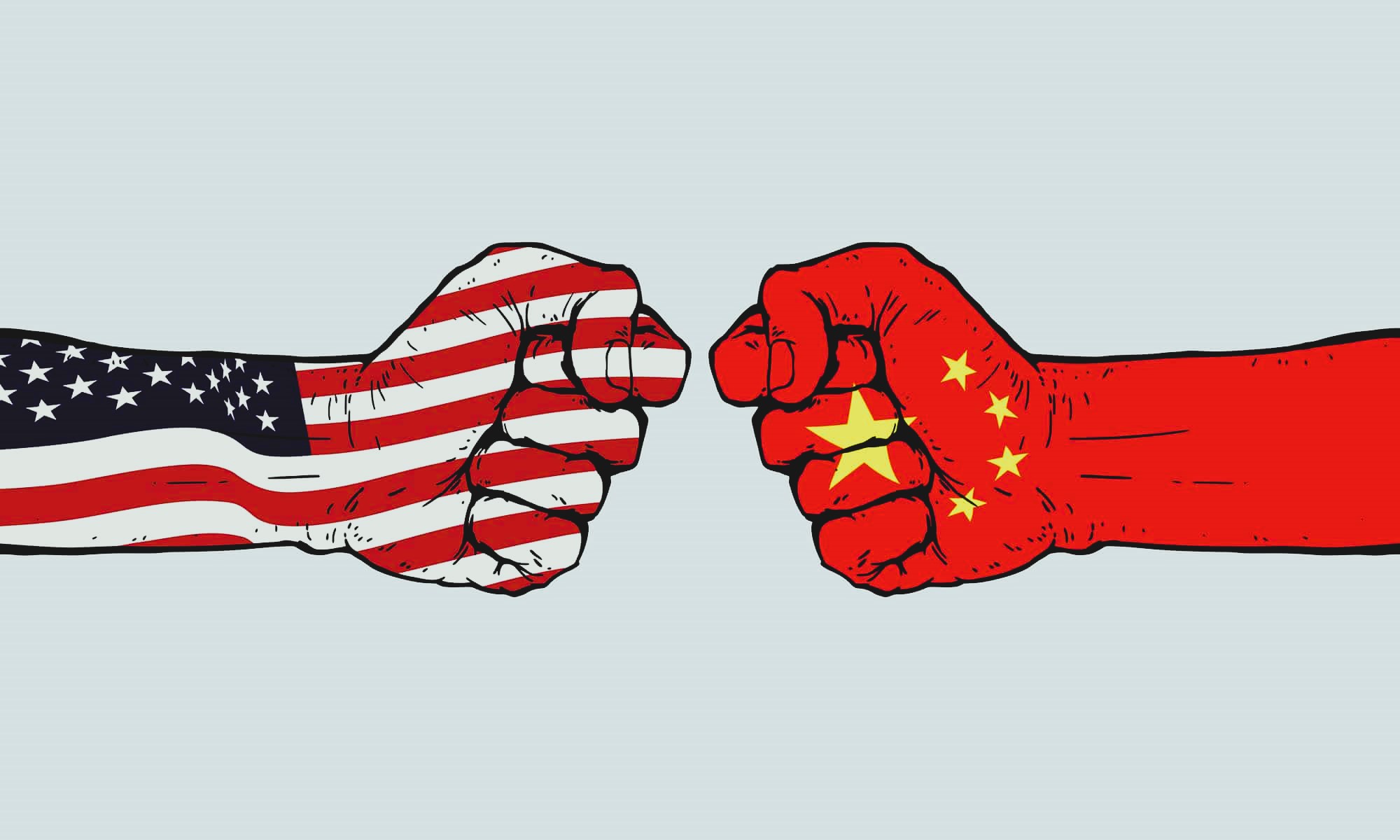
In fact, for the constantly staged TACO show, the Chinese people have long lost their sense of novelty. If Trump had the ability to unilaterally impose huge tariffs on China without the US paying any price for it, he would have done so long ago and would not negotiate with China at all. China’s attitude toward the US is now very clear: welcome talks, and if you want to fight, we will accompany you to the end. China will never make substantial interest concessions just because of US intimidation. The two countries have been fighting for more than seven years, and they are already very familiar with each other’s strength and methods. China has prepared for years to fight trade wars and technology wars with Trump, just waiting for him to return to the White House. Obviously, Trump’s preparations are not sufficient. Therefore, if both sides go head-to-head in a direct confrontation, the US will definitely suffer.
The US now has an advantage in cutting-edge technology over China, but the lead is not enough to give the US a decisive edge to crush China. On the contrary, because China holds an industrial advantage, it can quickly apply scientific research results to production, thereby expanding its production efficiency advantage over the US. China’s centralized system poses a huge risk of policy errors in peacetime, but in intense confrontation, the US plays the role of China’s supervisor. Through US pressure, China can quickly recognize its shortcomings and leverage the efficiency advantages of a centralized government to make rapid improvements. The democratic advantages of the US do indeed promote innovation in peacetime, but in high-intensity confrontation, it severely lacks efficiency. In fact, not only is US infrastructure far behind China, but the quality of US workers and the public education system are also far inferior to China’s, with no possibility of catching up even in the short term.
The US holds the ultimate weapons of the dollar and SWIFT. However, in recent years, China has done a lot of alternative work through CIPS, digital RMB, and local currency swaps. If the US rashly uses SWIFT and the dollar as weapons, it is very likely that it will not crush China but instead bury the dollar’s hegemony. Originally, the US also had the opportunity to use its stockpiled military advantages to engage in military blackmail against China. However, the fact is that all branches of the US military are rapidly declining. The severely recessed manufacturing industry and astonishing military procurement corruption make it difficult for the US military to even ensure normal training, let alone wage war against a major power like China.
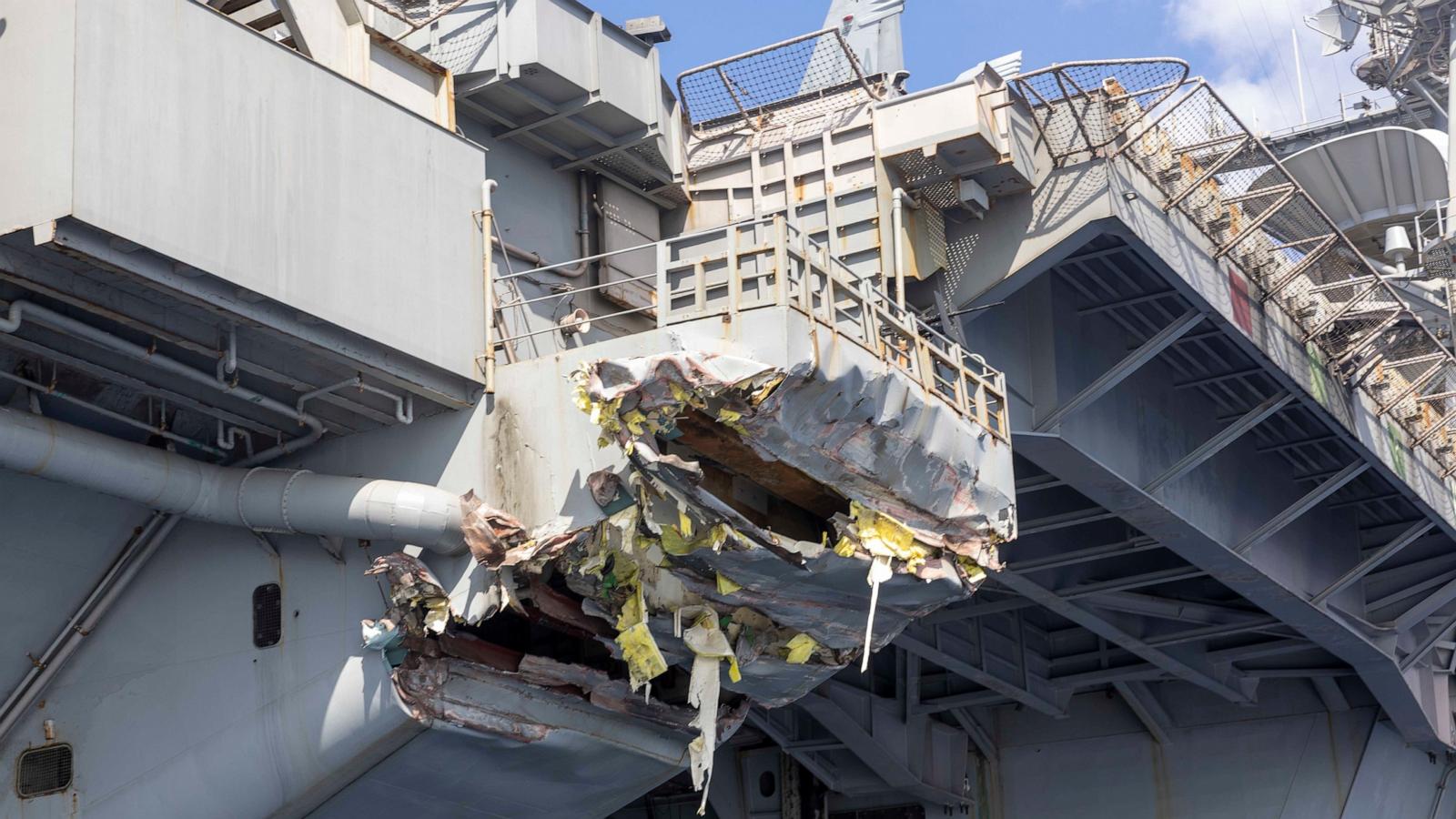
The US military’s F22 production line has been stopped for many years, with a large number of parts no longer supplied and a readiness rate of less than 50 percent. The F35 has a readiness rate of less than 60 percent, with frequent crashes. Just a few days ago, a US Navy aircraft carrier in the South China Sea actually lost two planes in just 30 minutes. The electromagnetic catapult system on the Ford is still not mature and is extremely expensive. Trump even demanded that all future systems use steam catapults. At this rate of development, the US is very likely to become the second India, constantly providing laughs for military enthusiasts around the world.
For Trump, re-election is already impossible. If he wants to achieve some political accomplishments, he must win in next year’s midterm elections. Once Congress is taken by the Democrats, he will become a lame-duck president for the next few years. To win the midterms, there must be no sharp price increases this Christmas, and US farmers’ soybeans must be sold by November. Therefore, he had officials like Bentsen make statements threatening to impose 100 percent tariffs on China. This was purely a blackmail tactic to create negotiation chips out of thin air, but the Chinese representatives clearly did not fall for it.
I make a simple prediction: this peace will probably last about two months. Small conflicts will occur every few days, but they will not lead to a complete fallout. After Christmas and New Year, before the Chinese Spring Festival, peace may also be maintained. However, at that time, whether it is war or peace, the initiative lies in the hands of the Americans. No matter how many soybeans China buys or how much rare earth it sells to the US, the US government will not be grateful to China. As long as there is an opportunity, it will certainly find ways to strike China again. Many people in the comments section suggest that China and the US completely sever ties and stop trade. In fact, this view is extreme and naive.
The US is the biggest contributor to the existing international order. It has indeed reaped huge benefits, but in the current international system, China is also one of the biggest beneficiaries. If the current international order is favorable to China, yet China wants to overthrow it, isn’t that stupid? What the Chinese want to do is maximize their interests within the existing international order. If they cannot, China will unhesitatingly push for the disintegration of the existing order. Being the world leader comes at a cost. The status of the world currency itself harms a country’s industrial competitiveness. China has no need to sacrifice real interests for vanity.
Therefore, Americans should think clearly: the Chinese are not trying to steal your jobs or threaten your world leadership position. China also wants to maintain the existing international order, at most making some improvements. But if you insist on going to war with China, then China will accompany you to the end and completely crush the hegemonic position on which you rely for survival.