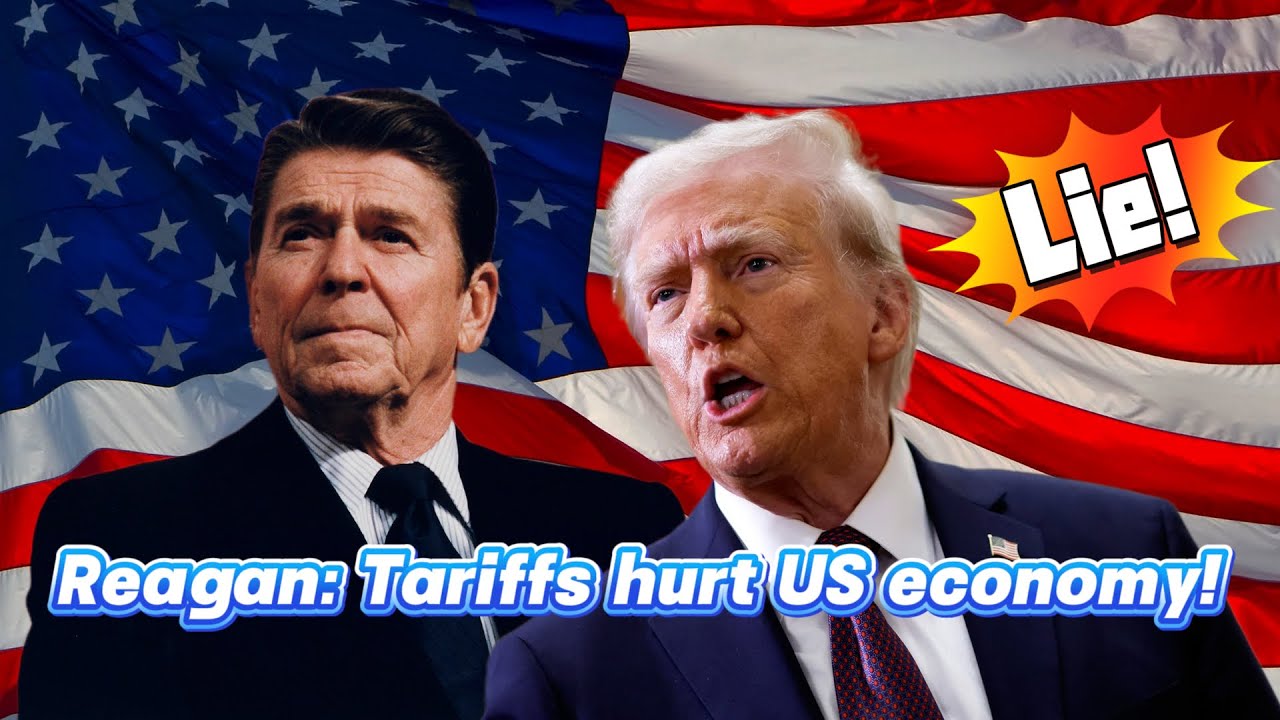
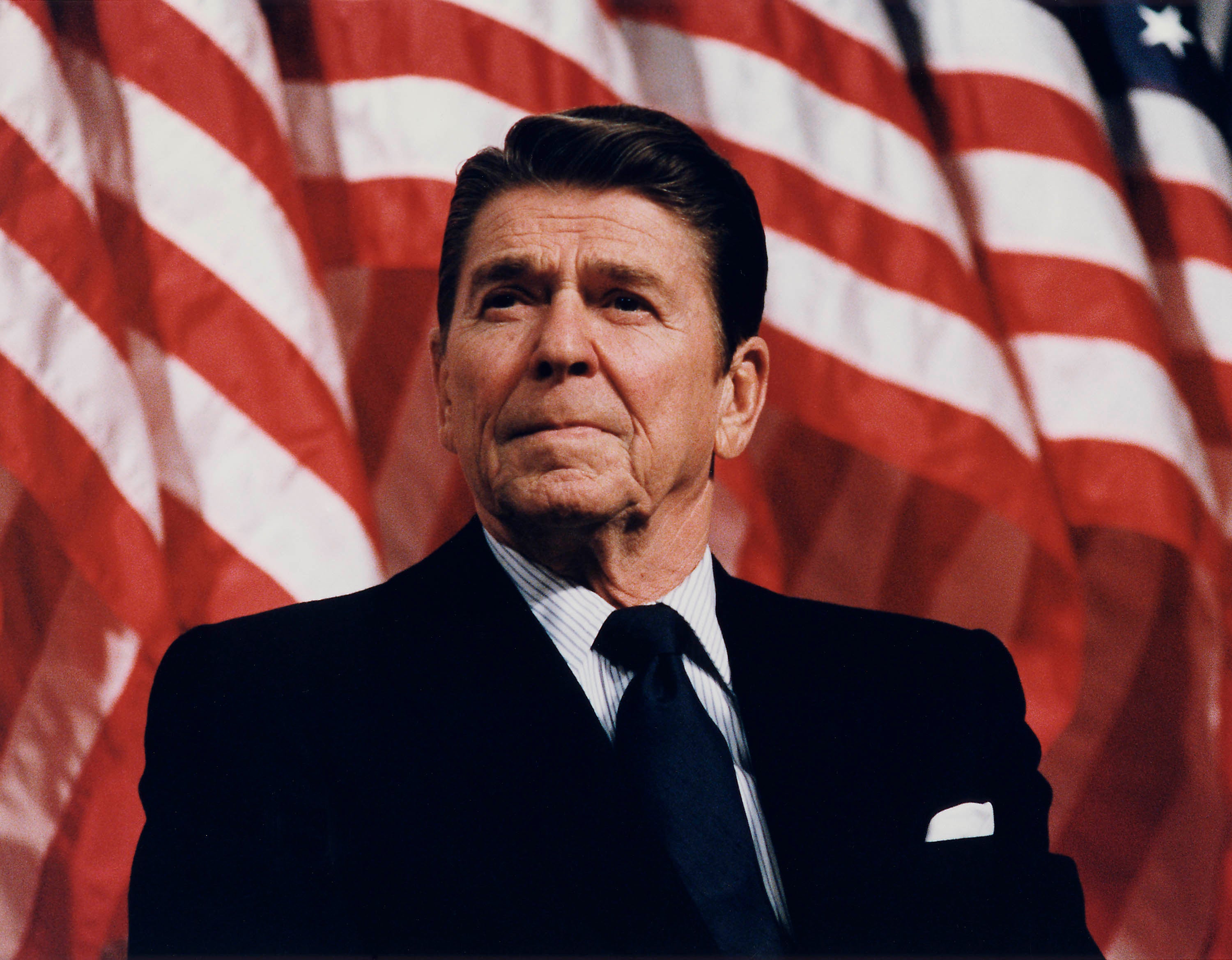
The following is an outline of the video “Reagan: Tariffs Work Short-Term, Harm Economy Long-Term, Fail to Save Jobs, Hurt US Competitiveness!,” featuring an address by President Ronald Reagan.
I. Context and Upcoming Meeting
-
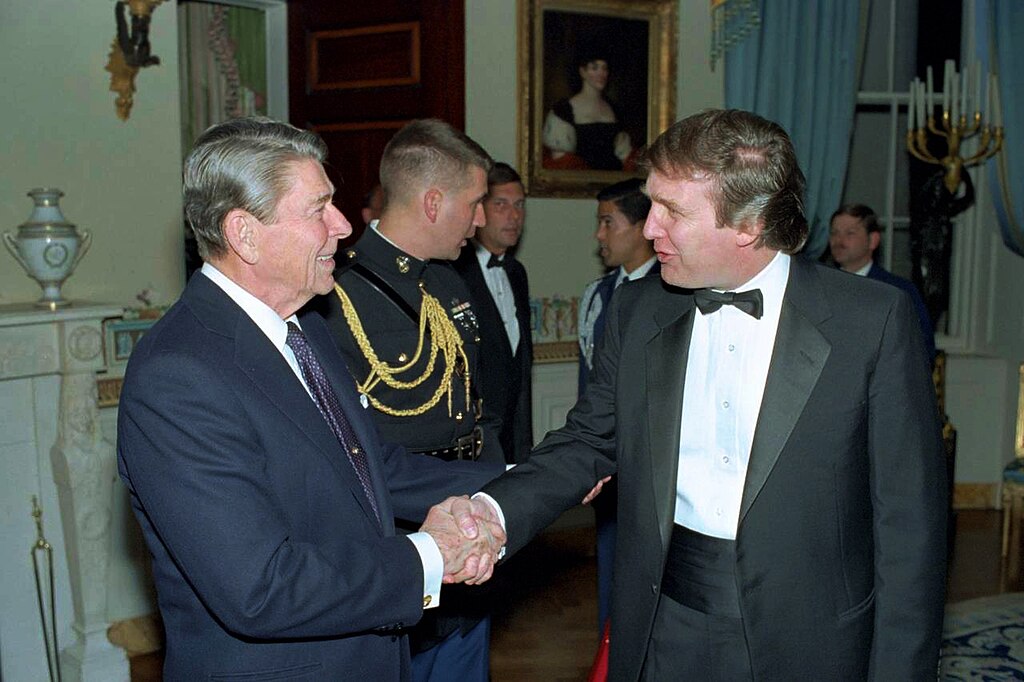
The Visit: Prime Minister Nakasone of Japan is scheduled to visit the White House next week.
-
Agenda: The overall relationship between the US and Japan remains excellent, but recent disagreements on trade will be a high priority.
-
Recent Action: The speaker notes that the US recently imposed new duties on some Japanese products (specifically semiconductors) due to Japan’s inability to enforce a trade agreement.
II. The Rationale for and Limits of Tariffs
-
Reluctance to Impose Tariffs: The speaker expresses reluctance to use tariffs or trade barriers, acknowledging that in the long run, such restrictions hurt every American worker and consumer.
-
The Semiconductor Exception: The tariffs on Japanese semiconductors were considered a “special case” because there was clear evidence that Japanese companies were engaging in unfair trade practices that violated a standing agreement.
-
Fair Trade Commitment: The US commitment is to free trade but also to fair trade.
-
Goal, Not War: The imposition of these tariffs was intended to address a specific problem, not to start a trade war. The speaker plans to tell Prime Minister Nakasone that the US wants to work cooperatively to lift the restrictions as soon as evidence permits.
-
Obligation to Promote Free Trade: Both the US and Japan have an obligation to promote prosperity and economic development, which only free trade can bring.
III. The Long-Term Danger of Protectionism
-
The Great Depression Warning: Historical reasons strongly argue against protectionism. The memory of the Great Depression is “deep and searing,” and many experts believe the high Smoot-Hawley Tariff legislation greatly deepened the depression and prevented recovery.
-
The Short-Term Illusion: Tariffs might appear to be patriotic and seem to protect American products and jobs for a short time, but this effect is temporary.
-
Negative Long-Term Consequences:
-
Stagnation of Industries: Homegrown industries start to rely on government protection (high tariffs), stop competing, and fail to make necessary innovative management and technological changes to succeed in world markets.
-
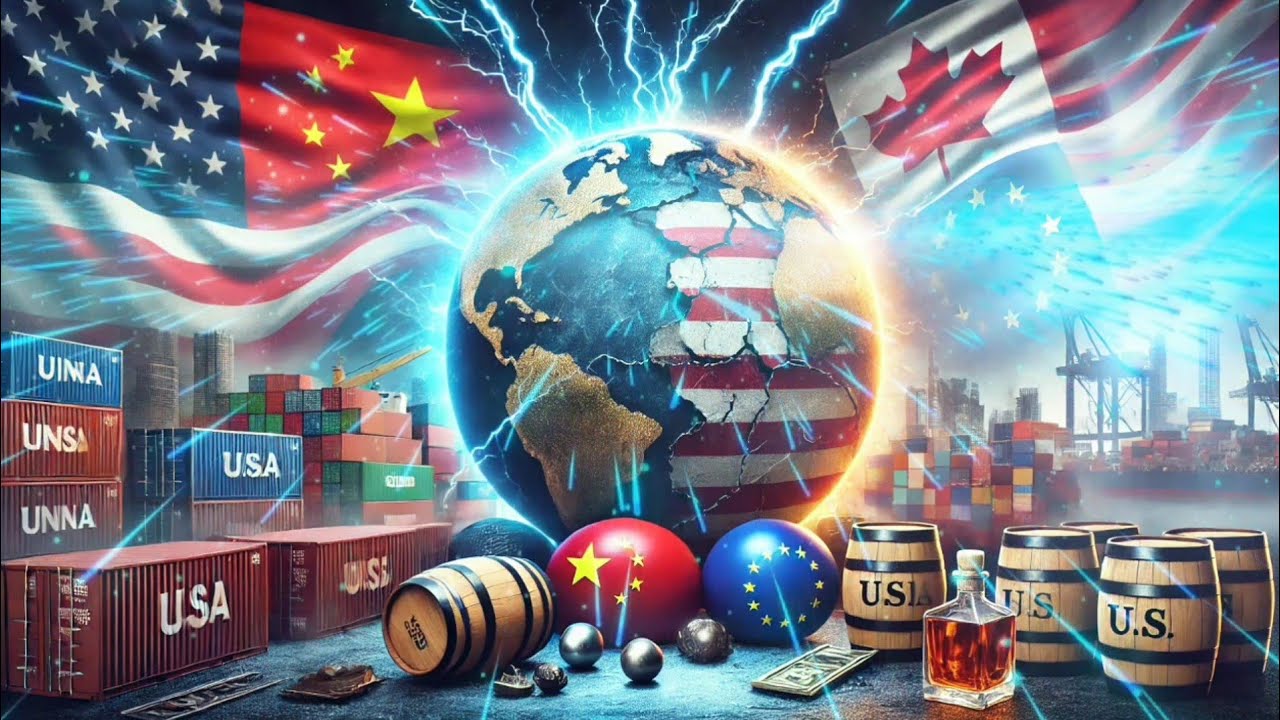
Foreign Retaliation: High tariffs inevitably lead to retaliation by foreign countries, triggering fierce trade wars.
-
Market Collapse: Prices become artificially high due to tariffs that subsidize inefficiency. People stop buying, markets shrink and collapse, businesses shut down, and millions lose their jobs.
-
IV. Congressional Action and a Call to Action
-
Protecting Prosperity: The speaker is determined to spare the American people from protectionist legislation that destroys prosperity.
-
The Political Risk: The speaker notes that some in Congress seek “quick political advantage” by appealing to special interest groups, risking America’s prosperity for short-term gains.
-
Jobs at Risk: Over 5 million American jobs are directly tied to the foreign export business, with millions more tied to imports.
-
Current Threat: Unfortunately, some members of Congress are trying to pass “dangerous legislation” that would restrict the President’s options in trade dealings, which the speaker views as another form of protectionism.
-
Request for Help: The speaker concludes by stating he may need the public’s help to stop this dangerous legislation, reminding listeners that America’s jobs and growth are at stake.