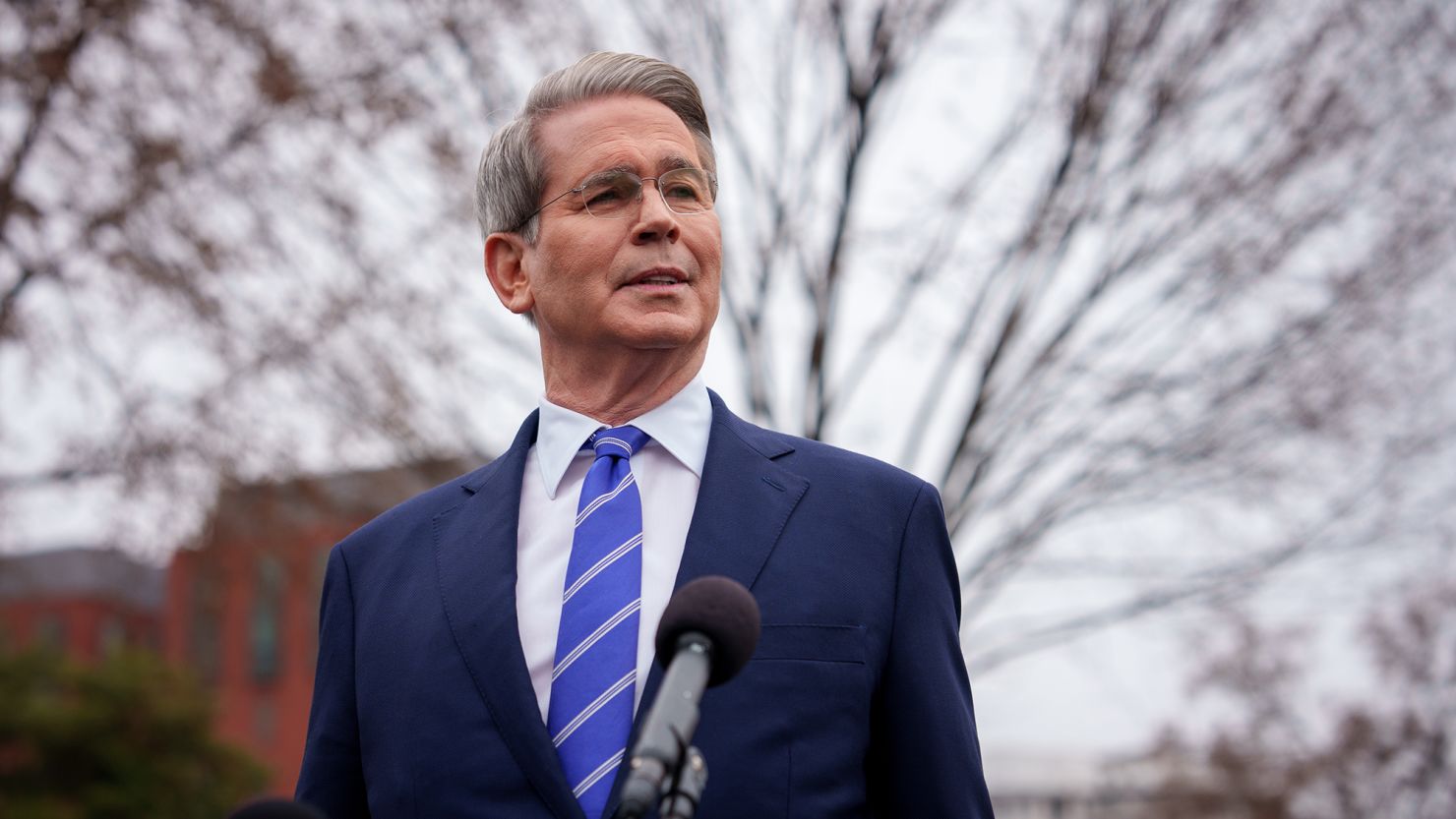
A few days ago, the US negotiating representative, Commerce Secretary Scott Bessent, complained that Chinese trade negotiator Li Chenggang was very tough and disrespectful toward him. Other representatives involved in the talks also expressed great disappointment, stating that the US must firmly defend its national interests. However, I said at the time that the direction of China-US relations depends on the conclusion of China’s 20th Fourth Plenary Session, whether the leaders of the two countries meet, and the outcomes of such a meeting. We should not focus on the complaints of US officials. Trump pulling a “Trump Always Chickens Out” move is not new, and he is hard to predict. His family and financial backers often use major announcements to manipulate stocks, futures, and cryptocurrencies, a common tactic. We should not let him lead us by the nose.
In fact, to understand the trajectory of China-US relations, we only need to watch Modi. When this clown is highly active, constantly boasting in front of cameras, it generally means China-US relations are tense. If he keeps a low profile and rarely appears, it indicates China and the US are negotiating, and India is waiting for the outcome to decide its next steps. When Modi acts tough on China in front of cameras, suppresses Chinese companies, or makes derogatory remarks about Chinese people, it suggests the US has offered India benefits, such as lower tariffs, reduced sanctions, or even military aid. However, if he and his clownish colleagues frequently engage with China or negotiate, it signals problems in US-India relations, with the US likely extorting India. For ordinary people without insider information, observing Modi is a great entry point.
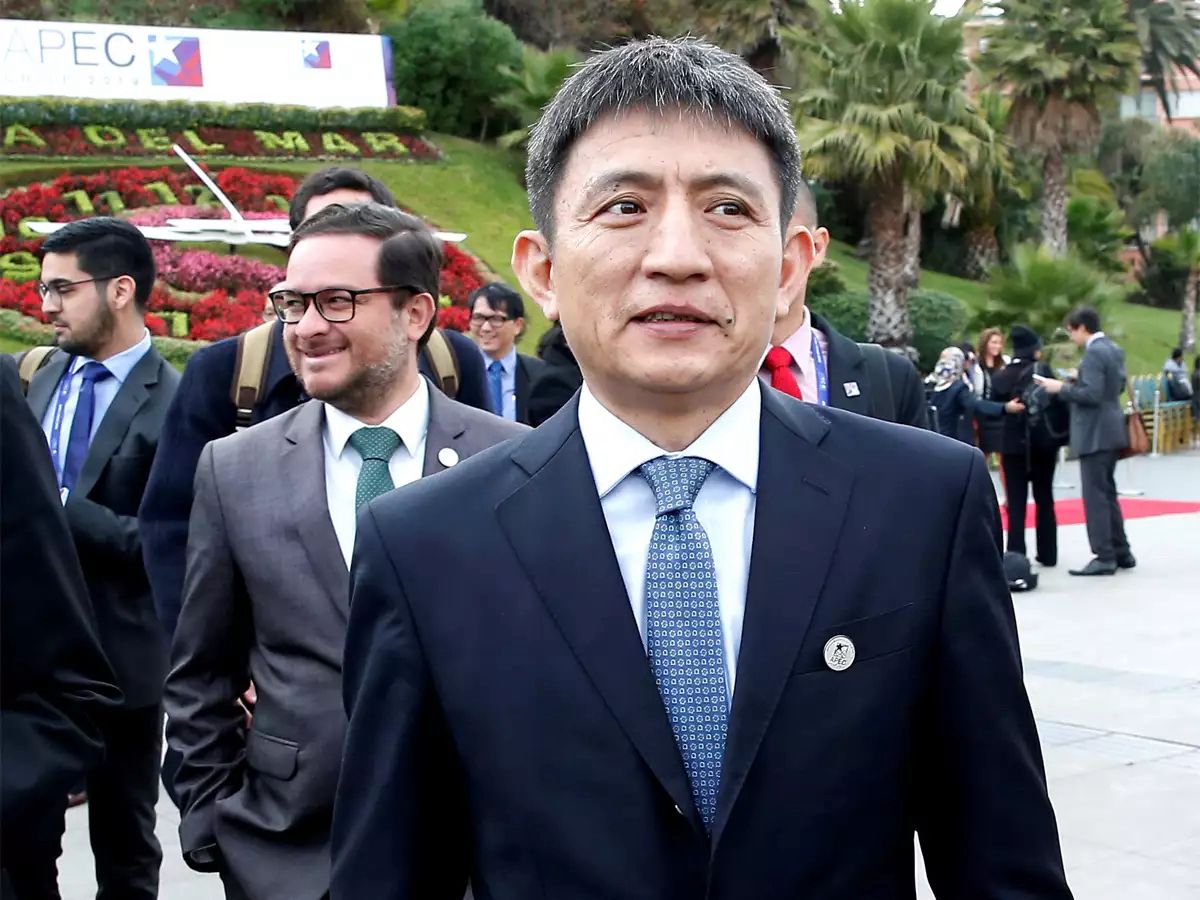
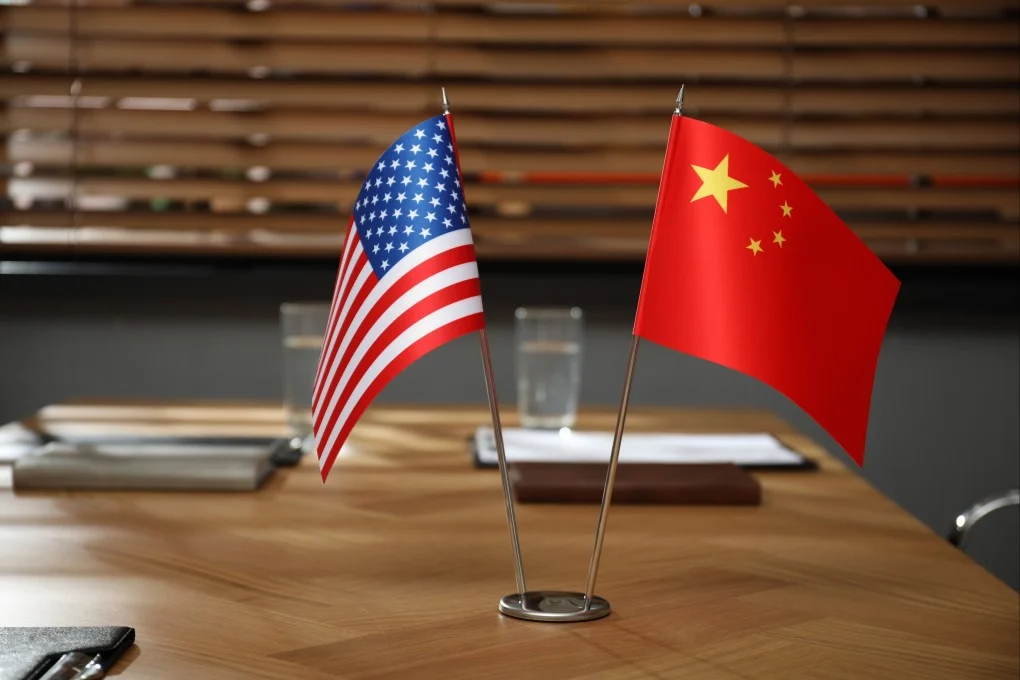
Notably, after the recent China-US talks in Kuala Lumpur, both sides stated they reached a framework agreement on major issues like fentanyl, trade, and technology controls, preparing to move toward domestic implementation. However, finalizing the agreement clearly depends on the outcome of a meeting between Trump and Xi Jinping. If it were another country’s leader or a traditional US politician like Biden, we could now conclude that China and the US have reached a temporary compromise, with a glimmer of peace and de-escalation in sight. But Trump is an extremely arrogant and erratic thinker. He might suddenly raise demands during a meeting with Xi Jinping, causing both sides to fall back into a stalemate. He calls this the art of the deal, while Chinese people see it as the nature of a clown.
However, the Chinese have already seen through Trump’s tactics and are not unfamiliar with him. China’s policy toward the US will not change based on whether a framework agreement is reached or whether a Xi-Trump meeting goes smoothly. China’s goal is simple: it does not rely on the variable of US attitudes but instead approaches issues with bottom-line thinking, making thorough preparations and keeping the initiative in its own hands.
Trump cares deeply about soybeans, though the financial stakes are not large, as they relate to his voter base. If farmers face widespread bankruptcies, the Republican Party will face significant challenges in next year’s midterm elections. For China, buying more soybeans, even securing several years’ worth, is not an issue and would bolster China’s food reserves. Chinese society’s demand for soybeans is long-term and stable, and other countries can hardly replace it. In the US and other Western countries, soybeans are mainly an economic crop, but in China, they are not only an economic crop but also a popular food ingredient, suitable for food reserves.

Given the value of US soybean production, Chinese state-owned enterprises face almost no pressure to absorb it. China can leverage its state system to make significant concessions to the US on minor issues Trump cares about, thereby securing substantial benefits on other critical issues. This is China’s asymmetric advantage.
Moreover, the US has nearly exhausted its means to strike at China. Chip sanctions have largely failed, and the only remaining measures are bans on operating systems and productivity software. However, China has been preparing for this for seven or eight years, with basic replacements already in place, so it is entirely unconcerned about US sanctions. Sanctions will only accelerate the adoption of Chinese companies’ products. For example, the HarmonyOS operating system excels in quality and user experience, and banning Windows would only hasten its spread. Chinese companies can produce EDA software, graphic design software, 3D software, office software, communication software, and games. Chinese gaming companies like Tencent, NetEase, and miHoYo are among the world’s best. If the US imposes sanctions at the operating system level, it will cause greater harm to itself.
The US’s past reliance on military intimidation has also completely lost its effect. China holds an absolute advantage over the US in ground forces, is on par with the US in air forces with respective strengths, and lags in the number of naval aircraft carriers. However, in combat within the first island chain, China has a clear advantage in both the quantity and quality of its vessels. China’s large fleet of fifth-generation fighters, sixth-generation fighters in trial production, hypersonic missiles, laser weapons, electromagnetic weapons, and anti-satellite weapons are enough to make the US wary. More importantly, China’s industrial strength far surpasses that of the US, allowing rapid replenishment of war losses. Under the impact of China’s rare earth sanctions, the already declining US manufacturing sector is essentially anemic, unable to sustain high-intensity warfare.
Therefore, I believe that in the coming years, the US and China will maintain a state of fighting without breaking, forming a new Cold War scenario following the Soviet era. While dealing with China, the US must also handle Russia, North Korea, the Middle East, and other troubles. Trump’s America First policy has instilled fear in third-world countries, and allies are drifting further away, making the US’s strategic position far less optimistic than during the Cold War. The US likely lacks the ability to launch large-scale, high-intensity direct strikes against China. The Trump administration is more focused on verbal sparring, grabbing media attention, rallying voters, and serving the interests of its financial backers.
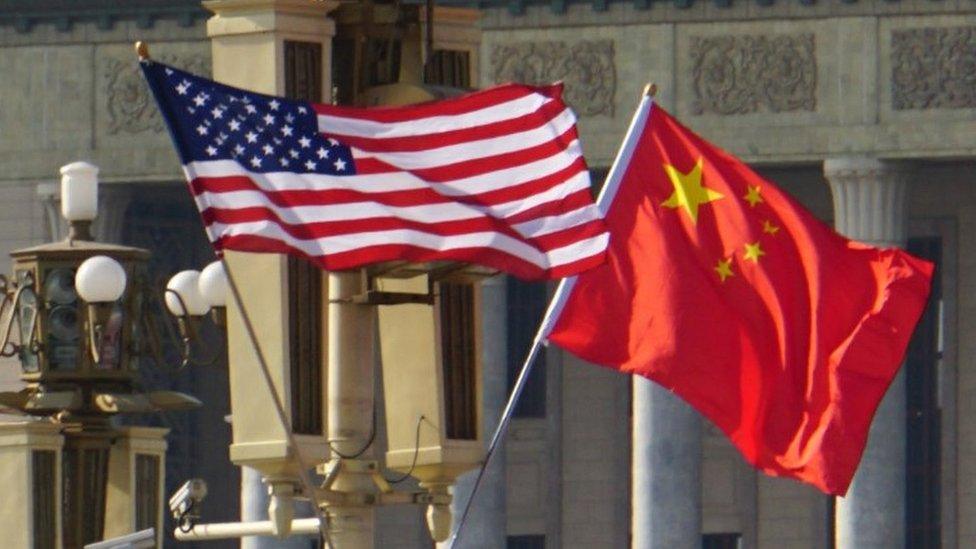
However, there is a major variable in China-US relations: Trump himself. He is accustomed to extortion and believes the US is powerful enough to maintain its status as a mafia boss. But China has reached a strong consensus: it will not recognize US hegemony, accept Trump’s unilateral bullying, or even tolerate verbal insults. If he repeatedly provokes China with extreme measures or threats, even without acting on them, China will respond with countermeasures, potentially causing relations to spiral out of control. Having chosen to confront the US, a centralized power like China, once it forms a national consensus, carries immense inertia. The only path forward is to defeat the US in competition; there is no second option. Thus, effectively managing Trump’s big mouth and volatile temper is a challenge the whole world should focus on, especially since he has over three years left in his term.
With the China-US summit approaching, let us hope for a positive outcome. After all, for ordinary people, peace is precious, and we should never lightly speak of war.