
If you are a less successful digital nomad with a monthly income of 1000 dollars, in the US, this income is barely enough to survive, requiring part-time work to supplement living expenses. However, if you are in China, this income can not only support a decent lifestyle but may even allow you to live vibrantly. I know many online sources recommend Southeast Asian countries as the top choice for digital nomads, but they often overlook quality. Yes, Southeast Asian countries have low living costs, but they are not significantly cheaper than China. More importantly, the infrastructure and technological level in Southeast Asia lag far behind China. For a digital nomad, the location where you type on your keyboard makes little difference. Within a limited budget, planning for a higher quality of life can not only save costs but also unlock more lifestyles, opening doors to new worlds.

As a programmer who has lived in Shenzhen for over a decade, I want to create videos to share how to plan a decent life in this global tech capital with a 1000-dollar budget. You can experience the world’s most advanced tech products and various new lifestyles at any time. Shenzhen is just across the river from Hong Kong, so if you need to handle financial matters, Hong Kong offers convenient financial services. Shenzhen is part of the Pearl River Delta, one of China’s most economically developed regions. The Greater Bay Area includes economically vibrant cities like Guangzhou, Shenzhen, Hong Kong, Macao, Dongguan, and Zhuhai, with a large population, excellent infrastructure, thriving culture, and high living standards. Why design a plan around 1000 dollars? Because it has a low barrier to entry. Platforms like YouTube, X, Facebook, Instagram, TikTok, or personal websites can help you achieve this income within a few months. Not everyone can get rich online, but earning 1000 dollars a month is relatively achievable.
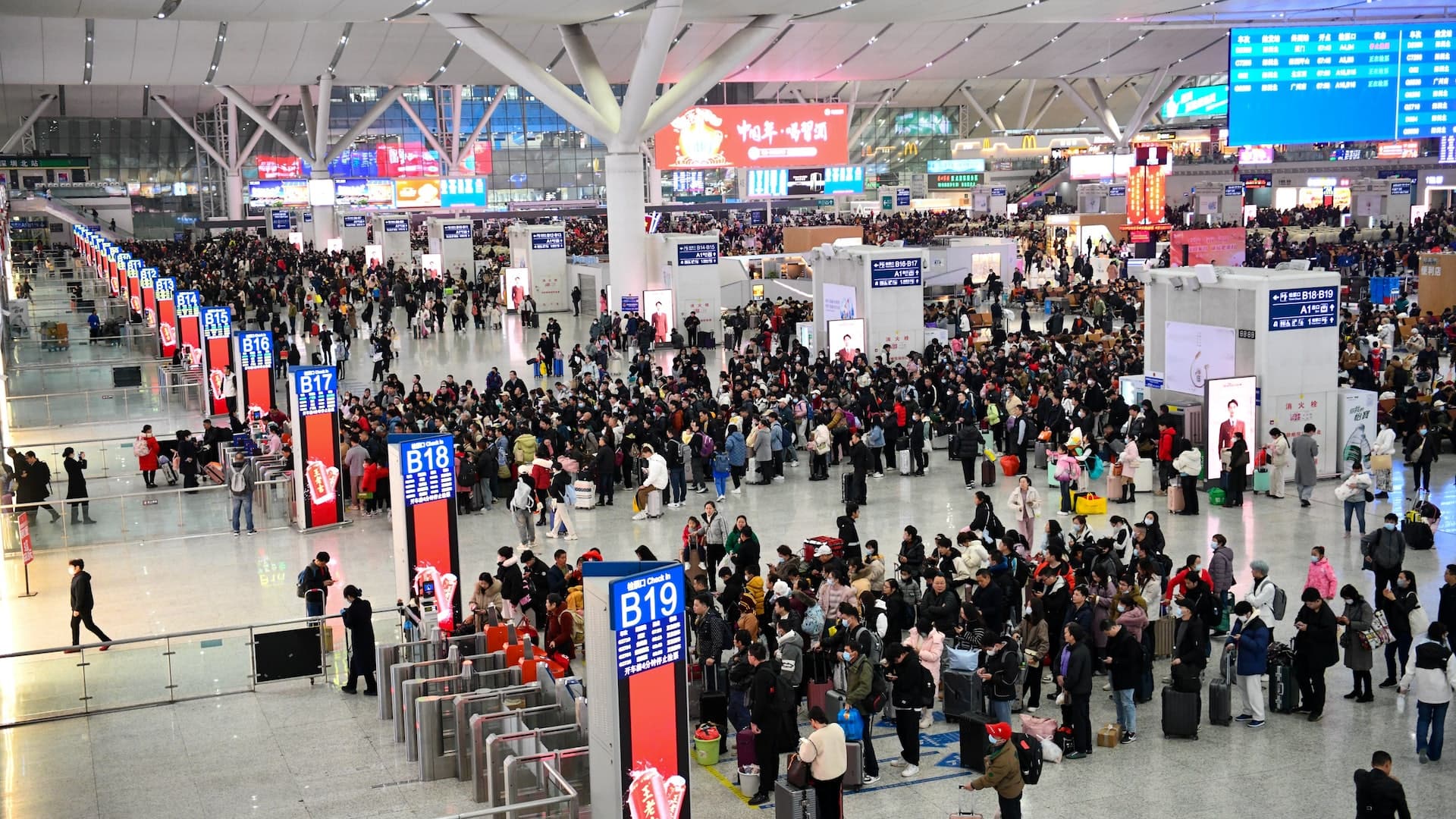
This episode discusses basic preparations before coming to China. The most important thing is money. If you have 10000 dollars in savings and a stable online income of 1000 dollars per month, you can apply for a visa and come to China. This episode will not cover how to obtain a Chinese visa or what to prepare, but we may discuss this in future videos. You just need to know that China is a highly modernized and safe country. Even if you arrive unprepared, you won’t face unmanageable crises. If you are from the US, Canada, Europe, or Australia, most developed countries offer visa-free travel to China for tourism, making it easy to visit and get familiar. Work and study visas are also straightforward to apply for. Even if you are from Africa or India, with effort, settling in China is not difficult. However, this window is gradually narrowing, so if you’re interested, the sooner you act, the better.

Before coming to China, download essential apps and learn how to use them. First, get a Chinese telecom provider’s SIM card, which you can buy on many online platforms. Cards from China Mobile, China Unicom, or China Telecom are all fine. Avoid using foreign SIM cards for roaming in China, as the costs are high. China’s 5G network is highly advanced, and local 5G SIM cards are very affordable. In China, no one worries about data limits; usage is unrestricted. China has a firewall, so many foreign social media and tools like WhatsApp, YouTube, Facebook, and Google are inaccessible. Download a suitable VPN app or a tool supporting protocols like V2Ray or SS to ensure you can access the global internet and stay connected with family after arriving.

You also need to download WeChat and Alipay, the two most important payment apps. WeChat is China’s equivalent of WhatsApp and the most popular messaging app. Link your bank card to these apps, and you can pay seamlessly across China, even in remote areas, as long as your card has funds. You won’t need to worry about payments.

Download apps like Ctrip or Qunar for booking flights and hotels, which offer English interfaces. Use the Chinese app store to download these apps and link them with your passport information for convenience and lower costs. You can also visit their websites, using browsers like Chrome for easy translation to choose suitable travel plans.
Learn to use food delivery apps like Meituan or Ele.me for convenient dining when you don’t want to go out. Use Didi or WeChat for ride-hailing, which is more convenient and offers better service than traditional taxis. For renting a place, familiarize yourself with platforms like 58.com or Anjuke. If you find a trustworthy local friend, you can delay these preparations. In China, a smartphone or computer can handle everything. If you master these skills, you can manage without anyone’s help. As for language, don’t worry; a real-time translation tool will suffice.

If you arrive unprepared and encounter difficulties, remember to call 110 for emergencies. Chinese police will assist you, so you don’t need to worry about being stranded without help. Ordinary Chinese people are very helpful, and arguably, no country on Earth is safer than China. Even compared to Europe or the US, China’s public safety is far superior. For example, you don’t need to worry about pickpockets. If you leave your laptop in a mall to use the restroom, it will still be there when you return.
YouTube has many channels by foreigners living long-term in China. Follow them to learn more about life in China. You can also follow my channel and discuss in the comments. You can log into my online forum with a Google account to ask questions, and I’ll do my best to help anyone coming to China because of my videos. However, I must clarify that I don’t offer commercial services; my help is limited to remote assistance online. I live a very simple life and can’t spend much time chatting online, but in emergencies, you can send me a private message through the forum, and I’ll help as soon as I see it. I may start a Telegram group later, where you can post for help, and I’ll respond promptly.

Shenzhen Bao’an International Airport will be your first stop. Book a hotel using Chinese apps before arriving, which is your first test. If you prioritize quality of life, I recommend booking a Ji Hotel for the best value. Other budget chains like Home Inn or 7 Days are also good. I strongly advise against booking luxury hotels, as China’s budget hotels are of high quality, much cleaner than those in Europe or the US. They’re affordable, not inferior. From Shenzhen Airport, take the metro. Budget hotels like Home Inn or 7 Days near metro stations cost about 30 dollars per night, some even cheaper. Ji Hotel costs around 45 to 60 dollars per night.

A journey of a thousand miles begins with a single step. With basic preparations, you can quickly start your trip to China. Stay in a hotel for a week, explore Shenzhen and nearby cities like Dongguan or Huizhou, and find your preferred place to live. You don’t need to stay within Shenzhen’s administrative boundaries; life is equally convenient in these connected cities with excellent public transport. This episode ends here. I’ll compile this series into a playlist for easy viewing. Feel free to leave comments and discuss.