A Canadian friend of mine heard that I’m working in self-media and expressed great sympathy, thinking I must be in need of help. If I were in trouble, I should have told him earlier so I could go to Vancouver to join him or help manage his CDN business in Shenzhen with flexible working hours. He now feels that Canada’s prospects are increasingly worrisome, and he’s glad he didn’t give up his Chinese passport like many early immigrants, or he’d regret it. However, I’ve grown used to a laid-back lifestyle. I told him to outsource tough technical problems to me so I can earn some hard-earned money, but I absolutely don’t want to go back to a job. Even a nominal job is out of the question, as I refuse to accept any form of leadership or restraint, even from a good friend. That said, I found his suggestions for my channel quite good, as someone living in a Western country, his perspectives are closer to those of locals.

For example, he said that my channel, VoidHunzi, covers too broad a range of topics, from cryptocurrency and online money-making to AI, without a clear breakout point. Channels discussing these topics are oversaturated, and my content isn’t particularly fresh. Instead, he suggested I leverage my advantage of being in China to talk more about doing business, making money, or even immigrating to China. As a Chinese person who has lived in a Western country for over a decade, he knows that China is a severely underestimated country. Many lifestyles that Chinese people take for granted are unattainable abroad, such as well-developed infrastructure, diverse entertainment options, abundant dining choices, highly convenient food delivery, great safety, and much lower prices.
I’m better at commentary-style videos and not skilled at topics requiring deep thought or systematic expression. So, I plan to take it easy, talking about whatever comes to mind and starting with fragmented topics before refining them later. In this video, we’ll briefly discuss how foreigners can make money from the Chinese market, some methods not even requiring a presence in China.
First, there’s import and export trade. China is the world’s largest manufacturing base and one of the biggest consumer markets. You can source products from China through platforms like AliExpress, Shein, or Temu and sell them in your local market. Alternatively, you can sell local products on Chinese e-commerce platforms to reach Chinese consumers, which is a great business opportunity. Note that importing from China is highly competitive. I suggest those interested in international trade consider selling local products to China. These products should be easy to store and transport and not time-sensitive. For example, if you’re in New Zealand, you can sell local dairy products to China. If you’re in Argentina, you can sell beef to China.

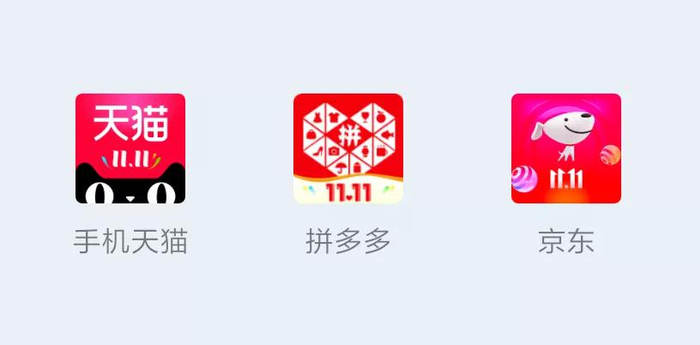
Use platforms like Tmall, JD, or PDD, which focus on domestic Chinese markets, rather than AliExpress, Shein, or Temu, which target overseas markets. Take JD as an example: it has an international business dedicated to selling high-quality foreign products to Chinese consumers. This sector is still in its early growth stage, offering huge opportunities for foreigners with access to premium goods. For food products, Chinese consumers have a strong willingness to pay for high-quality ingredients and seasonings. Even if you’re a remote Norwegian fisherman, as long as you establish sales channels on TikTok, JD, or other e-commerce platforms and share some daily videos, your king crab, lobster, or fish will sell in quantities beyond your imagination. However, these businesses come with clear challenges: you need trustworthy partners or key staff who understand the Chinese market. Doing it alone is nearly impossible.
Second, since we’re talking about self-media platforms, foreigners creating content in China can also be highly profitable. For example, just come to China, make videos praising how amazing and surprising the country is, and you’ll quickly gain a huge Chinese audience, enough to sustain a self-media channel. I’m not racist, but channels run by white people from developed countries like those in Europe or the US tend to have a larger market. Does that mean Black people or those from less developed countries have no market in China? Of course not. China’s top foreign celebrities include NBA stars, most of whom are Black. Kobe Bryant’s influence in China rivals or even surpasses that of Messi or Ronaldo, unmatched by any movie star. Jamaican sprinter Usain Bolt, with his athletic talent, also enjoys massive popularity. But what about ordinary people? Non-American Black people or pure Africans who don’t know jazz or rap? They still have opportunities. The Rwanda Youth Group, a group of young Rwandans, became a sensation in China with over ten million fans across platforms, thanks to their solid singing skills. The most popular member, BAOAN, was a security guard for the group’s leader, BOBO, a local poor person with no exposure to the world. Discovered and promoted, he became a TikTok star, and I often listen to his songs on repeat.

Some countries and regions with special ties to China, like Malaysian Chinese, have a natural advantage on Chinese self-media platforms, as Chinese audiences have a particular fondness for them. A Pakistani guy gained attention on Chinese platforms and even met a local mayor. In short, China has many people eager for validation, and their vanity craves fulfillment from foreigners. China also has a large audience that appreciates talent, regardless of the performer’s nationality, skin color, or religion. As long as you have exceptional talent, you’ll find a place on China’s internet platforms.
Third, teaching foreign languages, especially English. Chinese people have an inexplicable obsession with English, unlike Japan. China’s emphasis on English education is almost fanatical. English is taught from primary school, and in middle and high school, it ranks as one of the three core subjects alongside Chinese and math, far above physics, chemistry, biology, politics, history, or geography. Although 80% of Chinese university graduates end up working on assembly lines or delivering food in the rain, and 99% won’t work abroad, this doesn’t stop parents from raising their kids to Ivy League standards. A fluent English-speaking foreigner, even with just a high school diploma, can easily find well-paying jobs at training institutions across China’s big, medium, and small cities. Even in my hometown, a fifth-tier city, many parents are willing to pay high fees for authentic foreigners to teach their kids English. Other major languages like Spanish, French, German, or Portuguese also have strong markets in China. For instance, Portuguese has become a hot language due to deepening trade ties between China and Brazil, with translation salaries rising sharply.
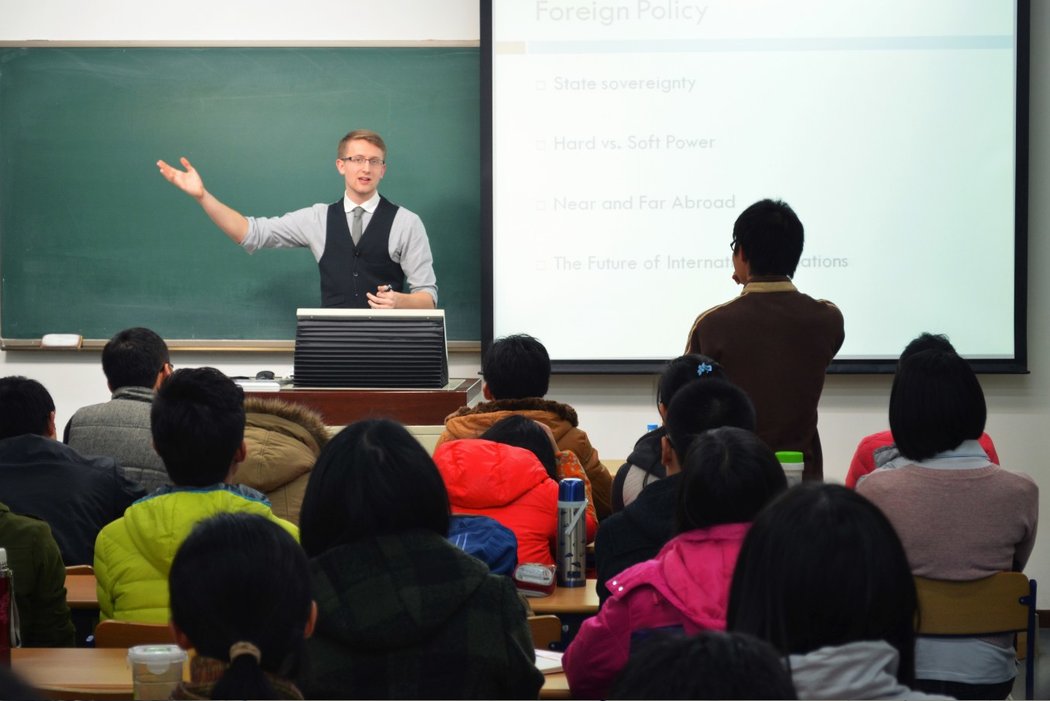
Here’s a joke for entertainment: many English teachers in training institutions aren’t from the UK, the US, or Five Eyes countries, or even South Africa. Many come from Eastern Europe. Their English is only slightly better than local Chinese English teachers, but their white appearance wins over parents. In many parents’ eyes, the world is divided into two parts: 1) China, and 2) foreign countries, where everyone speaks English.
You might be a failure in the US, struggling to make ends meet. But buy a plane ticket to Shanghai or Shenzhen, and finding a job as an English teacher isn’t hard. You’ll discover a new door opening: you’re a respected English teacher with a good income, and many attractive Chinese women will show interest. If you start a social media account and occasionally say things like “China is number one!” or “China is awesome!”, congratulations, you’ve unlocked a new, successful life in China. You don’t need to worry about your high school diploma being exposed; Chinese people pay for the emotional value you provide. Many so-called “easy girls” in China see you as a rare commodity, so you can enjoy it without complications.
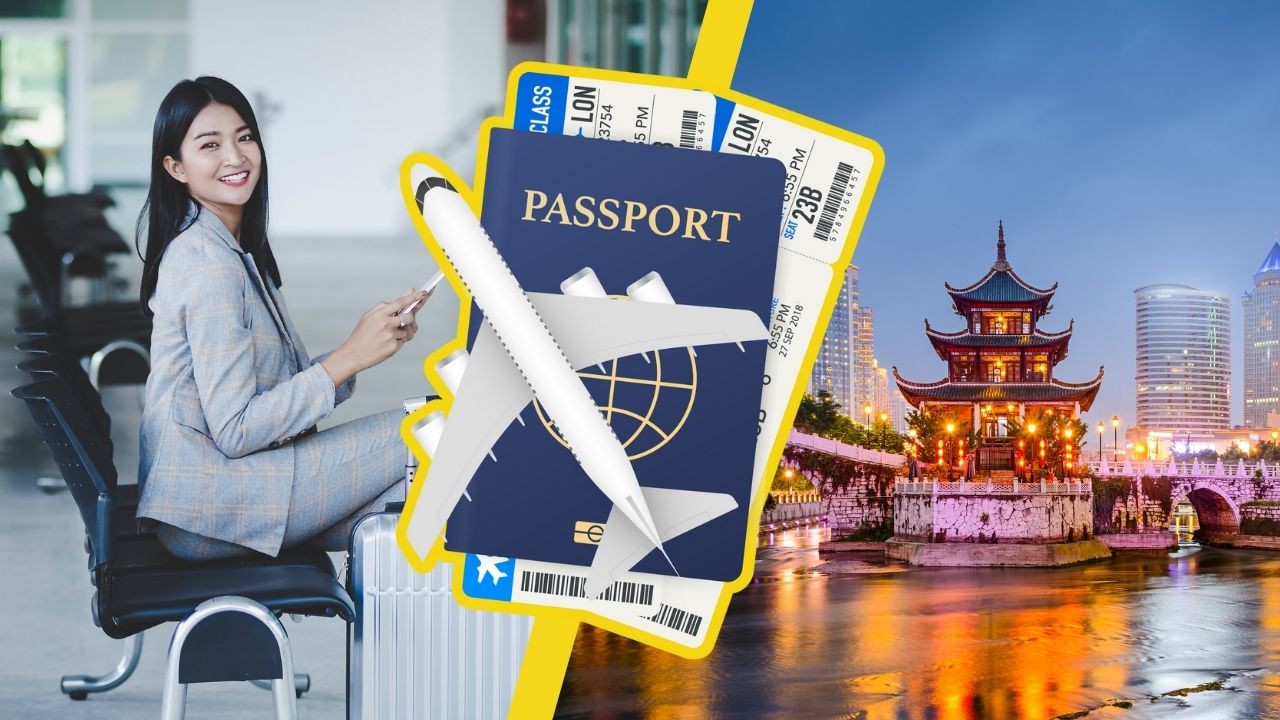
In summary, China is a highly unified, massive market. Although about 10% of the population are ethnic minorities, daily work and life in Chinese society are heavily Han-centric. If you master Chinese, you can navigate China’s vast territory freely and unlock endless new lifestyles. Chinese consumers have a strong appetite for new things. As long as you leverage your strengths, offer products or cultural elements unique to your country, or even just provide emotional value, you can earn substantial money. This video is just a brief overview. In the future, I’ll gradually share more ideas for making money in the Chinese market, focusing on one topic per video in greater depth to provide detailed references. I’ll also create videos on the basics of coming to China and working or doing business here. If you’re interested in these topics, please follow my channel. I update irregularly, and I welcome your comments and discussions.