Backlash from the Malay Community Over Chinese Fleet Visit to Malaysia
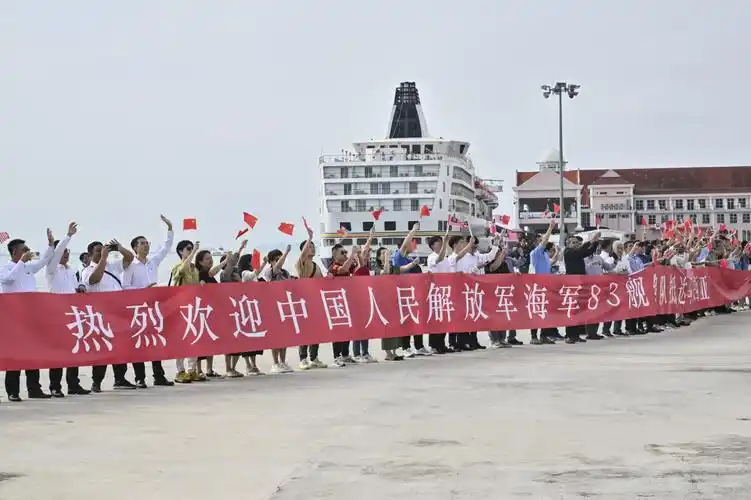
A Chinese naval fleet’s visit to Malaysia sparked a strong reaction within the Malay community. The accompanying naval academy students wore their uniforms while visiting a local Chinese-Malaysian school, which angered many Malays. They viewed it as a display of force by China and an infringement on Malaysian sovereignty.
Deep Division and Antagonism within the Malaysian Chinese Community
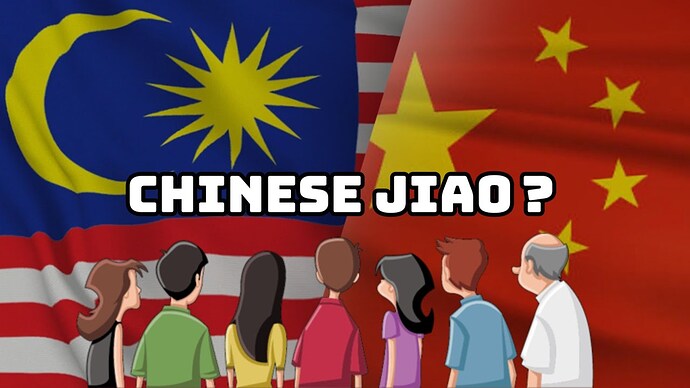
The Malaysian Chinese community is severely fractured. Some pro-China individuals are even referred to as “Chinese glue” a term that not only angers Malays but is also viewed with disgust by some local Chinese.
Historical Contributions of Southeast Asian Chinese
Historically, early Chinese immigrants were deeply patriotic toward China. They worked hard to make a living in foreign lands, facing exploitation by colonial powers and exclusion from local populations. During China’s all-out war against Japan, they donated generously and many even returned to fight, showing their deep affection for China. They owe China nothing in return.
The Link Between Anti-Communism and Anti-Chinese Sentiment in Southeast Asia
After China’s civil war ended, the nation’s ideology led it to export revolution to Southeast Asia. This resulted in Southeast Asian countries generally associating anti-communism with anti-Chinese sentiment. Governments semi-publicly supported the oppression of ethnic Chinese, while the Chinese government failed to provide effective protection for them.
Southeast Asian Chinese Sentiments and Identity
Even during China’s poorest times, Southeast Asian Chinese would send money and goods back to help relatives struggling on the mainland. Today, as China’s economic, military, and technological power grows, many ethnic Chinese in Malaysia and Indonesia still feel a strong sense of identity with China and take pride in its achievements. For people in China, Southeast Asian Chinese are seen as culturally similar, despite their different nationalities. This cultural identity, they believe, has nothing to do with their passports.
Other Ethnic Groups Retaining Cultural Identity
The author points to other examples of cultural preservation: Scottish Americans hold grand parades on holidays, wearing kilts and playing bagpipes. Italian Americans have not abandoned Catholicism for Protestantism. Indigenous Canadians do not hide their customs. When Indian Prime Minister Modi visited Canada, many Indian Canadians warmly welcomed him on the streets, and no one would accuse India of a show of force if its naval ships brought academy students to visit a school for Indian Canadians.
A Perspective on the Chinese Fleet’s Visit to Malaysia
The Chinese fleet’s visit was coordinated with the Malaysian government and was not a display of force. Given its national strength, China has no need to show off its military power by sending a fleet to Malaysia. It is only natural for Chinese people to want to visit Chinese communities and schools. The anger this visit caused among Malays is a problem within the Malay community itself.
Advice for Malaysian Chinese
Malaysian Chinese have no fault in this matter. Malaysia is their political homeland, and China is their cultural root. As Malaysian citizens, they have the right to fight for Malaysia if a war were to break out, but only if the country loves them and is worth fighting for. The author advises Malaysian Chinese to admit their mistakes when they make them but not to back down in the face of unreasonable accusations.
The Need for National Unity in Malaysia
Malaysia needs to unite all its ethnic groups—Malays, Chinese, and Indians—to work together. This cannot come at the expense of Chinese interests or by dividing the Chinese community.
China Has No Ambitions in Southeast Asia and a View on “Chinese Glue”
Accusing China of having ambitions in Southeast Asia is unwise. China has no such intentions toward Singapore, a country with a large ethnic Chinese population, and therefore has no intentions toward Malaysia. If China truly wanted to invade Malaysia, it wouldn’t need the help of local Chinese. The author believes that Southeast Asian Chinese who love China, the “Chinese glue,” should not be ashamed of their identity. They are welcome to live in China if they wish, but modern China does not need them to sacrifice their rights to help. Politically, China is a foreign country to them.
Hopes for Overseas Chinese and a Concluding Question
The author hopes that overseas Chinese will first take care of themselves and their families. If they are ever in danger, public opinion in China today would not allow the government to stand by. The text concludes with a question: Is the existence of “Chinese glue” due to the fact that Chinese people cannot forget China, or is it because Southeast Asian countries have never made them feel a sense of belonging? And is this all the fault of the Chinese?