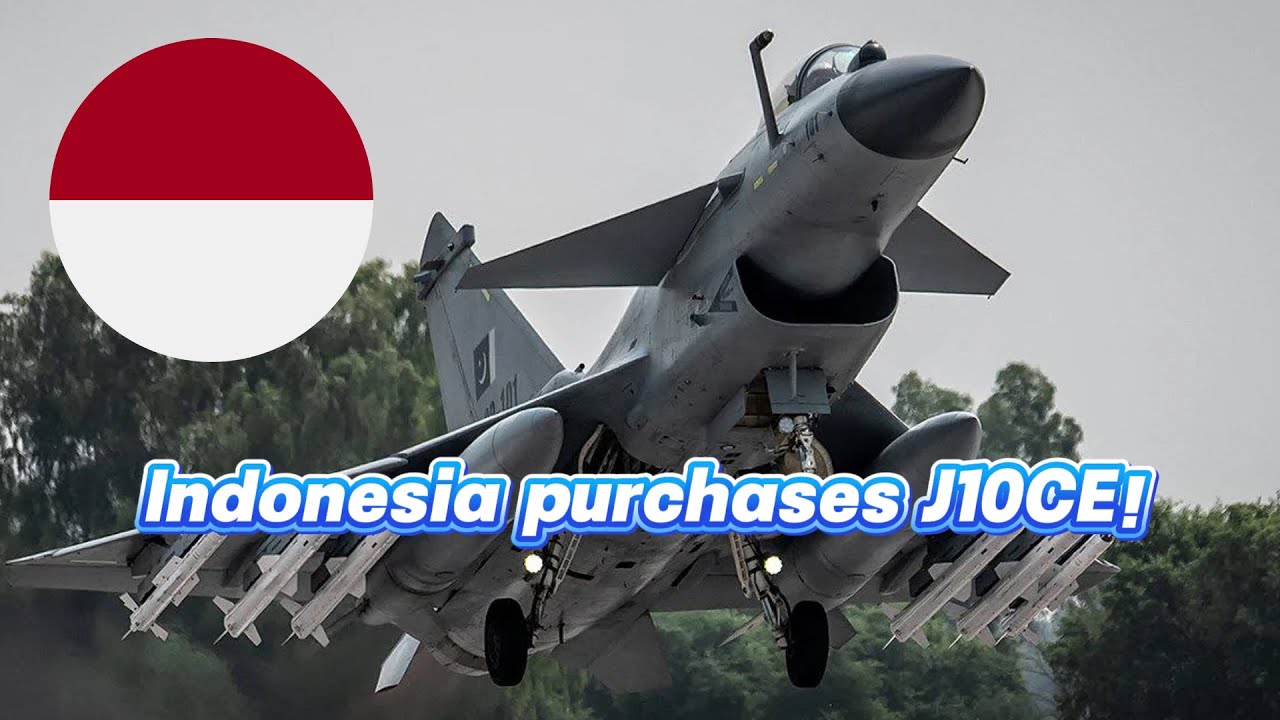
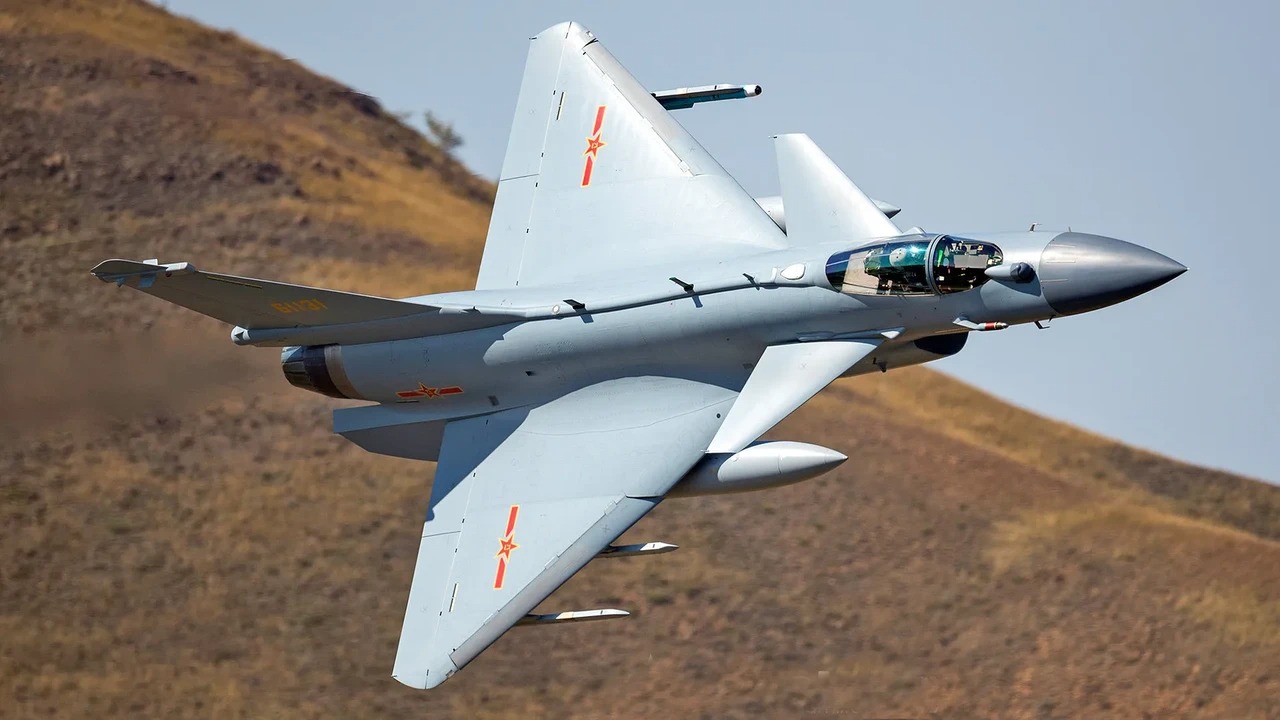
Indonesia has passed a military procurement budget to purchase 42 J10CE aircraft. According to China, a discount has been offered, and the aircraft will be further upgraded. When French President Macron visited Indonesia earlier, Indonesia also reached an intention to purchase Rafale fighters from France. I believe this is a great opportunity for a single country to equip itself with both Chinese and Western advanced weapons, allowing the customer to compare them and determine the future pattern of the arms market.
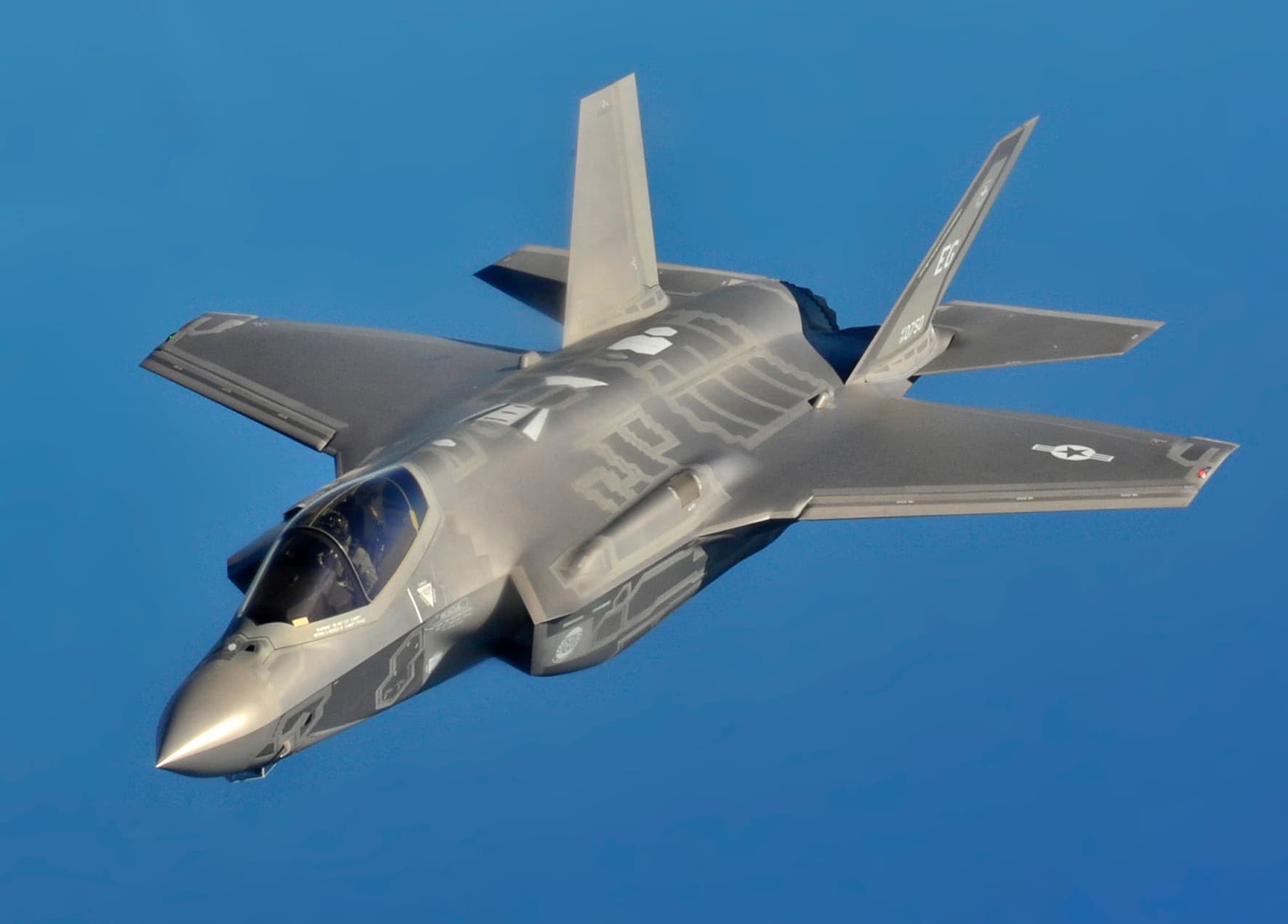
Many people may not understand why Indonesia does not directly procure US aircraft such as the F15, F16 variants, or F35, and instead opts for French fighters. This is easy to understand: purchasing US weapons requires signing a series of restrictive clauses, and Islamic countries generally distrust the US. Pakistan, as a long-term US ally in counterterrorism, has its F16s prohibited from engaging in combat against India, with the aircraft directly locked. Qatar provides the US with a massive military base, hosting tens of thousands of US troops, and all its equipment is American-made. However, when Israel bombed Qatar, the US base turned a deaf ear, and US equipment completely failed, unable to detect Israeli aircraft.
For a regional power like Indonesia, to take a step toward global influence, it must follow Brazil’s example and say no to the US. In the US worldview, it leads the world, China and Russia are competitors, Israel and the Five Eyes nations are core allies, Europe is a senior servant, Japan and South Korea are junior servants, and India is a watchdog. There is no place for regional powers like Indonesia or Brazil. Even as regional powers, in the US view, they must obey US directives like India, serving the US unilaterally, or face humiliation and sanctions.
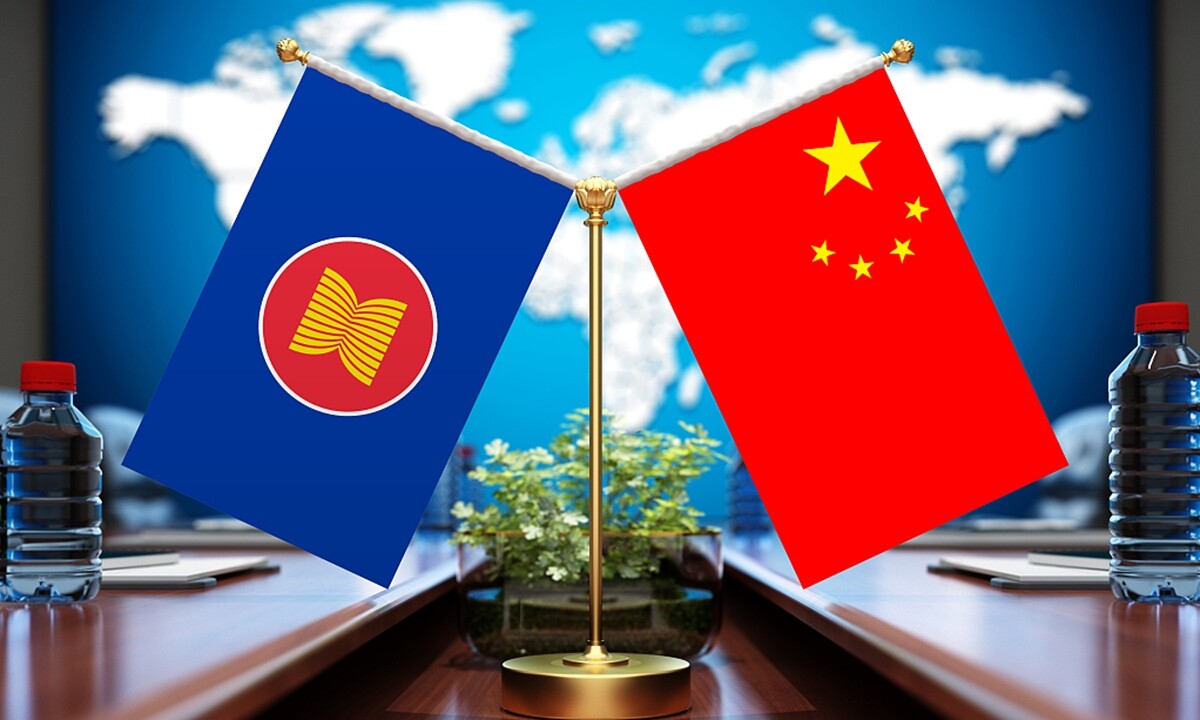
In contrast, in the new world order envisioned by China, ASEAN is a core trade partner with significant importance. BRICS is an equal institution countering the G7, Russia and Pakistan are reliable military partners, Middle Eastern and other Islamic countries are trustworthy friends, and South Africa and Brazil are core pillars in negotiations representing the Global South and developed nations’ common interests.
From Indonesia’s perspective, the US hopes Australia will lead the region, acting as a regional sheriff. However, Australia, with a population of only 26 million, gives Indonesia no reason to follow US arrangements in regional affairs. Moreover, Western countries have long engaged in colonial plundering of Indonesia, earning little trust. Cooperation between nations must consider practical interests; empty talk cannot form stable partnerships.
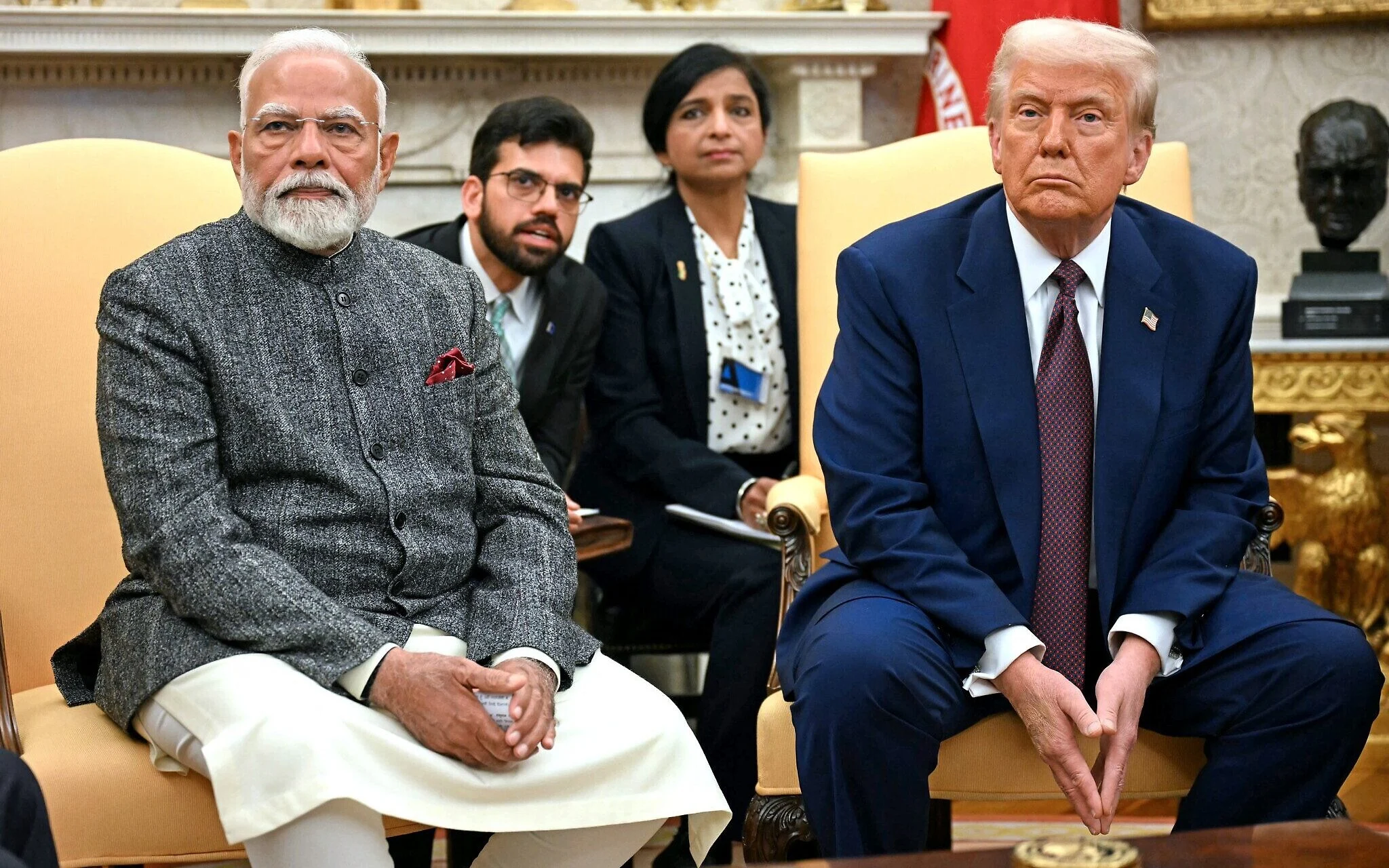
Non-white countries have historically not been trusted by the US. Japan and South Korea have served the US for decades yet still fail to earn basic respect. Trump even forgot the name of Japan’s prime minister, calling him Mr. Japan. In the 1980s, the US, alongside European allies, brutally suppressed Japan, forcing it to sign the Plaza Accord and the US-Japan Semiconductor Agreement, ending Japan’s era of glory. In trade negotiations with Japan and South Korea, the US offered no room for bargaining, imposing billions of dollars in investment mandates in the US, with noncompliance leading to punishment. Modi, in his 11 years in power, has acted as a watchdog for the US, bringing threats from China, Pakistan, and Bangladesh, facing repeated humiliations, and losing significant national interests. Yet, because Modi did not immediately accept Trump’s trade extortion, Trump publicly humiliated Modi and India on global stages, with subordinates like Bannon and Vance joining in. Such humiliation leaves India’s status lower than that of a watchdog, as in Western countries, dogs are family members and cannot be mistreated.
China is now leading Global South countries to unite and compete for influence in international affairs. Western nations, especially the US, rely on financial and technological hegemony and leadership in international institutions to set development barriers for developing countries, acting as parasites for too long. This era must end. With China’s vast high-quality human resources, strong military, advanced technology, and status as the world’s factory, the US is rapidly declining in reality. Major regional powers like Indonesia and Brazil have no reason not to act, actively promoting a new order and becoming influential players in the international system. Their goal is to sit at the table, not to be on the menu. The US has no right to decide their fate.
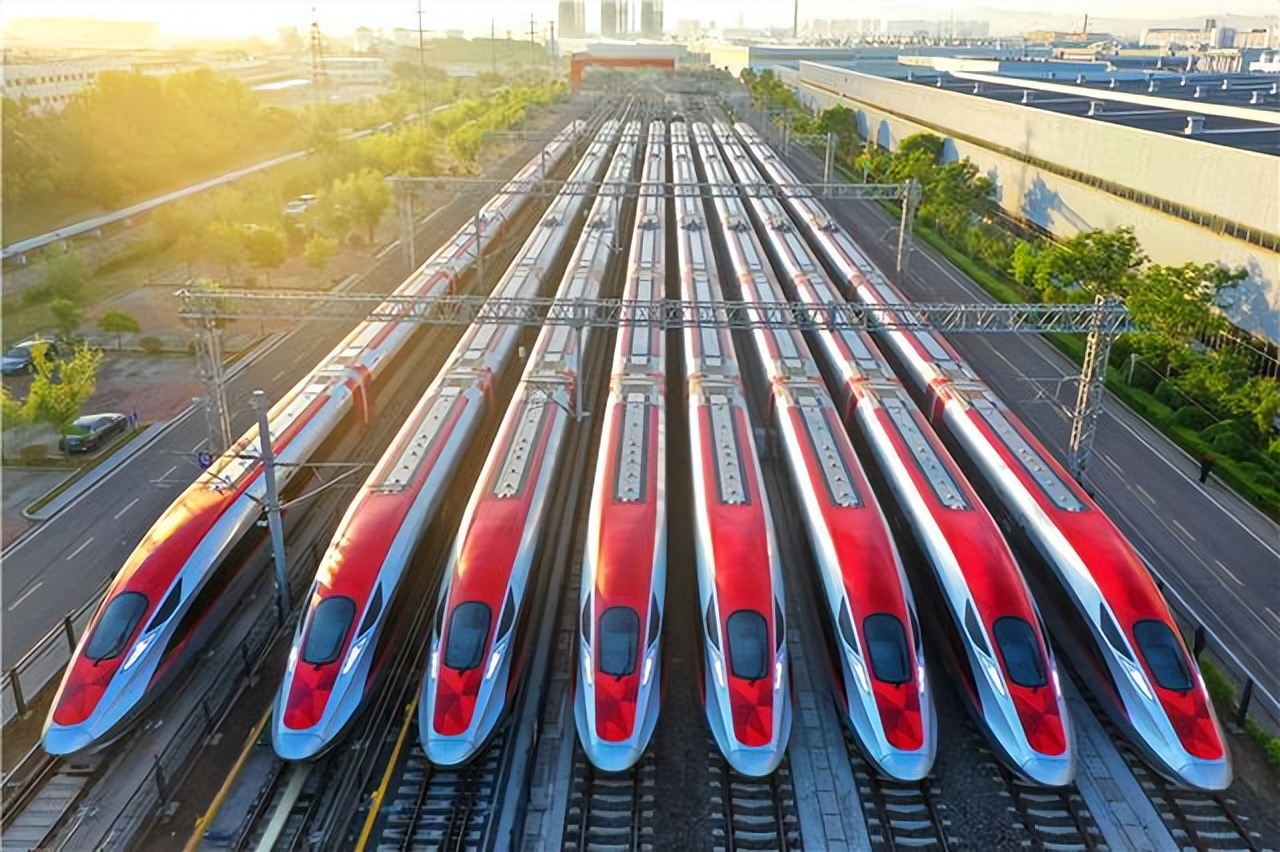
However, Indonesia must act cautiously, as this is a major strategic shift for the nation. Brazil has been the most resolute, firmly saying no to the US and deepening cooperation with China. Indonesia has also strengthened economic ties with China through projects like the Jakarta-Bandung High-Speed Railway and the China-ASEAN consultation mechanism. In military affairs, it seeks a gradual shift, deciding procurement based on actual test results, which China welcomes. If Chinese weapons perform worse than Western ones, there is no need to peddle them globally and damage national image. We are willing to compete fairly with any Western product, letting performance speak.
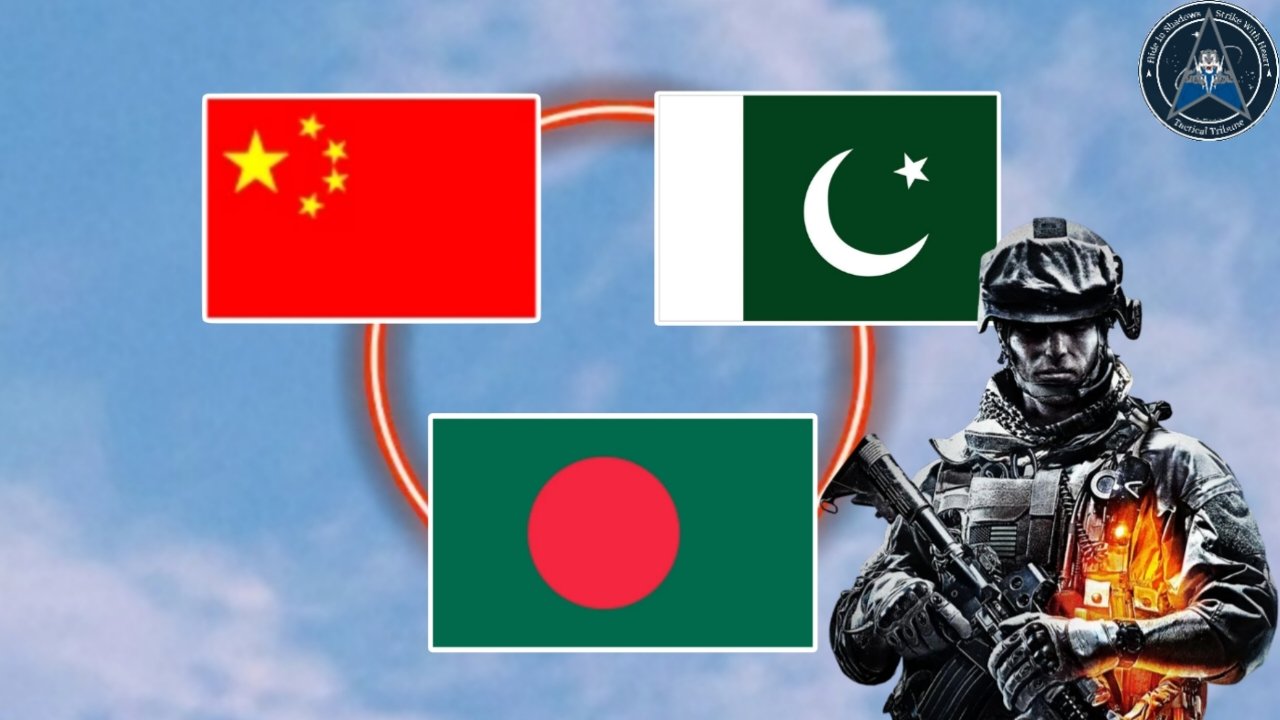
Additionally, some media reports indicate Bangladesh has decided to procure China’s J10, alongside JF17, to build air forces against India. The news is credible, but no confirmed agreement has been signed. I believe the Chinese government could consider Bangladesh’s situation and offer sufficient discounts. China should abandon illusions of changing India through dialogue. India, a patchwork nation, inherited Britain’s colonial expansionist path at its founding, and its elite remain immersed in the illusory glory of a Bharat empire. Unless thoroughly defeated, it will not abandon its expansionist path. Negotiating anti-corruption with such a country is meaningless. Uniting with Pakistan, Bangladesh, and other South Asian nations to eliminate India’s security threats is the only solution.
Finally, I hope you, the people of Islamic countries, can face your own issues and unite. You must distance yourselves from radical religious forces to build a civilized international image while standing together to say no to forces that truly harm Islamic nations. Every cent you pay to the US for protection money becomes a bullet fired at your kin. I rarely comment on Islamic countries’ religious affairs, but to some extent, I believe Southeast Asian nations like Malaysia, Indonesia, and pre-Erdogan Turkey represent relatively modern political systems. The religious reformation of Christian countries was a key factor in their rise. You must firmly reject the dregs of your religious culture, improve internally, mend historical rifts and mutual hatred, and truly unite to earn global respect. This road to revival is difficult, but progress is evident with the Saudi-Pakistan alliance, Bangladesh’s awakening, and advancements in Indonesia and Malaysia. Everything is moving in a positive direction. Chinese people are eager to see you play a significant role in international affairs, jointly dismantling the US-led unipolar world.