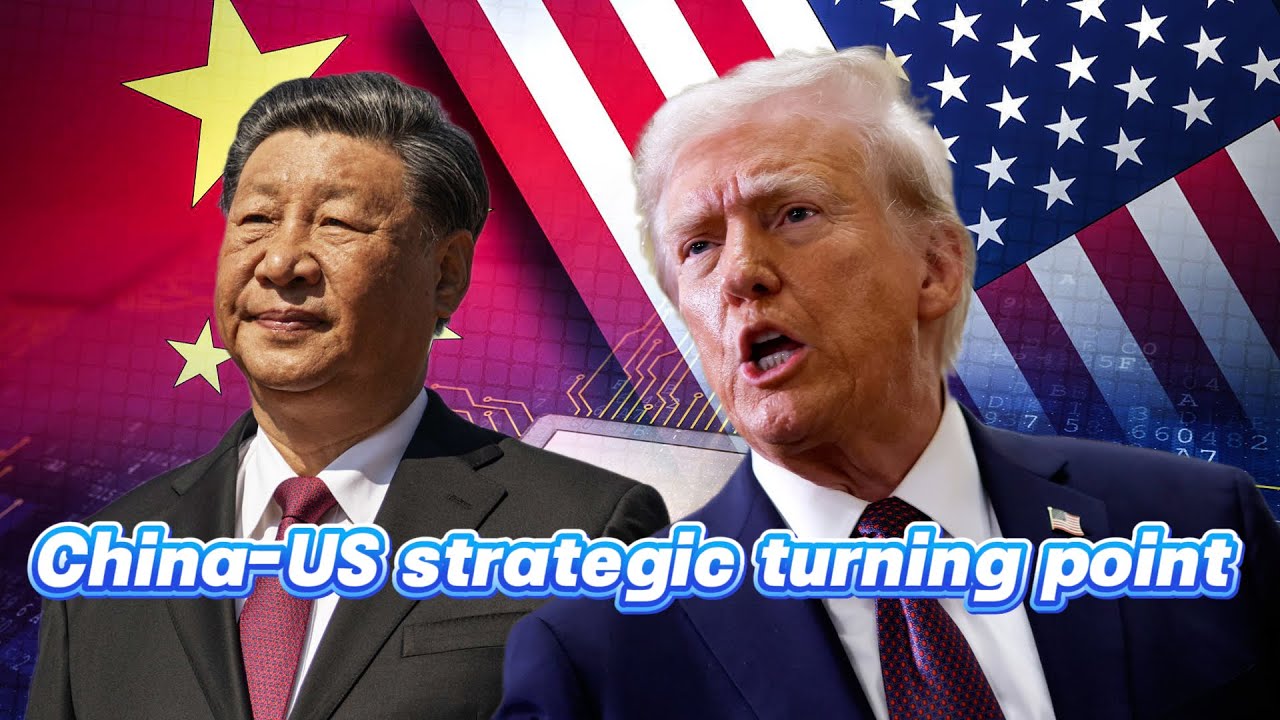
The United States imposed high port service fees on Chinese ships and a 100 percent tariff on Chinese goods, resulting in total tariffs ranging from 130 percent to 145 percent. This appears aggressive, yet few people in China pay attention to this news. This contrasts sharply with the extensive coverage by American and Western media of China’s comprehensive rare earth restrictions, suggesting that Chinese people have become desensitized to trade and technology wars. Honestly, even if ordinary citizens previously ignored White House news, China’s elite would actively discuss it in online communities. They believed the US-led international order and White House policies toward China significantly impacted China’s and their own futures. Consequently, after the US launched trade and technology wars in 2018, many Chinese entrepreneurs and private capital fled China to hedge risks. The immigration wave was so massive that it overwhelmed Chinese immigration agencies, allowing many scammers without qualifications to easily defraud large sums of money.
However, after Trump returned to the White House in 2025, Chinese people began viewing his actions as comedic performances. Few care about what he intends to do, focusing instead on the entertainment value of his actions and gossip, such as Trump’s 19-year-old son earning 80 million dollars in cryptocurrency ventures. For Chinese people, the US has shifted from a dominant force determining their quality of life to a distant stranger. Under the US’s roughly 45 percent tariff burden, goods still exported to the US are essentially irreplaceable. Whether or not the additional 100 percent tariff is imposed, Americans will buy them, just in varying quantities. After repeated US threats and hearing “the wolf is coming” too many times, Chinese companies and citizens have long classified the US as a risky market and stopped prioritizing it.
In recent years, China has made mistakes, such as excessive real estate regulations that stalled one of its core economic engines. However, foreign trade has maintained solid growth despite US pressure. Chinese companies offset losses in the US market through industrial upgrades and new market exploration, making the export structure safer and healthier. The biggest issue for China’s economy remains the uncertainty from trade and technology wars, which dampens consumer confidence and poses the real danger. Thus, public confidence in the nation’s future largely determines the direction of the China US trade war and China’s economic prospects.
Fortunately, the technology war initiated by the US has fizzled out. Wall Street’s hyped AI-generated content technology bubble is weakening, as its created value cannot support its valuation exceeding ten trillion dollars. More embarrassingly for the US, China’s large-scale AI models have rapidly caught up. Benefiting from a complete industrial system and vast production capacity, China integrates AI faster and more broadly than the US, reaping significant late-mover advantages. For example, Chinese medical equipment companies used AI to develop new ultra-high-speed, high-precision CT scanners, achieving world-leading performance while significantly lowering prices.
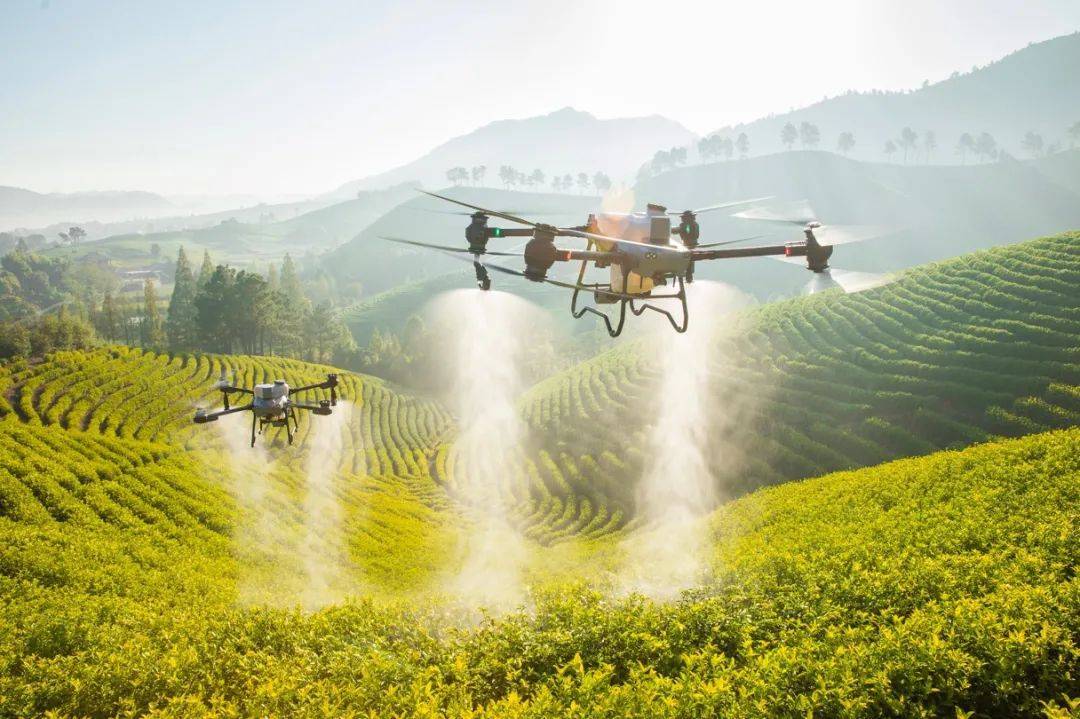
China’s farms have surpassed the US and Western countries in automation, with companies like DJI, XAG, and AiForce leading in drones and smart agricultural machinery. These products have reached the forefront of rural production, modernizing agriculture even in complex terrains where traditional mechanization struggled. China’s chip industry has used AI to improve traditional lithography, shortening product validation cycles and optimizing parameters. This has been crucial to the successful trial production of immersion DUV and the technical validation of EUV lithography machines.
Meanwhile, leading US AI companies like OpenAI and Google focus on generating entertaining images and short videos, pursuing entirely different directions. Even in the AGI field, ByteDance’s Kling, under TikTok’s parent company, performs equally well. Leveraging ByteDance’s ecosystem and CapCut, Kling has built an AI-generated content ecosystem closer to enterprise production needs, widely serving global corporate clients. This contrasts with the entertainment-focused Sora2.

As China and the US fully confront each other to seize productivity and technological dominance, whoever first delivers effective productivity improvements and builds a more efficient economic system will gain the strategic initiative and advantage in this competition. Contrary to foreign predictions doubting China’s chip industry, China completed immersion DUV trial production in the third quarter of 2025 and launched an EUV validation machine in the fourth quarter, a confirmed fact. Thus, after Trump provoked China with port service fees and added dozens of new companies to the entity list, China responded with long-prepared comprehensive rare earth restrictions and reciprocal port service fees on US ships. All of China’s sanctions took effect immediately, with no intention of negotiating with the US. In contrast, the US announced its measures would start on November 1. After less than two days of toughness, Trump softened, expressing willingness to negotiate with China.
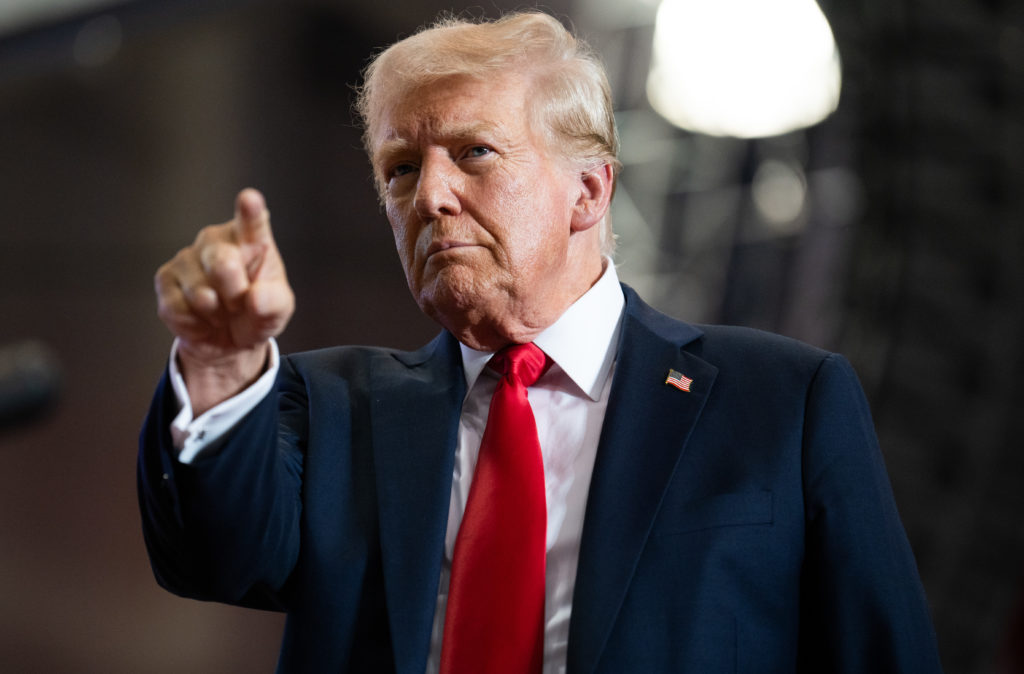
Yes, he backed down again. Trump does not care about performing like a clown. His family and backers profit immensely by issuing cryptocurrencies, shorting on bad news, or buying on favorable news. When national issues arise and voters blame him, he simply shifts the blame to the Democrats and Biden.
Such a clown leading the US terrifies countries and companies that sided with the US in the China US trade and technology wars, as such a nation cannot defeat China. They must consider their own futures. Take ASML, for example. Despite relying on US core technology, it dares not fully comply with US export bans and secretly sold many DUV machines to China, buying China valuable time before its domestic equipment was ready. TSMC was also caught taking orders from Chinese shell companies to sell capacity. These decisions are not purely for commercial gain; these companies cannot afford to completely break with China, or they risk being crushed by Chinese sanctions, which the US cannot protect them from.
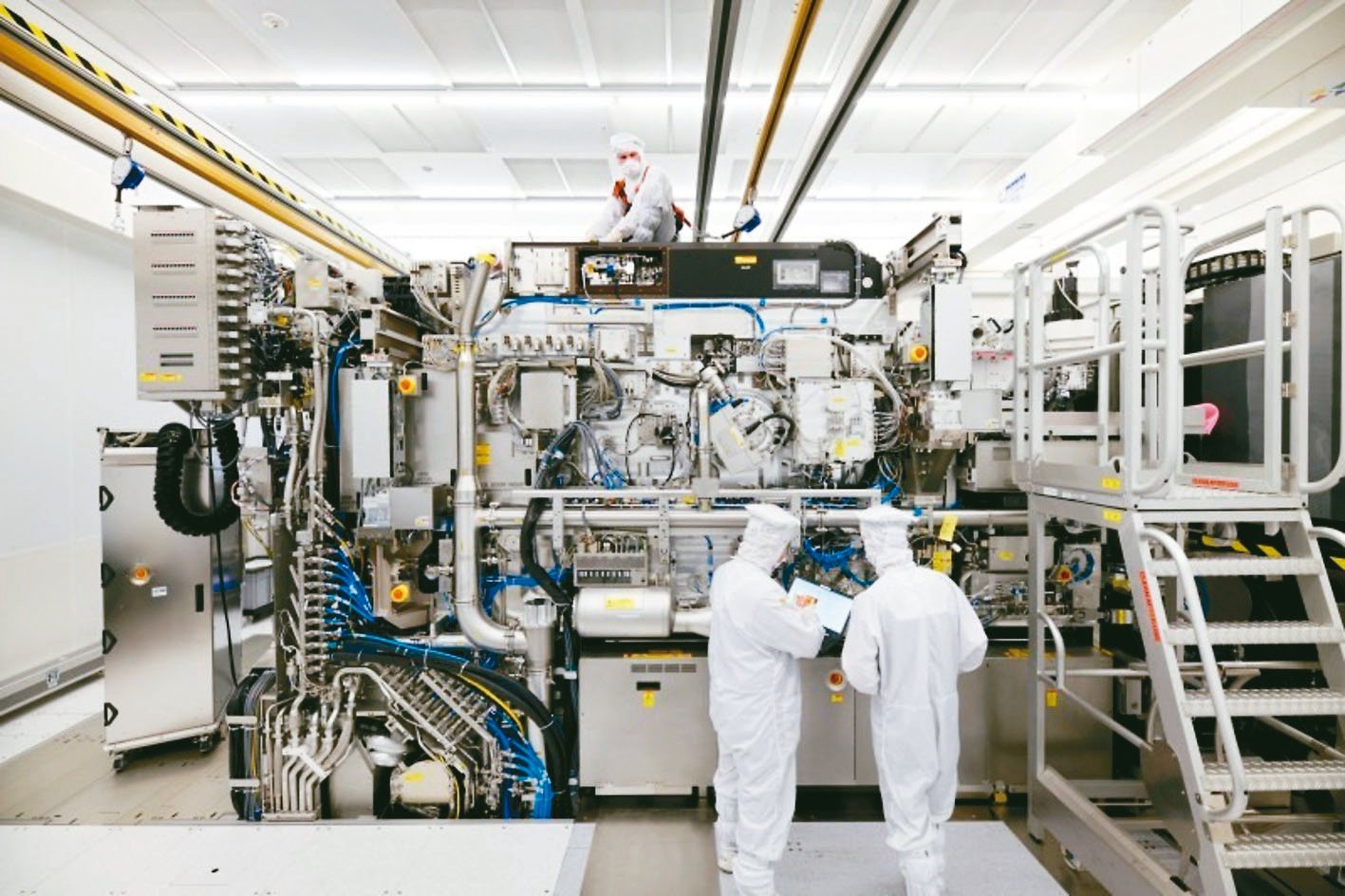
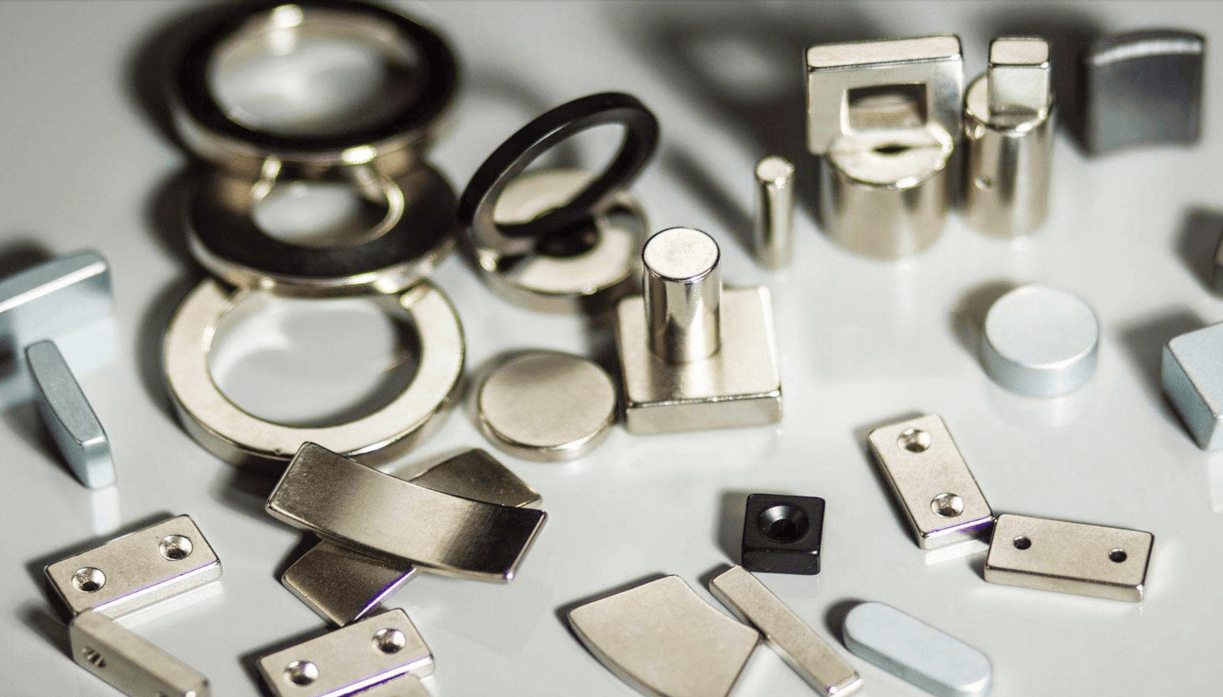
Take the unprecedented rare earth restriction order as an example. If ASML and TSMC were placed on China’s sanction list, their survival would be nearly impossible. US sanctions might shock them, but China’s could make them vanish. ASML’s core components heavily rely on rare earth products, and TSMC’s processes depend on rare earth parts. Both companies use large amounts of easily traceable medium rare earth elements, where China’s control is nearly 100 percent. Once listed, they would shut down and stop production after depleting their inventories.
The strategic shift in the technology battlefield has greatly boosted domestic morale in China. On the economic front, US tariff tactics have made Chinese society immune. Those still worried that China might lose to the US in this confrontation and thus lose its national destiny are now a tiny minority. I believe that as China continues its counteroffensive in the technology battlefield, growing confidence among Chinese people will lead more countries to join China’s side and say no to US hegemony. This includes not only BRICS nations like Russia and Brazil but also core US allies like Canada, the EU, Australia, Japan, and South Korea, who will carefully reconsider their positions and avoid recklessly serving as US cannon fodder.
Therefore, I believe the turning point in the China US competition has clearly arrived. It is no longer a prediction but a reality unfolding. As long as Chinese people remain humble, cautious, and neither arrogant nor impatient, building a new world order is not a dream.