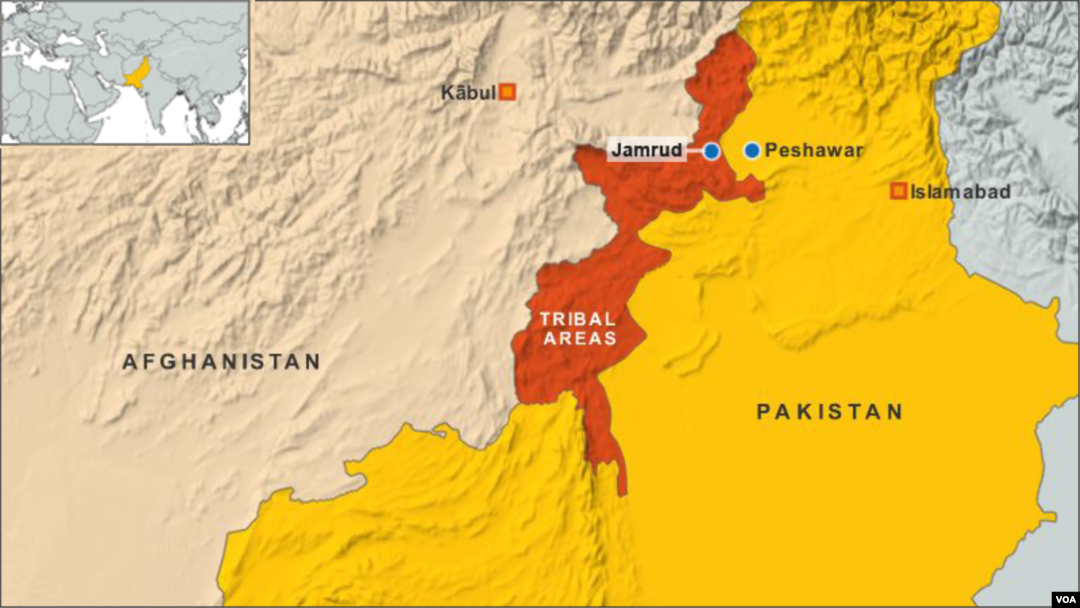
Some netizens asked me to comment on the conflict between Pakistan and Afghanistan. Honestly, I’ve never been particularly interested because a war near China is generally not good for us. Pakistan’s efforts to combat the Tehrik-i-Taliban Pakistan, or TTP, are understandable, as this is a necessary step toward becoming a modern nation. It can no longer tolerate rampant separatist forces within its borders. Border conflicts and territorial disputes with Afghanistan are not the core issue in my view. The central government must decisively eliminate local separatist forces. From China’s perspective, we hope Pakistan can address the local powers in Balochistan and among the Pashtun population to form a strong, centralized government. The China-Pakistan Economic Corridor runs through the entire country, and China wants it to be secure. Therefore, China not only helps Pakistan counter pressure from India and safeguard Pakistan-controlled Kashmir and the India-Pakistan border but also assists in combating domestic extremist groups through drones and satellite intelligence.
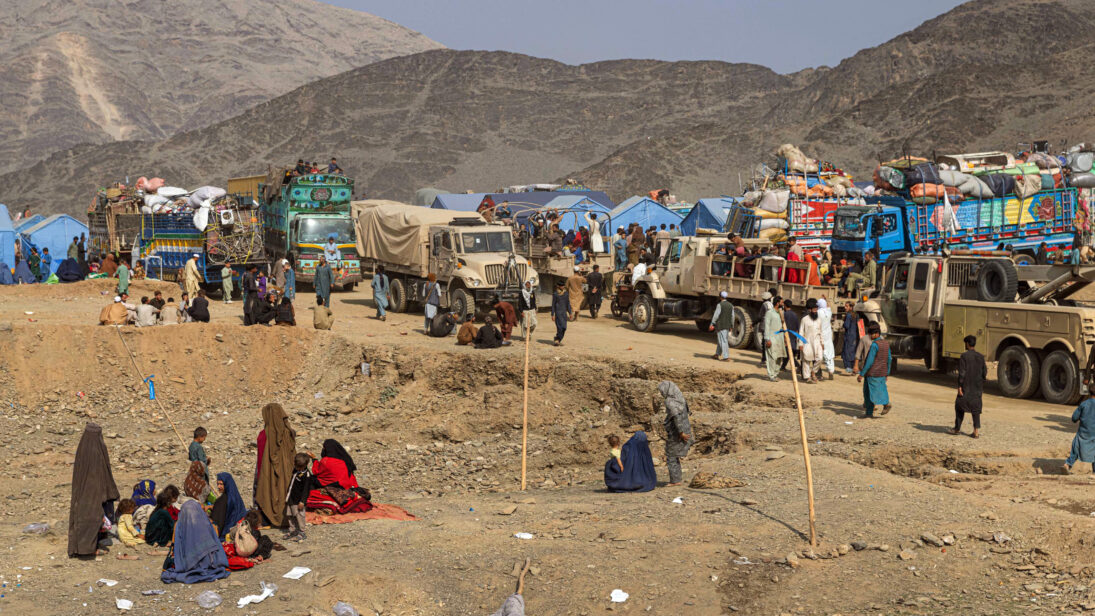
There’s a shadow of the United States behind the Pakistan-Taliban conflict. General Munir and Prime Minister Sharif visited the US and received high-level courtesy. Beyond gathering intelligence on Iran and China, I believe the US wants Pakistan to pressure the Taliban into relinquishing control of Bagram Air Base. Then, Trump could step in to mediate the dispute, earning points for another Nobel Peace Prize—a perfect plan.
From the perspective of Saudi Arabia and other Gulf states, they are concerned about the unchecked expansion of extremist forces. Saudi Arabia recently signed a military alliance treaty with Pakistan, injecting significant funds to expand its military. Engaging in a conflict with Afghanistan now serves as high-intensity training, achieving multiple goals. If Pakistan can’t even defeat the Taliban, Saudi Arabia shouldn’t expect it to counter Israel. It might as well continue paying protection fees to the US.
If Pakistan disciplines the Taliban, the latter will recognize its own limits and become more open to major powers. Given the Taliban’s natural hostility toward the US, this could create more opportunities for China to benefit. Many parties are happy to see Pakistan and the Taliban clash, as it brings multiple advantages to Pakistan itself. This conflict was bound to happen and is not surprising.
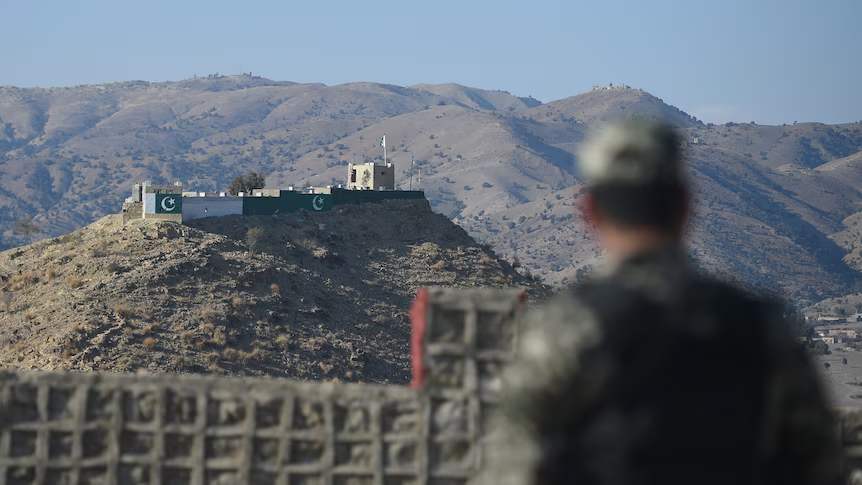
However, I have another concern: once a country embarks on a militarized path, it’s hard to turn back. Pakistan’s military holds too much national power and resources. Ongoing wars and conflicts will further strengthen the military’s position. Aid from Saudi Arabia, China, or the US will consolidate a powerful interest group within the military, pushing the country further and faster down the path of militarization. Becoming a normal nation afterward will be challenging.
Nevertheless, I personally support the Pakistani military’s tough actions. Pakistan is too fragmented. In past confrontations with India, it has largely relied on Punjab and Sindh provinces to sustain the nation. In areas controlled by Baloch and Pashtun populations, the central government’s authority is weak, posing a significant risk if the country faces full-scale war. Only by demonstrating strength and subduing local and foreign interfering forces can the central government negotiate peace with local groups. Otherwise, it will face endless extortion and never truly unify the nation.
I urge Pakistanis to stay clear-headed. Force can never win hearts and minds. Look at Russia’s rule over Baltic states, Ukraine, or even Poland for so long—yet it failed to win over their people. Pakistan must not follow Russia’s path. It should share benefits and pursue collective development, adopting China’s approach to managing ethnic minorities for long-term stability.
Take Balochistan as an example. The central government could allocate more profit dividends to the region. I believe issues that can be resolved with money are more cost-effective than using force. Military action creates cycles of hatred that, once started, are hard to break. Even a nation like Germany, built by military aristocrats through constant wars, couldn’t win forever—let alone Pakistan.
I wish our Pakistani brothers success on the battlefield and hope they negotiate with Afghanistan soon. Peace is ultimately the right path, no question about it. As for Afghans, they must adhere to international order and respect modern diplomatic norms, not rely solely on tribal militias and religious thinking to solve problems. Only then can they gain broad international recognition and bring real benefits to Afghanistan. Driving out the Soviets and Americans on donkeys was brave, but remaining at the donkey-riding stage is a disgrace to humanity. Embracing civilization and modernization is the rational choice for any nation.