Introduction: The Battle for the AI “High Ground” in the Tech Cold War
Artificial Intelligence (AI) has become the most critical “high ground” in the Sino-US technology competition. In this protracted tech war, the US-based NVIDIA and China’s Huawei are undoubtedly the two core executors determining the course of the battle.
Recently, the two giants have engaged in a highly strategic contest over the layout of AI computing infrastructure. On one hand, Huawei announced its ambitious three-year (2026-2028) AI counterattack plan, centered on system-level innovation to replace NVIDIA’s leading position in the domestic market; on the other hand, NVIDIA’s China-specific chip, the H20, which has been subject to twists and turns, suddenly received an “unbanning” of its export license, introducing a new variable to China’s AI compute market, which was already shifting towards localization.
This competition is no longer a simple comparison of chip performance but a comprehensive zero-sum game regarding ecosystem, system architecture, and national strategic resilience.
Round 1: Huawei’s “Asymmetric” Cluster Breakthrough
Facing strict US restrictions on advanced semiconductor manufacturing processes (such as EUV lithography machines), Huawei clearly recognizes that the performance of a single AI chip (GPU) cannot surpass NVIDIA’s cutting-edge products in the short term. As Huawei Rotating Chairman Xu Zhijun stated, China’s semiconductor manufacturing process will remain in a backward state for a considerable time.
Huawei’s strategy has therefore shifted to “asymmetric competition”—using system innovation to compensate for single-chip deficiencies.
1. Core Strategy: Super Node and Super Cluster
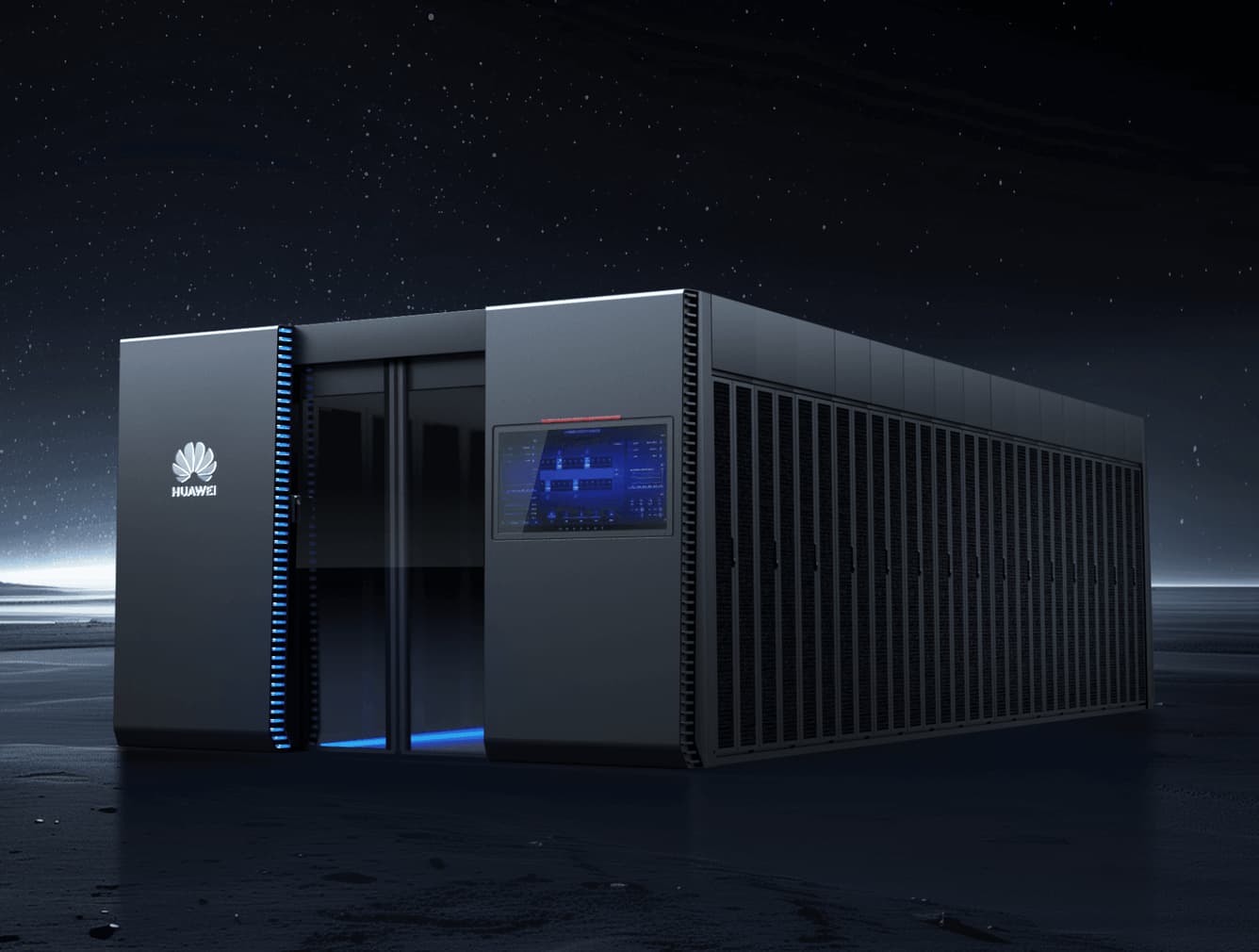
Huawei’s three-year AI blueprint no longer focuses on the power of an individual “soldier” but is dedicated to building a powerful “army.” Its core strategy can be summarized as Scale-Up (Vertical Scaling) and Scale-Out (Horizontal Scaling):
-
New Chip Series: Launching the Ascend (昇腾) 950 (including the PR version for prefill/recommendation and the DT version for decode/training), 960, and 970 AI chip series, alongside the Kunpeng (鲲鹏) 950 CPU.
-
System-Level Innovation: Introducing the pioneering Super Node Interconnection Technology called Unified Bus (UB) (灵衢). This is the key reason why Huawei is confident in simultaneously launching chips, Super Nodes, and Super Clusters.
-
Staggering Scale: Based on the Ascend 950 DT, Huawei plans to launch the Atlas 950 Super Node in the fourth quarter of 2026, integrating an astonishing 8,192 Ascend cards. Taking it a step further, 64 Atlas 950 Super Nodes will be assembled into an Atlas 950 Super Cluster, totaling over 520,000 AI cards. By 2027, the scale of the Atlas 960 Super Cluster is expected to reach the “million-level.”
This strategy indicates that Huawei aims to solve China’s insatiable demand for computing power for trillion-parameter large models through potent cluster interconnection capabilities and massive scale, thereby circumventing the US technical blockade on advanced manufacturing processes and providing a trustworthy and sustainable AI infrastructure for the domestic market.
Round 2: NVIDIA H20’s “Conditional” Comeback
Just as Huawei accelerated its localization process, the US government’s stance on NVIDIA’s China-specific H20 chip saw a critical shift.
1. H20’s “Unbanning” and Market Jolt
The H20 chip was specifically designed by NVIDIA to comply with US export restrictions, with its performance being “downgraded,” yet still slightly superior to Huawei’s Ascend 910B. Previously, the H20’s export was temporarily blocked (April 2025), leading NVIDIA to project billions in lost sales and significant inventory write-downs.
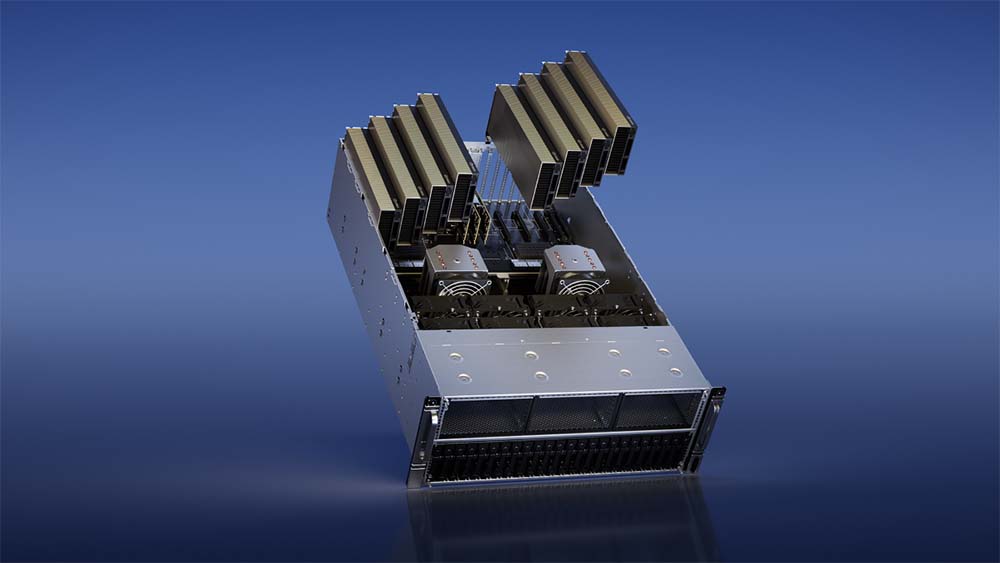
However, in July 2025, NVIDIA executives publicly announced that the company had obtained export licenses from the US government, and H20 sales to China would resume. This news immediately boosted the stock prices of Chinese cloud service providers (such as Alibaba, Tencent, and Baidu), as the H20’s return alleviates the immediate shortage of high-end computing power for Chinese AI enterprises. NVIDIA hopes to maintain its market share in China with “compliant” products, securing its commercial interests in the world’s second-largest economy.
2. Complex New Challenges: Dual-Directional Control
NVIDIA’s comeback is not without turbulence.
On one hand, the US government continues to tighten export controls, for example, introducing new regulations in January 2025 to further restrict the export of advanced AI chips and models, and even issuing a global “risk warning” regarding the use of Huawei’s Ascend chips in May.
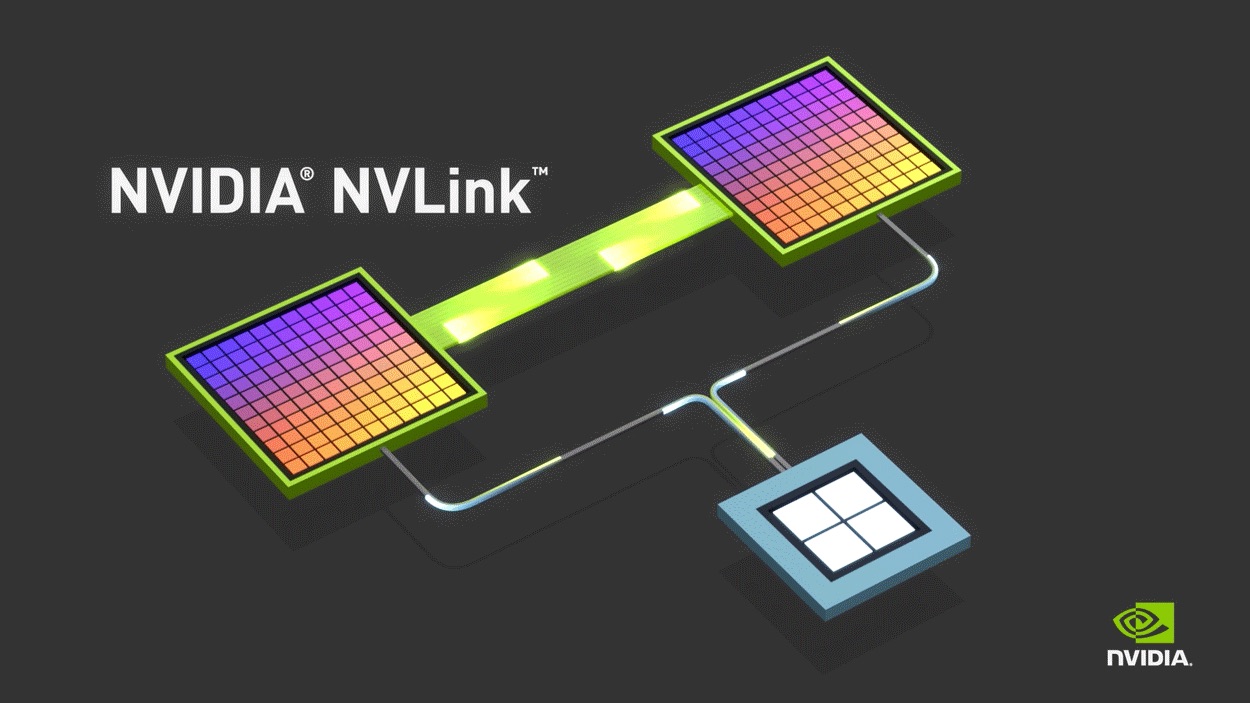
On the other hand, the latest news (October 2025) indicates that Chinese customs officials have been assigned to conduct strict inspections of imported AI chips (including NVIDIA H20 and RTX Pro). This suggests that China’s AI compute market is facing “dual-directional control” from both the US and China. China’s indigenous development process has accelerated, and the procurement and use of NVIDIA products must comply with national strategic guidance, introducing new uncertainties to NVIDIA’s “compliant” comeback.
Conclusion: AI Compute Landscapes “Diverge” and Ecosystem Choices
The competition for AI chips between China and the US has shifted from a simple “catch-up” scenario to a “divergence”—the global compute ecosystem is being fractured into two parallel systems by geopolitical pressure.
-
Huawei’s Advantage: “Sustainability” and “Reliability”: Against the backdrop of increasingly stringent US controls, Huawei’s Super Node/Super Cluster system represents a “full-stack solution” based on indigenous technology, offering a sustainable computing foundation for China’s AI industry that is immune to external interference. Its success hinges on the smooth implementation of the new architecture (Unified Bus/灵衢) and successful mass production.
-
NVIDIA’s Advantage: “Ecosystem” and “Peak Performance”: Although the H20 is a downgraded version, it is based on the mature CUDA ecosystem and remains the preferred choice for most Chinese AI developers and research institutions in the short term, especially for large model training.
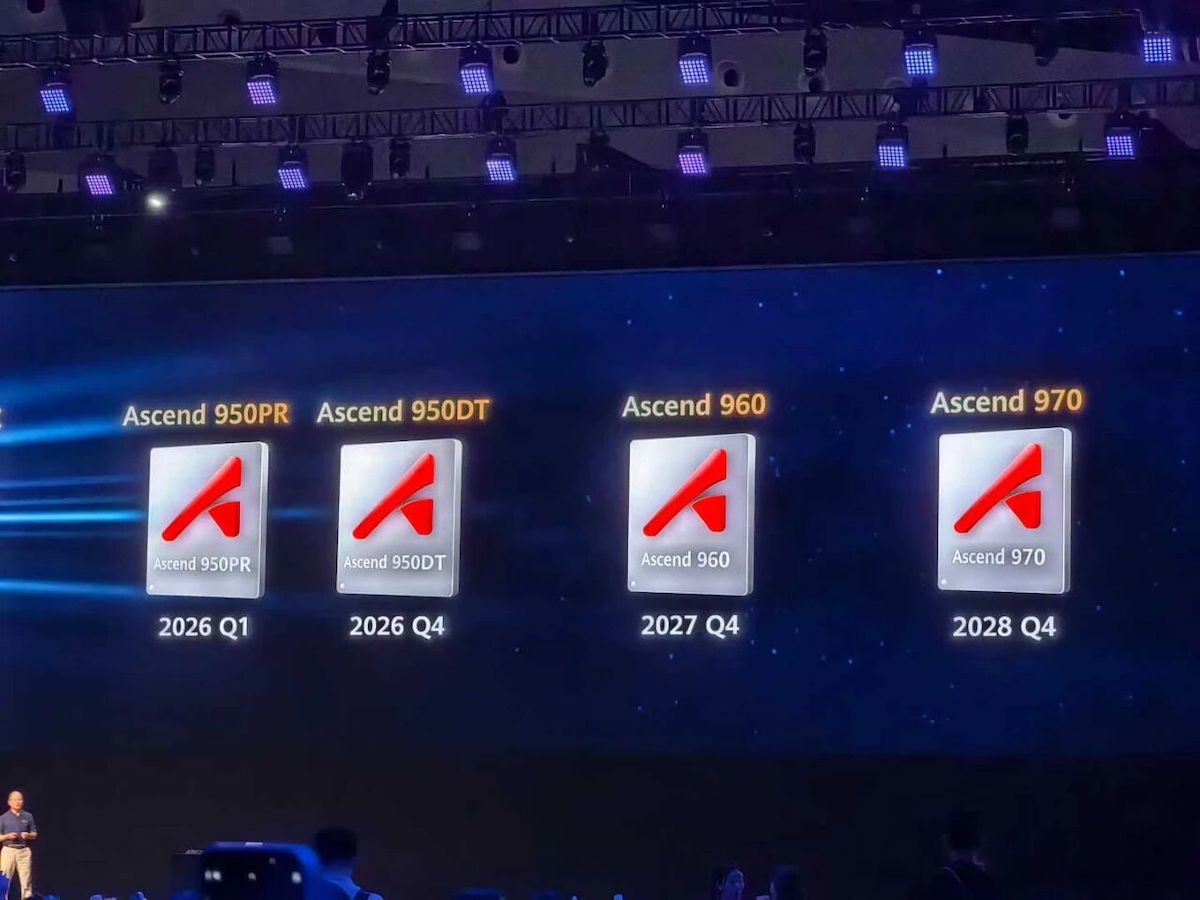
Looking ahead, China’s AI industry will inevitably form a new pattern of “domestic-led with international-as-supplementary.” Whether Huawei’s Super Node/Super Cluster can demonstrate performance comparable to, or even surpass, NVIDIA’s clusters in real-world applications will be the key to determining if it can achieve “overtaking on the curve” within three years. Meanwhile, NVIDIA must cautiously balance commercial interests with geopolitical risks amid the double pressure of evolving export restrictions and intensifying local competition in China. This AI compute infrastructure Cold War 2.0 has just entered its most intense phase.