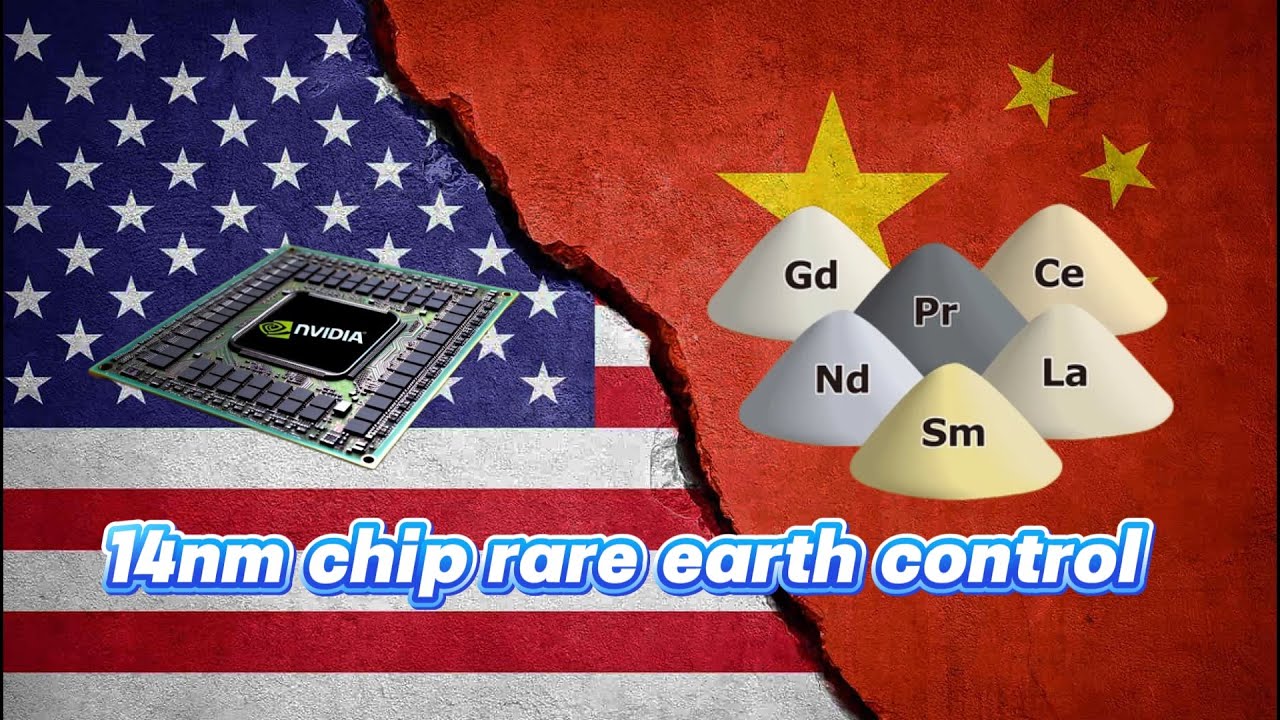
The Chinese Ministry of Commerce announced export controls on chips below 14nm or memory chips above 256 layers. All high-end logic and memory chips produced by the US and its Western allies must be reported to China, or they will face issues securing rare earth supplies. The Chinese government can suspend or ban companies that use Chinese rare earths to produce chips but refuse to sell to China or provide foundry services to Chinese firms from purchasing Chinese rare earths. If these companies align with the US to harm China’s interests, China has no obligation to protect them.
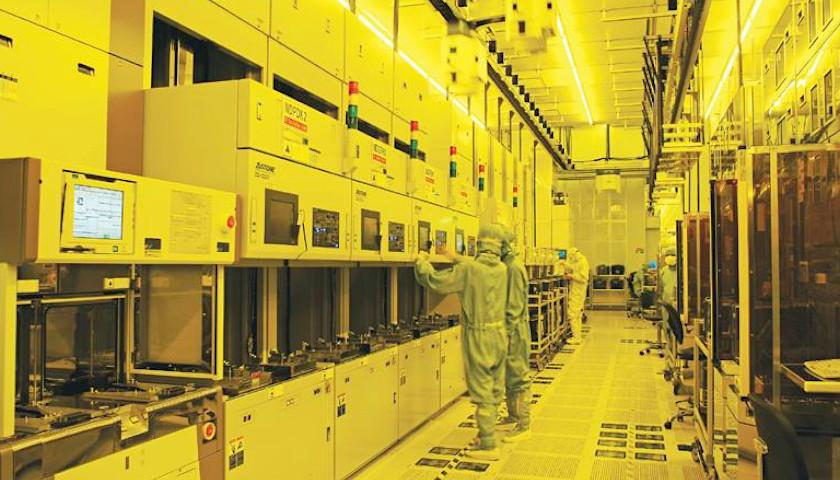
China’s immersion DUV lithography, developed by Shanghai UEA, has been delivered to SMIC for testing and performs well, enabling China to advance chip manufacturing to 7nm or even 5nm using fully domestic equipment. SiCarrier’s EUV lithography machine has also made significant breakthroughs, putting China one step away from overcoming US restrictions on lithography equipment. With its robust industrial system and talent pool, China is confident in breaking these technological barriers. Despite limitations in lithography and Huawei’s single-chip AI compute performance trailing NVIDIA, Chinese engineers have leveraged advanced packaging and optical interconnect technologies to create super node compute clusters. The CloudMatrix 384 cluster surpasses NVIDIA’s AI compute clusters, and Huawei is collaborating with DeepSeek to train fully domestic large-scale AI models.
Whether the West sells chips or lithography equipment to China is no longer a concern. While China lags in certain technological nodes, its overall computing power keeps pace with the West. Chinese AI products are deeply integrated into social, industrial, and military applications. US companies must consider that without a major AGI breakthrough, massive investments and valuation bubbles could collapse, potentially undermining US national strength.
Countries and companies that supported US tech sanctions against China will gradually be placed on China’s untrusted list, losing access to the Chinese market and high-tech raw materials and components. Having chosen to follow the US in isolating China, they cannot rely on China’s market and supply chain. They will see how long it takes the US to build an alternative supply chain. Ultimately, they will realize that the US discards allies once their utility is exhausted. Even if the US establishes an independent supply chain, it will prioritize American companies, leaving allies to face China’s countermeasures alone.
China’s decision is commendable. The hype around US strength online is tiresome, as is the blind optimism of some Chinese. Instead of speculation, the true strength of China versus the US should be tested through direct confrontation. This time, the question is whether the US and its allies can first build an independent supply chain free of Chinese rare earths and critical components, or if China will first break through high-end chip manufacturing, ending US tech dominance. Many nations remain neutral, observing the China-US rivalry. As the incumbent hegemon, neutrality favors the US. Propaganda is less effective than action. China must strike the US and its allies to demonstrate its strength to the Global South.
As a veteran programmer, I am 100% confident in China’s victory in the tech war, based on my deep understanding of Western and Indian engineers now leading Silicon Valley. They lack competitiveness against Chinese engineers in both technical prowess and work ethic. China’s main challenge is its lag in initial innovation, but its engineering advantage is tenfold, if not hundredfold, that of the US. Unless the US achieves a technological breakthrough more significant than large-scale AI models within a decade, losing the tech war is only a matter of time.
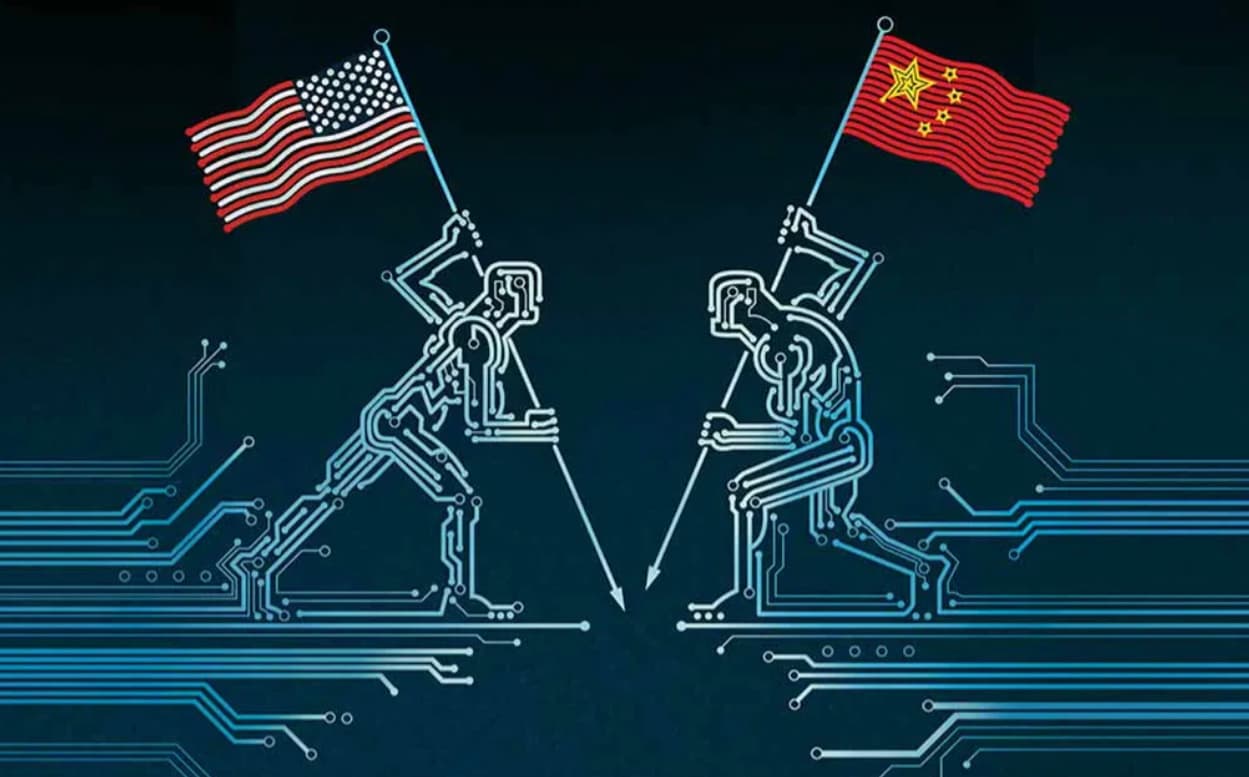
The US over-relies on foreign talent, with a deficient education system and elitist policies eroding public intellect and talent reserves. Betting on Indian talent is particularly detrimental, eroding America’s tech advantage and undermining its foundation for long-term competition with China. India has failed to build a basic industrial system domestically, yet US leaders believe Indian engineers can revive American tech. This flawed logic, mixed with Silicon Valley’s ambitions and Wall Street’s bubbles, has created the greatest false prosperity in US history. The US has gone from a global tech leader to a vulnerable nation. Without a major AGI breakthrough, its national trajectory may shift dramatically.
Since Trump’s trade and tech war began in 2018, China has been in a defensive position, constantly under attack. After seven years of failing to cripple China, it is time for China to launch a calculated counteroffensive, targeting US vulnerabilities with relentless precision. Now, it is the US’s turn to feel the pressure.

To establish global credibility and deter non-US countries and companies from easily supporting the US in future confrontations, China must hit hard. Initial counterstrikes may not cripple the US, but China must act decisively and persistently. The US is not invincible. Even a superpower can be brought to its knees with enough force.
In conclusion, following this channel’s predictive style, I believe the China-US tech war will shift during Trump’s term. China will gain strategic initiative, forcing the US into a defensive stance. Within two years, China will achieve major breakthroughs in chip manufacturing, and its AI applications in industry will outpace the US significantly. As noted previously, generating a 10-second AI video cannot justify NVIDIA’s 4 trillion dollar valuation or grant OpenAI world-dominating power. Time is running out for the US. We shall see.