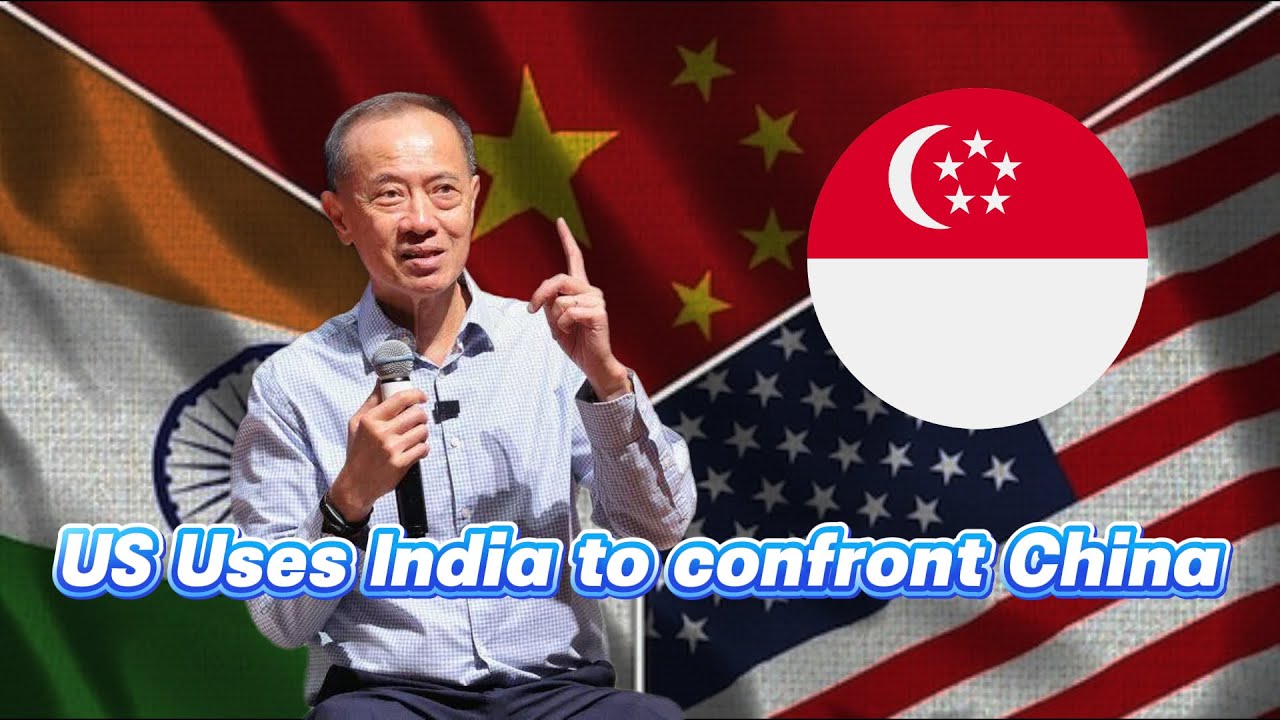
Here is a summary of the key points from the video:
On US-China Relations and “Demonization”
-
Concerns over “Demonization”: The speaker notes that the late Henry Kissinger was extremely concerned in his final years about the deterioration of US-China relations and the “demonization” of China in the US.
-
The Impact of Demonization: This sentiment has become so strong that senior American officials, even when invited to peace forums in China, would not attend for fear of being criticized back in the US.
-
China’s Ambition: The speaker believes that China does not aspire to displace the US as the global hegemon. This ambition is alien to China’s ancient wisdom, and its primary focus is on resolving its own domestic problems.
-
Management and Peace: China understands the US more than the US understands China and is managing the relationship within the powers it possesses. The speaker believes this approach is more likely to lead to peace because China is not seeking war.
On Military Strategy and the Taiwan Issue
-
Conventional Warfare Disadvantage: Despite the immense size of the US military, the US Indo-Pacific Command has concluded that the US is unlikely to prevail in a conventional war over Taiwan. This is because US supply lines are too distant, while China is right next door.
-
Aircraft Carriers and Missiles: The US’s main battle units—its aircraft carriers—would be held at bay by China’s long-range hypersonic missiles.
-
TSMC and Rare Earths: A war over Taiwan would destroy TSMC (Taiwan Semiconductor Manufacturing Company), which the US and Europe cannot afford to lose. Furthermore, China has played its “trump card” with rare earths, which are essential for the US to build F-35 fighter jets and missiles, serving as a “counter leash” to influence the other side.
On China-India Relations
-
US Attempt to Use India Fails: The Ukraine war strained US-India relations, upending the US hope of using India against China and India’s hope of using the US against China. The US pressured India to abandon its strategic friend, Russia, while simultaneously criticizing India for buying Russian oil, which made the Indians “hopping mad.”
-
US Insults India: Insulting remarks made by US officials (such as Peter Navarro’s “Maharaja tariffs”) were multiplied in the Indian media. This provided China with a “lucky” opportunity to express support for India, contributing to a gentle warming of China-India relations.
-
Border Issues Are Solvable: The speaker believes that the long-standing border disputes between China and India can be resolved, similar to how Russia and China settled their border. If both sides desire peace, a solution will eventually be found through swaps and compromises.