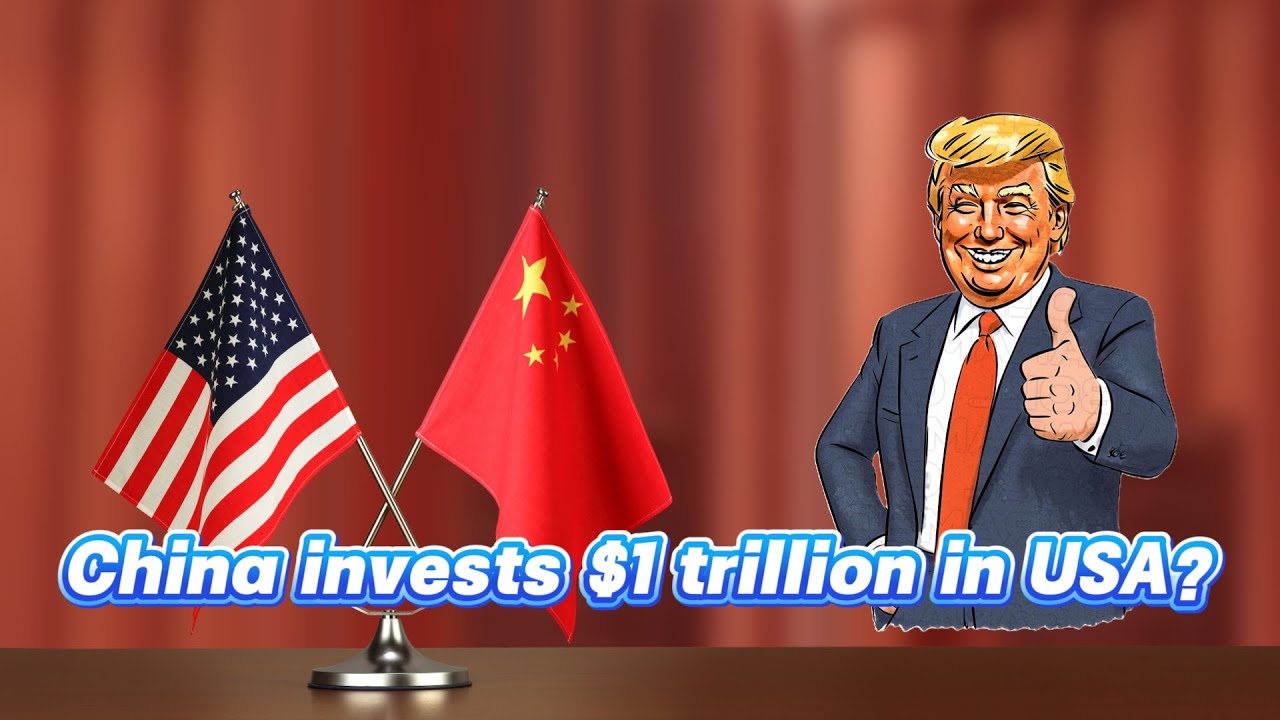
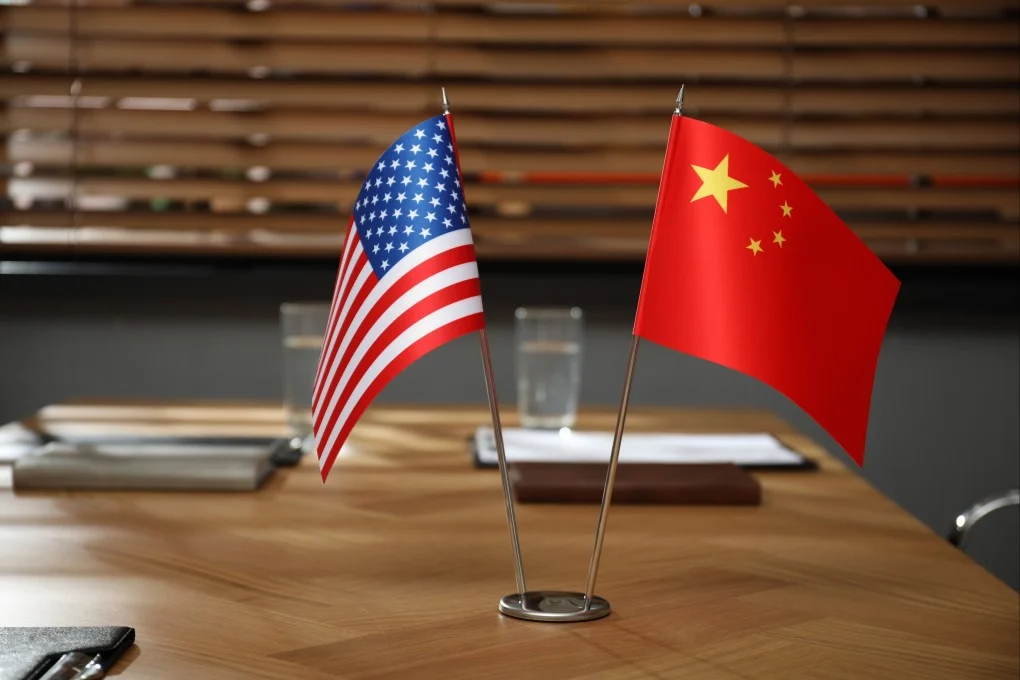
On October 3, 2025, Bloomberg reported that China is urging the US government to cancel national security restrictions on Chinese companies investing in the US, such as CFIUS reviews and export controls, and to use a massive investment package as an exchange condition. One source mentioned that China floated a $1 trillion investment scale earlier this year, but the current discussions lack clarity on the specific amount and structure. This could include direct investments in US infrastructure, technology, or energy sectors to reshape the investment barriers between the US and China over the past decade.
Many people think this is baseless rumor-mongering, since a $1 trillion investment in the US would greatly stimulate US prosperity and create a draining effect on China. This would also mean that China is essentially bowing to the US in exchange for peace. But to be honest, I do not think it is completely without basis, since it comes from a mainstream media outlet like Bloomberg. An anonymous source not involved in the US-China showdown could not secure such prominent coverage. However, I also do not believe China is desperate to seek peace with the US. China’s economic pressures are significant, but its society remains very stable. The number of domestic trips during the National Day holiday hit a new record high, showing strong consumer spending power among the public. China’s export data is also solid, and while GDP growth has slowed somewhat, it remains relatively healthy among major economies. The real question is whether a $1 trillion investment in the US in exchange for a truce is feasible, and why such backchannel messages from the negotiating table are leaking out.
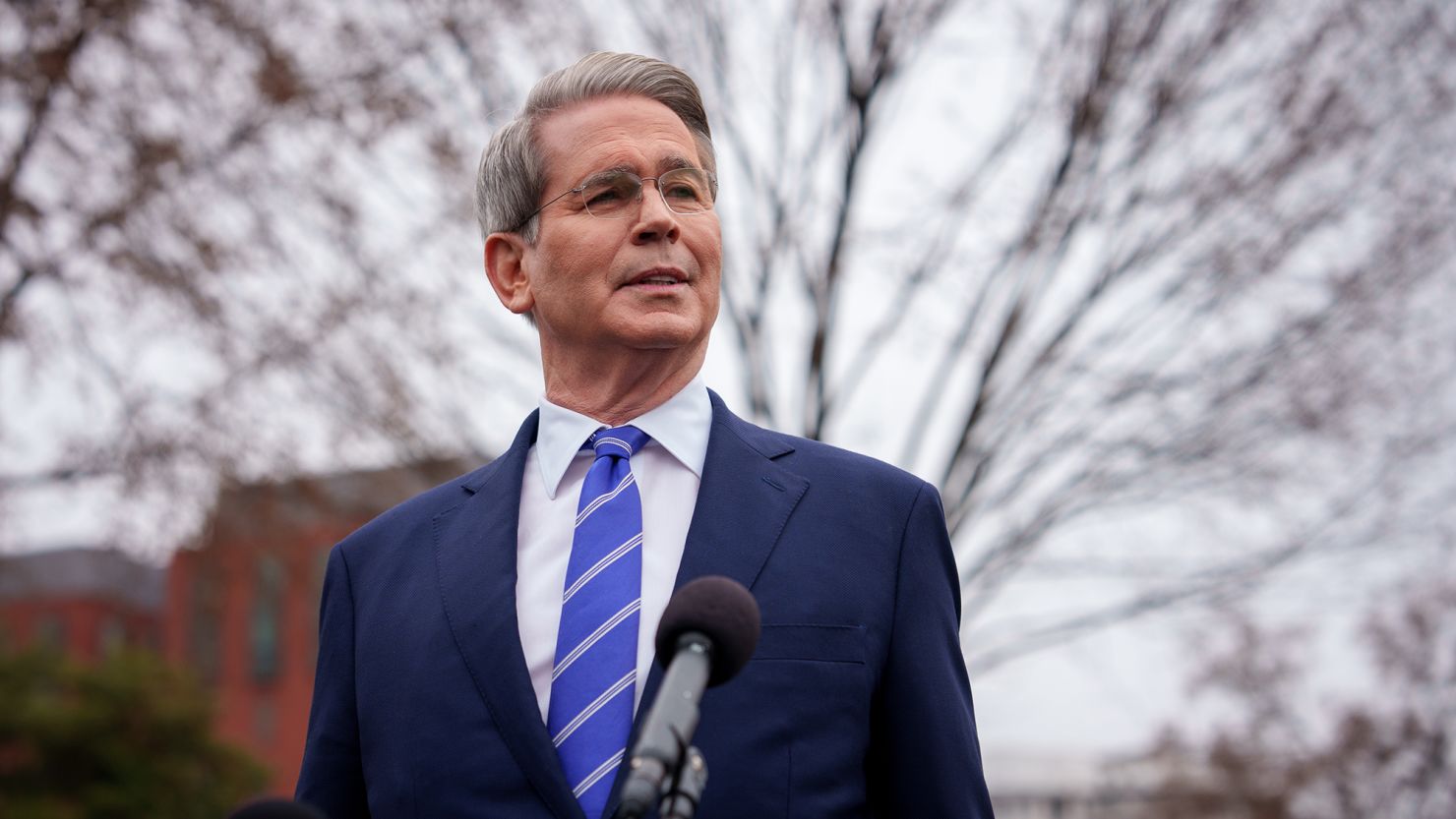
First, we must clarify that the trade war and tech war between China and the US have lasted seven years, initiated during Trump’s first term. By now, Americans should have a full realization that the US cannot crush China head-on. In the words of Scott Bessent, the Treasury Secretary leading US negotiations, China’s strength and resilience far exceed those of the Soviet Union, Japan, and the EU, making it a completely different opponent. The US two parties are tough on China, and mainstream public opinion in the US is firmly anti-China as well. However, the crises within the US are far more severe than those in China. The two parties are deeply divided, society is fractured, and US debt has already surpassed $37 trillion and continues to rise rapidly. Trump’s trade war has led to uncontrollable inflation, while the tech war has restricted US companies from accessing cheap Chinese components, dramatically increasing survival pressures. Under these circumstances, China could not possibly proactively propose investing in the US to ease the trade war. This seems more like a negotiating tactic from the Chinese side, a rhetorical counter to unreasonable US demands.
In other words, the US claims that Chinese people have stolen American jobs, that US-China trade has caused US deindustrialization, and that Chinese companies developing in the US threaten US national interests. So China invests in the US to reduce the US trade deficit with China, and on a massive scale, from education to infrastructure to factories. China can contribute vast funds to US economic prosperity, while the US must cancel its trade sanctions and tech blockades on China. As for US concerns about national security, Chinese companies can follow the TikTok model: Chinese companies retain control over intellectual property and branding, but operations involve deep US participation or even US dominance, with China taking dividends. This proposal is a win-win. If the Trump administration agrees, China and the US can immediately halt the trade war and tech war for mutual benefit. China would even not mind letting the US gain more. Being the world’s second-largest economy suits China just fine for now, with no concern for the vanity of being the number one superpower.
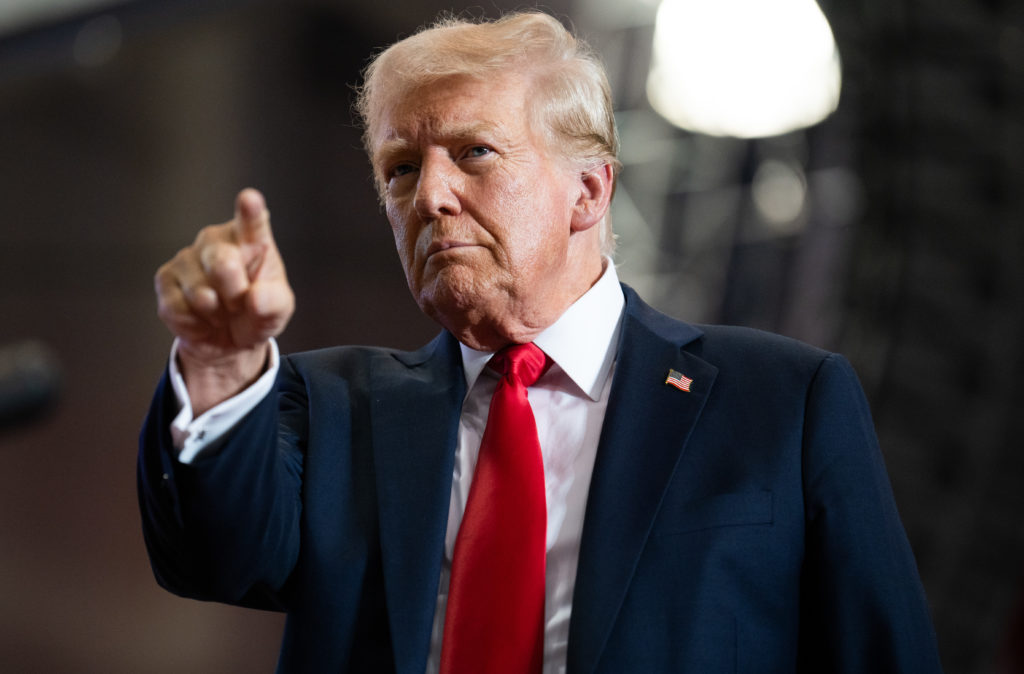
But China’s proposal is calculated on the fact that the US will not agree. The US’s core task right now is still to crush China through the trade war and tech war. If the US misses this opportunity, it may never defeat China again. Trump is negotiating with China to trick it into accepting his proposals, completely sacrificing China’s national interests to serve the US. He treats China like a muscle-bound fool: unbeatable in a fight, but deceptible to deception. Just as Reagan led the Western world in tricking the Soviet Union into collapse. Yet Trump is no Reagan; he is merely a clumsy imitator of Reagan, and China is no Soviet Union. Chinese people are not as easy to fool as Russians.
China maintains contact and negotiations with the US, making small concessions where possible without harming its interests, to satisfy Trump’s ego. But on core interests, China will not yield an inch. Trump seeks to deceive China into errors through talks, while China uses negotiations to buy time and prepare further. The current situation is that both China and the US face enormous pressures. But China is the challenger and does not need to maintain a powerful military presence worldwide like the US, which drains its national strength to uphold its role as world policeman. China’s productivity and production efficiency far exceed those of the US, so the later the US-China showdown, the more advantageous it is for China.
Thus, China’s strategy is to always be ready for a full showdown with the US, harboring no illusions about it and solidly preparing for complete US-China decoupling, while accepting this reality. At the same time, China is willing to tangle with the US in negotiations. Since Trump thinks he is clever, China can treat him like a monkey in a zoo: toss him a peanut every now and then to let him indulge in the illusion of constant victories. If he and his MAGA fans want to believe they are winning nonstop, with America becoming greater wave after wave, Chinese people are willing to applaud them and toss even more peanuts.
If Trump agrees to the Chinese proposal, China would not fear signing an investment deal. A $1 trillion investment is no big deal; Trump has already extracted trillions of dollars in total investment commitments from Middle Eastern countries, Japan, South Korea, and European allies. These are all loose, long-term investment intentions without legal binding. China could symbolically launch some projects during Trump’s remaining term, drag out the time, and renegotiate with the new president a few years later when they take the White House. If the US refuses to talk, China will simply showdown with the US. So I do not think the news of China’s $1 trillion investment in the US in exchange for a truce is fabricated, but it also does not qualify as major news. It is just a negotiating ploy.