China recently required domestic steel mills to stop importing iron ore from Australia’s BHP, sparking widespread attention and discussion. This marks the first time since the improvement in China-Australia relations that China has imposed sanctions on a heavyweight Australian company. The main disagreement between the two sides lies in negotiations over pricing rights. BHP insists on US dollar pricing and sticks to an annual pricing model anchored to the Platts index. The Chinese side hopes to adopt RMB payments and quarterly settlements based on spot prices. Due to the failure to reach an agreement in the negotiations, the conflict escalated at the end of September. The China Mineral Resources Group, or CMRG, which was established in 2022 to integrate steel mill procurement and enhance bargaining power, has required domestic steel mills and traders to suspend purchases of all BHP seaborne iron ore priced in US dollars, including cargo already in transit. Only a small amount of spot goods that have already arrived at port are allowed to be traded in RMB.
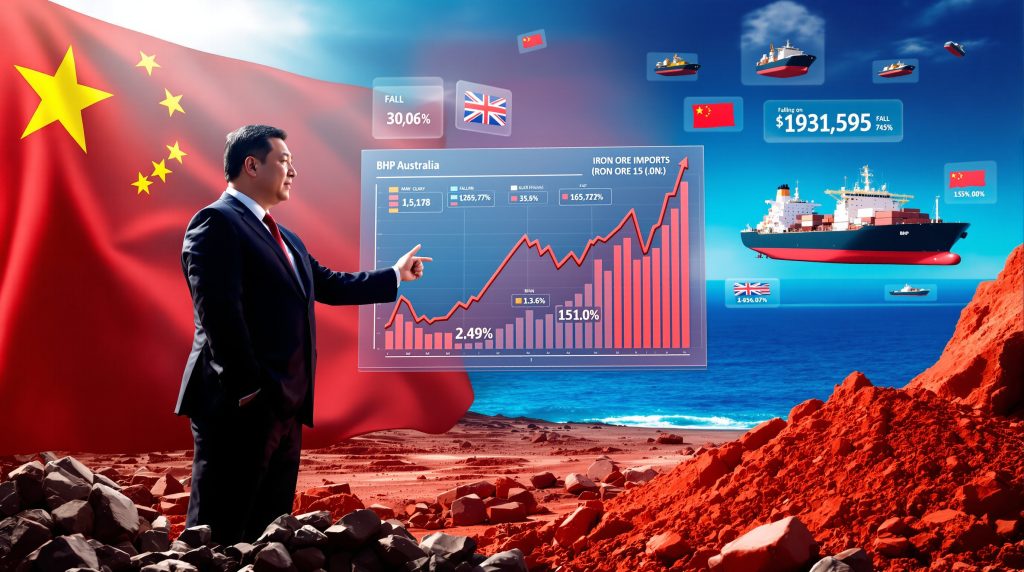
This move is of great significance. It signifies that Chinese companies continue to effectively implement collective action strategies in major overseas resource procurement. It involves collective resistance against those companies that earn money from Chinese people yet attempt to maintain unfriendly trading methods. At the same time, this also marks China’s start in promoting RMB internationalization through market means and breaking away from the US dollar payment system. Because seven years after the outbreak of the China-US trade war and tech war, China has found that without the so-called cutting-edge tech products from the US, Chinese industry can still operate normally. Moreover, China’s alternative technologies are becoming increasingly mature and have achieved breakthroughs in many fields. Now China no longer needs any products from the US at all, so there is no reason to continue using the US dollar as the main currency for foreign trade. For those companies unwilling to cooperate with China’s push for RMB trade and hoping to please the US with money earned from the Chinese market, China must strike back resolutely and exclude them from the Chinese market.

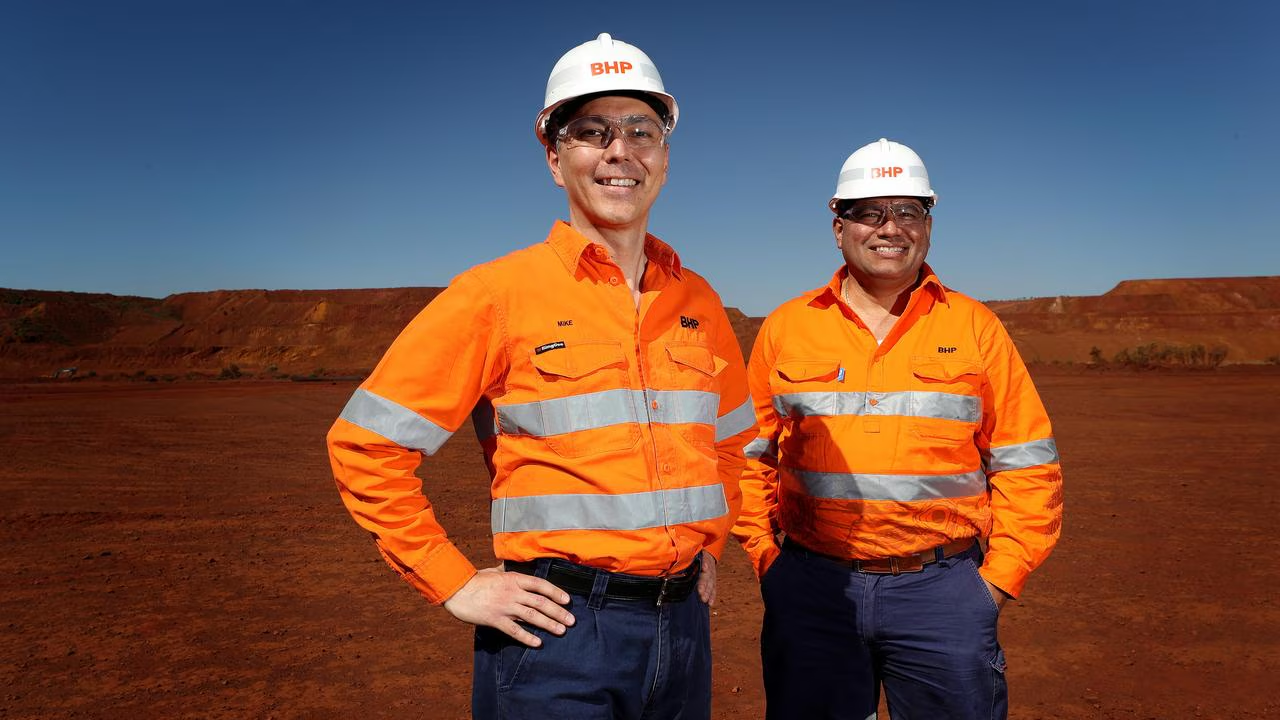
Let me explain some basic knowledge to everyone. Large resource groups including Rio Tinto and Vale can all accept RMB transactions. RMB transactions are not only fully feasible technically but have also been verified over a long period, with sufficient reliability and convenience. BHP attempted RMB transactions in 2020 and successfully completed them. China is BHP’s largest single market, with procurement volume accounting for about half of its sales. It can be said that China has given BHP reliable and stable revenue. However, the management of this company harbors inexplicable hostility toward China. They strive to maintain settlement methods that are very unfriendly to Chinese companies and resist RMB transactions. Such management is simply bad, and it is bad without any reason. In the face of such companies, China must firmly say no to them. Therefore, after coordination, Chinese companies are sacrificing short-term interests, importing substitutes from other resource companies, and launching a strike against BHP.

The Australian government has expressed regret over this, believing that China should not escalate the conflict. But Australia’s politicians have completely failed to explain why BHP’s management is so bad. Facing their largest customer, they show no gratitude at all and instead keep using dirty tactics to harm China. This is strikingly similar to US farmers. China is their largest customer, purchasing 60 percent of the world’s soybeans annually, most of which come from the US. Yet these people vote for Trump and chant MAGA slogans every day, supporting Trump in confronting China. For these venomous snakes, trying to warm and resolve their hostility with goodwill is useless. The only correct approach is to take out a stick and beat them. So, after meticulous preparations, China procured soybeans from Russia, Brazil, and Argentina, completing the import substitution. These rednecks were dumbfounded. Their soybeans went unsold, and farms faced bankruptcy. Then they started posting videos on TikTok, crying about the historically best soybean harvest rotting in the fields because Chinese people refused to buy. But these people completely forgot what the Chinese felt when they were chanting MAGA slogans back then and blaming people thousands of miles away in China.

Chinese people use precious US dollar foreign exchange to buy US agricultural products. China’s DJI also provides them with affordable drones to help detect farmland, spray pesticides, and fertilize. Chinese agricultural machinery costs only one-third of similar US domestic products yet offers better performance. This is a very good virtuous cycle. Americans export seeds and grain to China, while China exports drones and agricultural machinery to the US. It is a perfect closed loop. What reason do US farmers have to hate China? Chinese people buy your beef, soybeans, corn, and wheat, yet still face your hatred. Is such trade worth maintaining?
In fact, many Western white people harbor inexplicable hostility and even discrimination toward Chinese people or even Asians deep in their bones. Chinese people have not occupied an inch of land in their countries or robbed them of a single penny of wealth. Yet these white people who occupied North America and Australia approach it with a robber’s mentality, suspecting that Chinese people also want to be robbers. So they fear China’s rise. To this end, while earning money from Chinese people, they resist Chinese products. The best scenario for them is for Chinese people to pay unilaterally and serve as their slaves. In dealing with these Westerners who are indescribably bad, Chinese people must unite and strike back at them without hesitation. These people do not understand rational persuasion. They only recognize the stick. To make them recognize their mistakes, you must take out a stick and beat them until they cry. Otherwise, they will harm their largest customer wantonly, just like US farmers.
Regarding the issue of RMB settlement, I believe this is the trend of the times. The value of the US dollar lies in its ability to purchase goods and services, and China is the world’s factory with the best and most abundant goods and the highest cost-performance ratio. China now does not need to buy anything from the US, so there is no need to hold so many US dollars. Americans like to use SWIFT and the US dollar to sanction other countries, so China will de-dollarize. In fact, with the advancement of CIPS, the BRICS payment system, digital RMB, and other businesses, most trade can be completely de-dollarized.
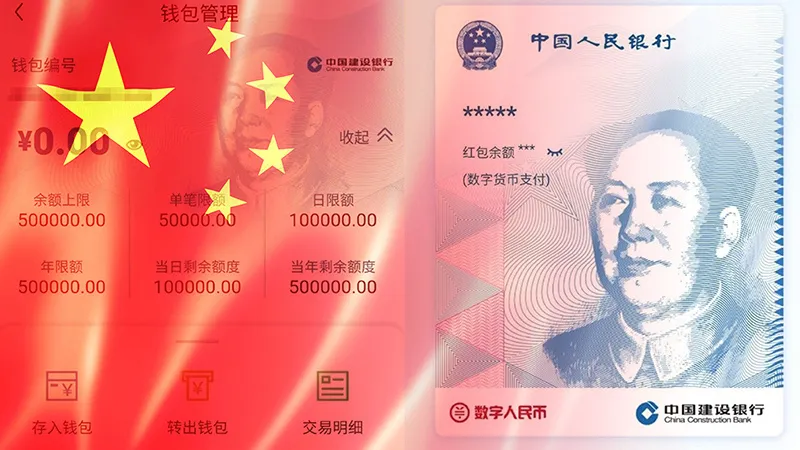
The Chinese government and companies must unite and steadfastly push this process forward. Especially the digital RMB, which should use national credit as a guarantee, rapidly develop into the most convenient and efficient payment method. This will allow countries and companies that are friendly to China, have confidence in it, and are willing to prosper together with China to effectively reduce settlement costs and risks, and focus on profiting through products and services. For those companies that earn money from Chinese people yet hope to please the US, Chinese people should politely bid them farewell, let them leave the Chinese market peacefully, and focus on serving the US.
Of course, I still hope that the US and Western countries will abandon the idea of bringing down China. I do not understand what benefit this holds for the West. Besides, are you sure this is better than win-win cooperation? What if you lose?