
First, we need to understand that e-CNY, or the digital renminbi, also called digital RMB, is the digital version of China’s legal currency issued by the People’s Bank of China, with the same legal status as paper renminbi, making it a standard fiat currency. According to Chinese law, any place in China that accepts renminbi transactions must accept it. It is not a stablecoin or a token. e-CNY operates on its own centralized blockchain alliance chain, led by the People’s Bank of China, using the DASHING protocol as the consensus mechanism to confirm transactions. This protocol is applied in the multilateral central bank digital currency bridge project, mBridge, involving China and foreign central banks. The retail payments of e-CNY, such as daily app transactions, are centralized, but its underlying clearing and cross-border financial infrastructure utilize the alliance chain architecture and DASHING consensus protocol.
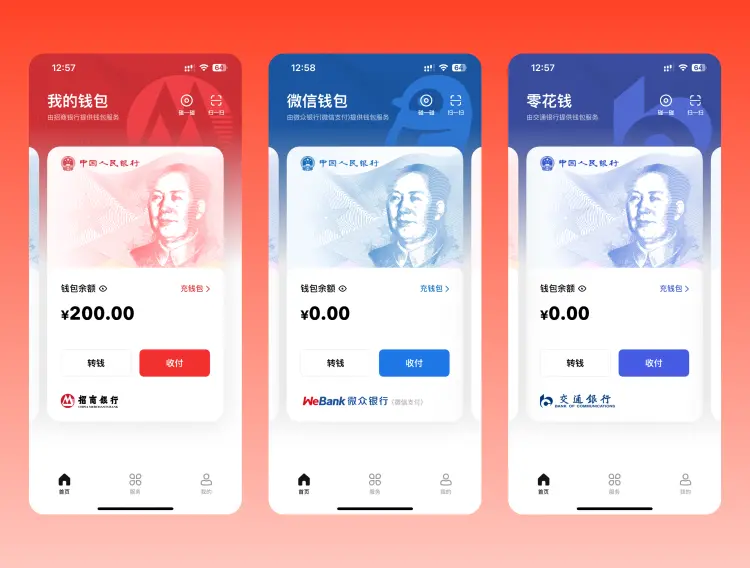
On September 25, 2025, the e-CNY International Operations Center began operations in Shanghai, launching three business platforms: the e-CNY cross-border payment platform, the e-CNY blockchain service platform, and the digital asset platform. This marks e-CNY’s role as a key tool for renminbi internationalization, formally participating in the global economic cycle.
We need to understand some basic features or advantages of e-CNY: 1, its transaction throughput is large, its technical architecture is robust, and it has been fully validated by massive domestic transactions, making it highly mature. Its transaction speed is fast, and costs are extremely low, far surpassing traditional virtual currencies.
2, e-CNY is backed by China’s national credibility, surpassing any existing cryptocurrency, including Bitcoin and Ethereum. As a fiat currency, it does not need to be pegged to US Treasury bonds or other dollar assets like USDT or USDC. Its value stems from its inherent fiat currency status, not asset pegging. Theoretically, in extreme cases, USDT and USDC may fluctuate, even if they recover quickly, but the possibility of the issuing company going bankrupt cannot be ruled out. Although these stablecoins are pegged to dollar assets, those assets are not 100% stable or reliable.
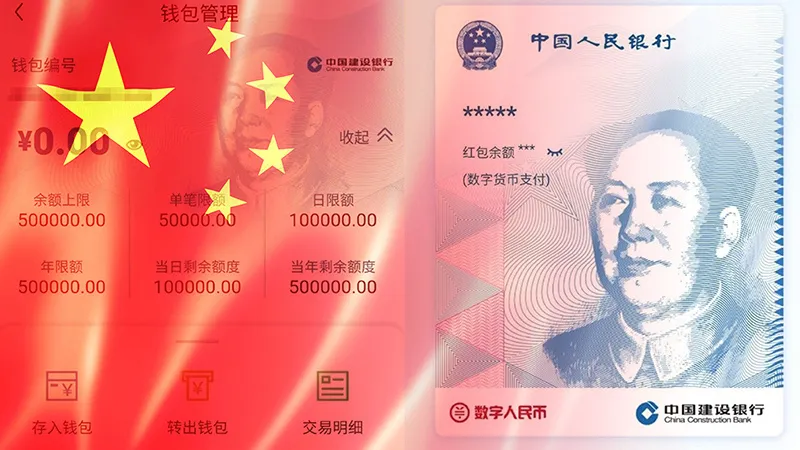
3, e-CNY has a dedicated app, a software package divided into several tiers. The first-tier wallet requires only a phone number, supporting a balance of several thousand yuan, with a single transaction limit of 1000 yuan, suitable for micro-transactions in the range of a few hundred dollars. This meets daily consumption needs in China and allows convenient cross-border payments to China. The second-tier wallet requires identity verification, using documents like an ID card or passport; for overseas users, a passport is typically required. After verification, the daily transaction limit increases significantly.
In China, the single transaction limit is 20000 yuan, about 3000 dollars, with a daily transaction cap of 20000 yuan and a balance cap of 500000 yuan. I am not very clear on overseas figures. I have not researched the third-tier wallet, as I do not currently need such high limits. Notably, many online sources provide inaccurate figures; my numbers come from screenshots taken during my own registration and use. Theoretically, the third-tier wallet has very high limits, meeting most people’s needs for work, consumption, and travel.
4, enterprises can open corporate accounts, making trade with Chinese merchants more convenient with higher limits. Corporate accounts can be opened directly at partner banks in Saudi Arabia, the United Arab Emirates, Thailand, or Hong Kong without visiting China or submitting complex registration documents, as audits are handled by partner banks. This is the greatest value of e-CNY, offering enterprises an efficient, fast, and low-cost cross-border transaction method, whether for trade with Chinese companies or among themselves internationally.
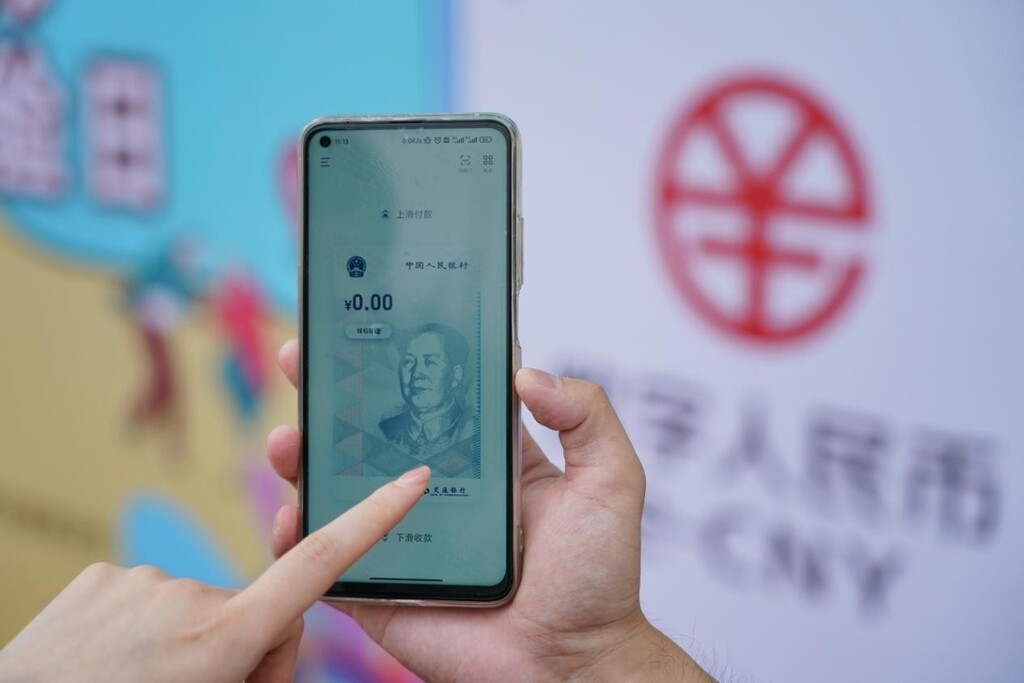
5, e-CNY provides dual-offline transactions through hardware wallets, enabled by encryption chips and robust algorithms, allowing face-to-face transactions without a network. This is highly useful in many countries, such as conflict zones.
6, e-CNY is highly attractive to countries unfriendly to the US dollar. Although countries like Russia and Iran face sanctions and cannot complete verification, their enterprises or individuals can register e-CNY wallets through partner banks in Saudi Arabia, the United Arab Emirates, or Hong Kong and conduct transactions through them. To promote renminbi internationalization, the Chinese government does not scrutinize transactions unfavorable to the US as strictly as the US does. If your business passes scrutiny by the dollar system, particularly SWIFT, but is not concerned about Chinese government oversight, e-CNY is highly suitable. In practice, e-CNY operates under two regulatory systems: domestic and international. The Chinese government is not strict about overseas transactions, and unless they involve terrorism or other threats to humanity, there is no reason for China to heavily restrict them.

7, the renminbi’s exchange rate remains stable long-term, driven by China’s strength and strategic needs, making significant fluctuations against the dollar unlikely. Thus, e-CNY is a top choice for those unable to hold dollar assets. In countries with volatile currencies, like Iran, Russia, Zimbabwe, or Argentina, converting assets to e-CNY is an excellent way to avoid value crashes. For many, it has a lower threshold than holding dollar assets. However, many regions have not yet launched e-CNY services. If you cannot register an account in existing pilot countries, you should stay informed or find indirect solutions.
8, China is the world’s largest producer of goods and the core of global supply chains, so the renminbi’s value is undeniable, capable of buying almost anything you want. The essence of currency is circulation and purchasing power. Previously, the renminbi lagged behind the dollar because the dollar was the world currency, and the US dominated the global financial system, with SWIFT holding a commanding position in cross-border settlements.

However, with China launching e-CNY and promoting its internationalization, e-CNY is backed by China’s national strength, with transaction convenience enabled by blockchain, far surpassing traditional institutions like SWIFT. It is absolutely worth including in most people’s asset allocation and is a novel tool worth learning and using.
Lastly, e-CNY has many knowledge points. For Chinese people with already digitized transactions, it may not be an outstanding tool, as China’s online banking and payment apps are highly advanced, rendering e-CNY somewhat redundant. However, for foreigners with two key needs, avoiding being tied to the dollar and SWIFT or evading US government oversight, and engaging in significant trade or financial dealings with China, e-CNY is critical knowledge to master. The earlier you understand and use it, the more convenience you can gain early on, fulfilling your specific asset allocation needs.