Beneath the waves of the Persian Gulf lies one of the world’s most enigmatic economic empires. Iran, with the fourth-largest oil reserves globally, moves like a veiled dancer under the spotlight of international sanctions. Its economy is not a simple market game but a complex tapestry woven from historical grievances, theocratic control, and covert forces. In 2025, as the United States reinstates its maximum pressure policy, Iran’s inflation rate exceeds 43 percent, the rial collapses to one million per US dollar, and nominal GDP shrinks below 400 billion dollars. Yet, the nation persists, sustained by oil-smuggling ghost fleets and the invisible hand of religious foundations. Let us unravel this enigma, tracing Iran’s economy from ancient Persia to the Islamic Republic, exploring its unique contours.
Persia’s Oil Nightmare: From Colonial Chains to Nationalization Failure
Iran’s economic story begins with oil. In 1908, British drillers struck oil in southern Persia, dragging the ancient empire into the modern energy vortex. The British-controlled Anglo-Persian Oil Company, later British Petroleum, siphoned Iran’s wealth, leaving locals with meager scraps. In 1951, nationalist Prime Minister Mossadegh attempted to nationalize the oil industry, shocking the West. Britain and the United States orchestrated Operation Ajax, toppling Mossadegh. Oil wealth fell to Shah Mohammad Reza Pahlavi, who pursued secular reforms, industrialization, and land redistribution, driving economic growth to 12 percent in the early 1970s.This prosperity was superficial. Pahlavi’s authoritarian rule concentrated wealth among elites, deepening rural poverty and urban slums. Oil exports, accounting for over 20 percent of GDP, made Iran vulnerable to global fluctuations. Public discontent simmered, erupting in 1979.
Revolutionary Storm: Birth of Theocratic Republic and Economic Reshaping
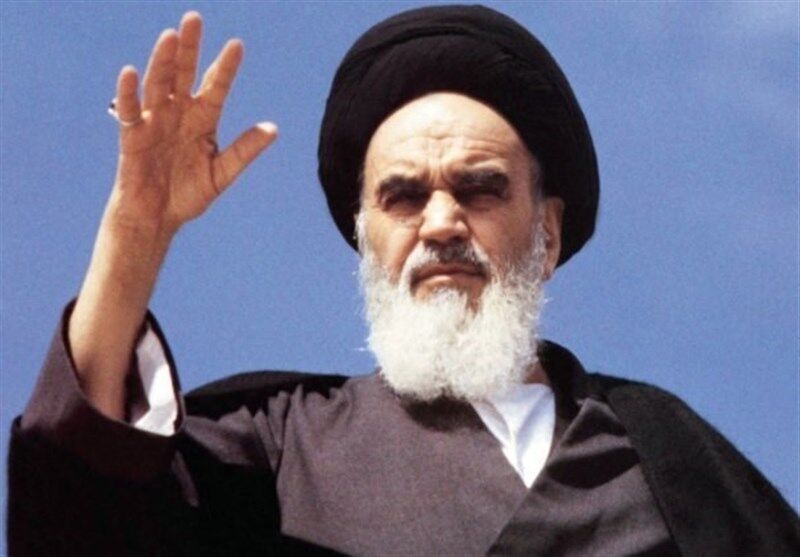
The 1979 Islamic Revolution swept away Pahlavi, establishing the Islamic Republic under Ayatollah Khomeini. Declaring the United States a devil, the revolution blended anti-imperialism with Islamic revivalism. Economically, it was a seismic shift: banks, factories, and land were nationalized, sidelining private enterprise. Iran’s economy pivoted from Pahlavi’s Westernized model to an Islamic framework, emphasizing social justice and self-reliance.The theocratic republic’s structure is unique. Supreme Leader Khamenei, in power since 1989, wields ultimate authority through bodies like the Assembly of Experts and Guardian Council. Economic decisions reflect this, with 51 percent of oil revenue, roughly 12 billion euros, allocated to the Islamic Revolutionary Guard Corps (IRGC) and security forces. This is not mere state intervention but a fusion of theocracy and military power. Post-revolution, GDP plummeted, yet confiscated elite assets birthed the bonyads, religious foundations meant to serve the poor but transformed into economic juggernauts.
Iran-Iraq War’s Ironic Legacy: GDP Surge Amid Oil Crisis
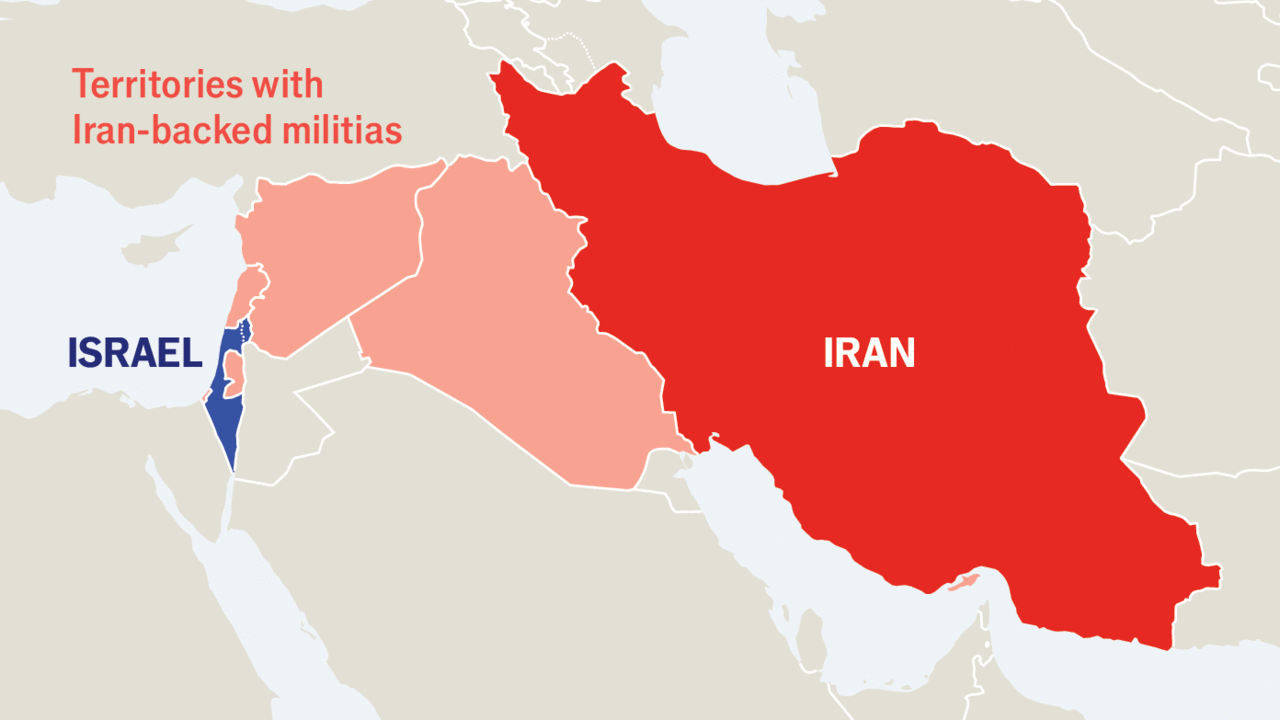
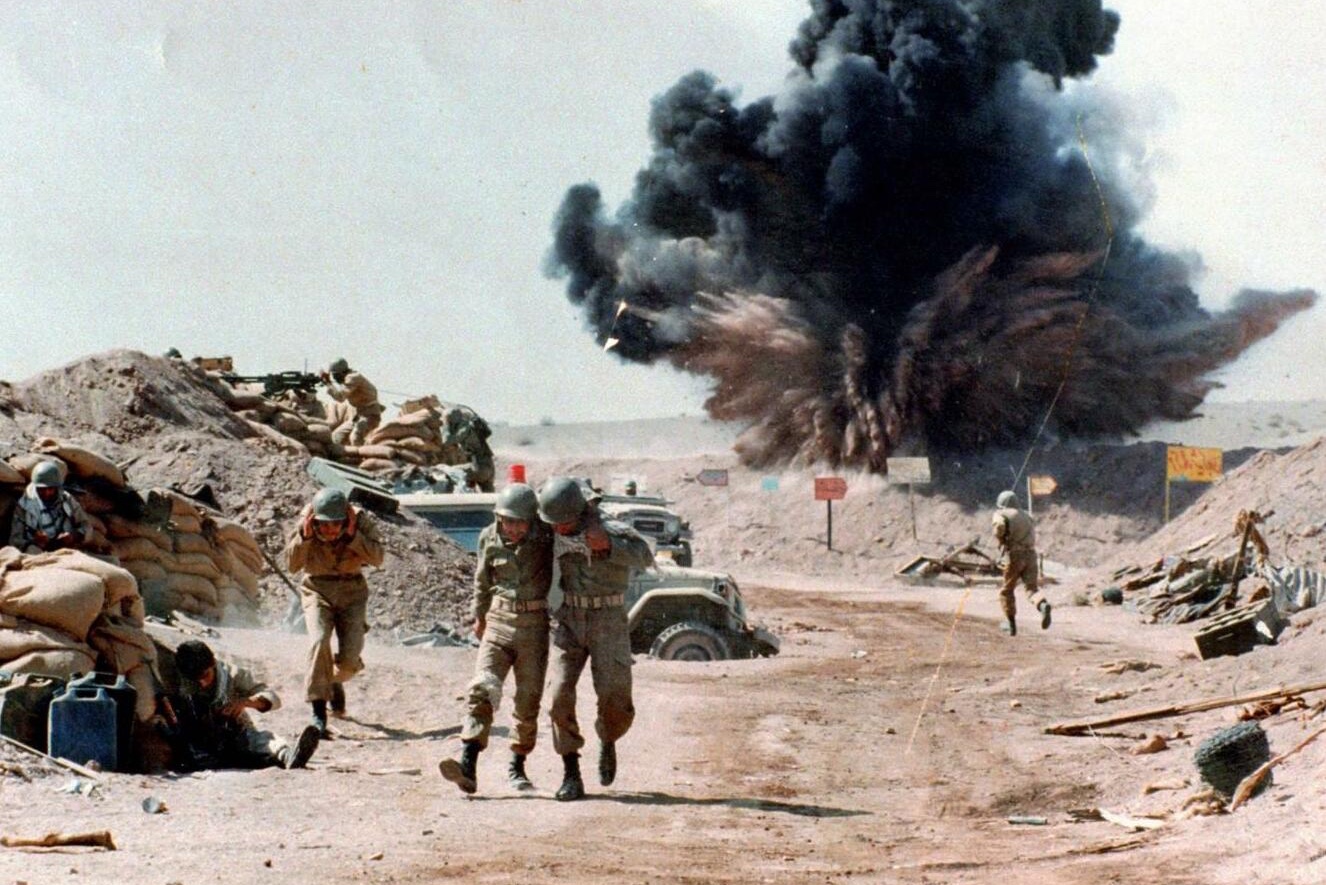
Shortly after Khomeini’s rise, the Iran-Iraq War (1980-1988) erupted, with Iraq’s Saddam Hussein invading. The eight-year conflict killed hundreds of thousands and cost 600 billion dollars. Ironically, the 1980 oil crisis inflated prices, boosting Iran’s export revenue and GDP by over 20 percent during the war’s peak. The conflict spurred domestic industry, and the IRGC evolved from militia to economic titan, entering construction, telecom, and energy.Under Khamenei, Iran’s foreign policy embraced a resistance axis, supporting Lebanon’s Hezbollah, Yemen’s Houthis, and Palestine’s Hamas to counter Zionism and Western hegemony. This bolstered regime legitimacy but deepened isolation. In 2025, a brief Israel-Iran conflict further damaged infrastructure, costing billions. Economically, Iran pursued a resistance model, prioritizing domestic demand and non-oil exports, yet growth remained sluggish at 2 to 5 percent in 2024.
Sanctions’ Iron Curtain: From Hostage Crisis to Total Blockade
The 1979 US embassy hostage crisis ignited decades of United States-Iran hostility. Sanctions began then and escalated by 2010 into a comprehensive embargo, freezing assets and banning oil exports and technology imports. In 2025, the Trump administration’s renewed maximum pressure, alongside E3 nations (Britain, France, Germany) activating a snapback mechanism, reinstated United Nations sanctions. Iran’s oil exports fell from 1.4 to 1.7 million barrels per day in 2024, depleting foreign reserves.To evade sanctions, Iran deployed a ghost fleet: hundreds of aging tankers, disabling AIS signals, transferring oil ship-to-ship at sea, and forging documents to label Iranian oil as Malaysian. China, the largest buyer, imports 1.38 million barrels daily in 2025 via teapot refineries and shell companies. The United States has sanctioned dozens of vessels and networks, including Iraqi smuggler Salim Ahmad Said’s 300-million-dollar annual operation. While oil, comprising 70 percent of the budget, sustains Iran, reliance on illicit channels fuels corruption.
Invisible Beasts: Bonyads and IRGC’s Economic Empire
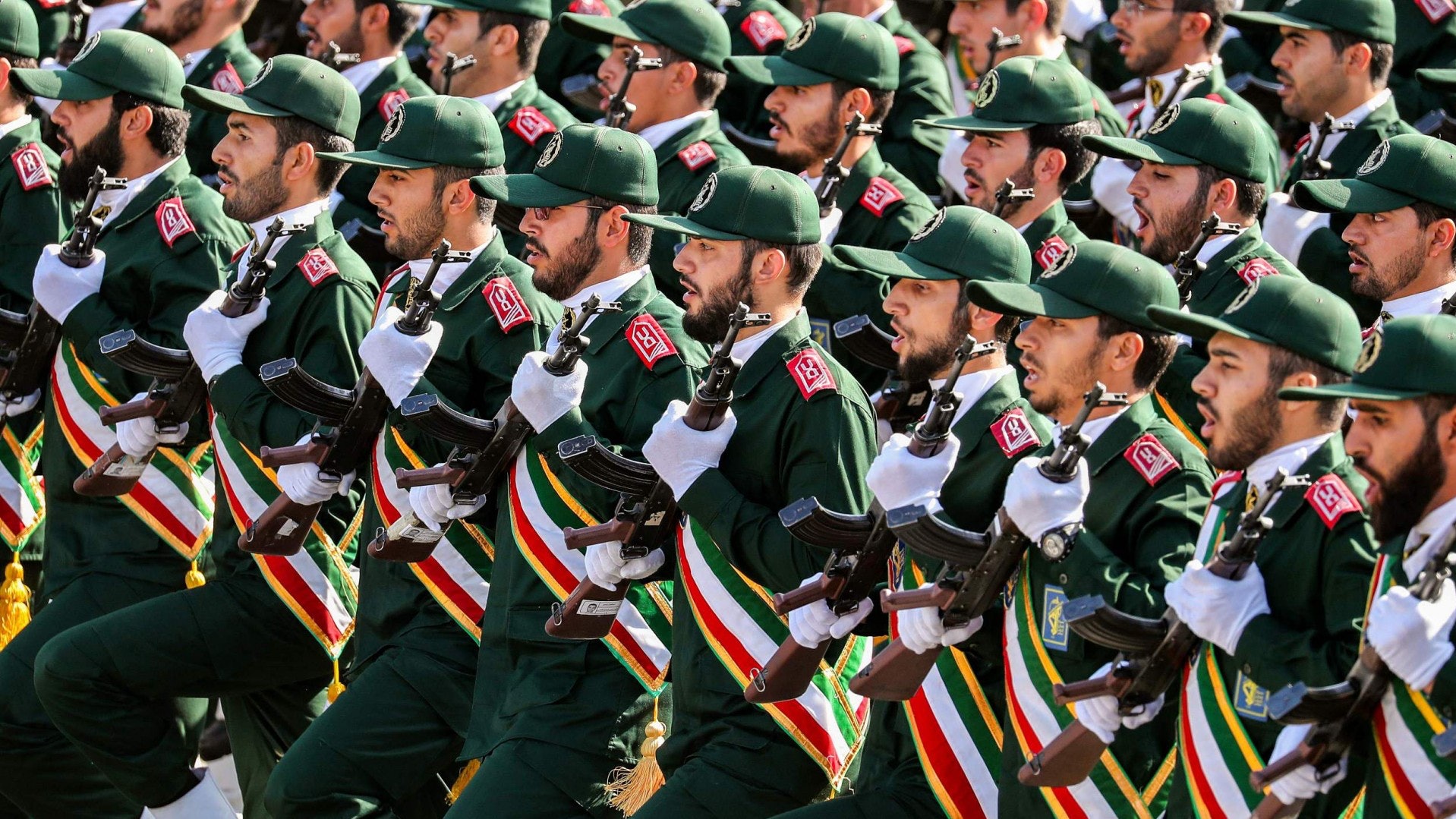
Iran’s economy hinges on two shadowy forces: bonyads and the IRGC.Bonyads, religious foundations under the Supreme Leader, are tax-exempt, subsidized, and control 20 to 30 percent of GDP. The Mostazafan Foundation, with 160 companies in finance, energy, and mining, holds 95 billion dollars in assets without audits. Intended for the poor, bonyads have become elite cash machines, crowding out private firms and fostering oligarchic monopolies. In 2025, they consume over 30 percent of the central budget, accused of funding terrorism.The IRGC, an economic black hole, controls 30 to 50 percent of the economy, from border smuggling to telecom empires. It operates telecom firms, car factories, bridge projects, and even laser eye clinics. In 2025, it secures 51 percent of oil revenue, roughly 6 billion euros, for military and proxy operations. Its economic arm, Khatam al-Anbiya, dominates major projects, seizing foreign investments under national security pretexts. These semi-state entities stifle competition, with private firms lamenting their inability to rival subsidized giants.
Energy Subsidies: A Ticking Bomb of Public Discontent
Sanctions and the shadow economy drive inflation, averaging over 30 percent for five years, hitting 43 percent in 2025, with food prices soaring. The rial has lost 62 percent of its value, pushing 33 percent of Iranians into food insecurity. To quell unrest, Iran maintains massive energy subsidies, reaching 100 billion dollars in 2022, or 27 percent of GDP. Gasoline costs a tenth of global prices, and electricity is nearly free. Yet, this distorts markets, encourages waste, and fuels smuggling. Subsidy cuts in 2019 sparked nationwide protests, and 2025 budget plans to reduce them risk further unrest.Subsidies strain the fiscal deficit, projected at 40 percent of GDP in 2025, and empower IRGC smuggling networks. Efforts to diversify, with agriculture and services at 50 percent of GDP, falter under oil dependence.
Edge of the Abyss: 2025 Crisis and Uncertain Future
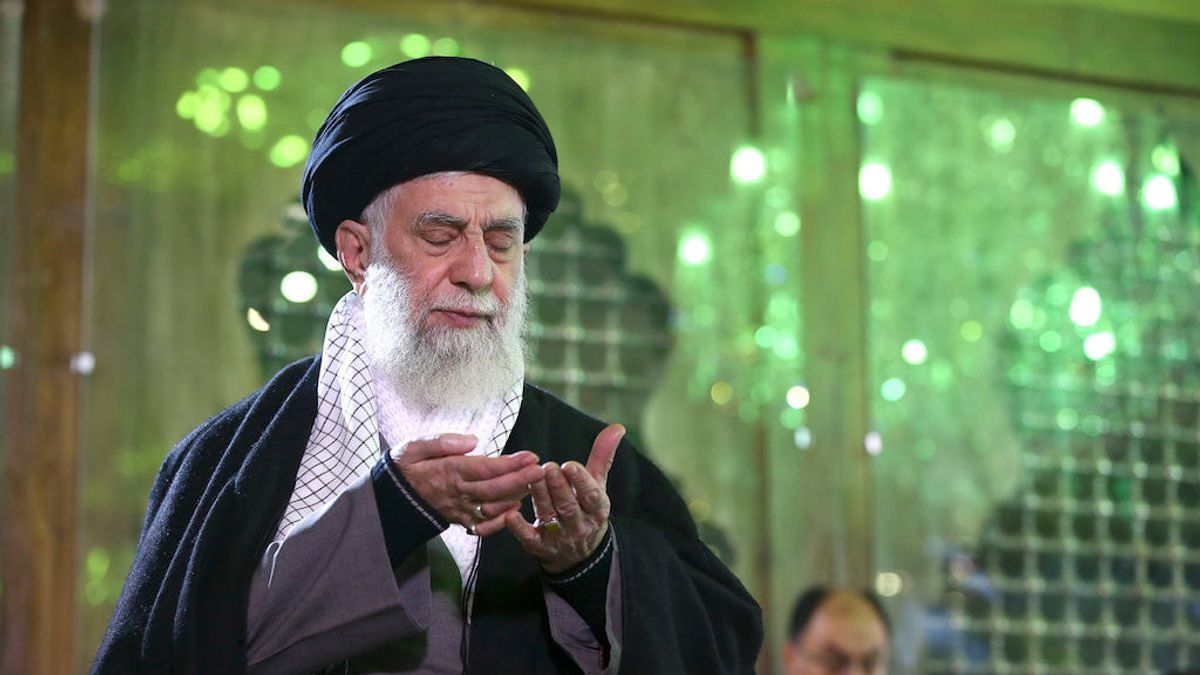
Iran’s economy faces its longest, most severe crisis in modern history. Inflation, energy shortages, corruption, and June 2025’s war with Israel, costing billions, limit growth to 0.3 percent. The private sector shrinks, youth unemployment exceeds 30 percent, and protests loom. The IMF predicts even lower growth in 2026 if sanctions persist. Diplomatic thawing, like improved Gulf ties, could attract investment, but bonyads and IRGC dominance, alongside nuclear talks’ uncertainty, clouds prospects.Iran’s economy is a ghost ship navigating a storm: oil is its engine, sanctions its reefs, and theocracy its helmsman. Resilient yet fragile, rich yet poor, only internal reform might revive this ancient civilization. Otherwise, the Persian Gulf’s waves will continue to erode its dreams.