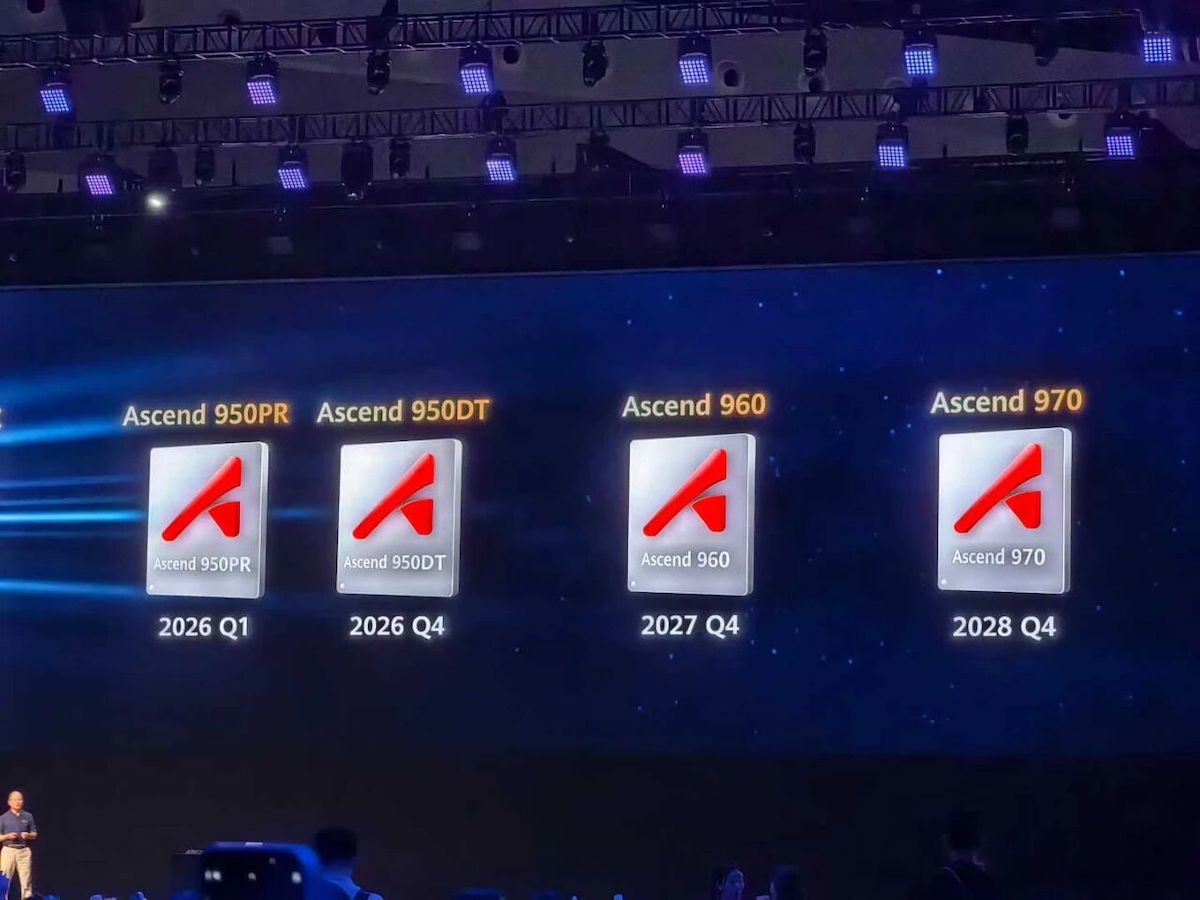
On September 18, 2025, at the Huawei Connect conference, Huawei unveiled its next-generation Ascend AI chip technology, boldly announcing plans to launch four new chips over the next three years, directly targeting NVIDIA’s global leadership in AI computing power. Amid US sanctions and geopolitical pressures, Huawei leverages self-developed technological breakthroughs and a national substitution strategy to demonstrate strong technical ambition and market competitiveness. This article analyzes Huawei’s challenge to NVIDIA in the AI chip sector through four key aspects: technical breakthroughs, chip models, political factors, and market prospects.
Technical Breakthroughs: High Performance and Massive-Scale Clusters
Huawei’s new Ascend AI chips achieve significant advancements, aiming to optimize overall computing architecture and compete with NVIDIA:
-
Self-Developed High-Bandwidth Memory: Huawei’s cost-effective HBM supports multiple precision formats like FP8, enhancing AI training and inference efficiency while reducing reliance on imported memory chips.
-
Ultra-Large-Scale Clusters: Through the Lingqu interconnect protocol, Huawei enables AI clusters of over 500,000 cards with Ascend 950 and up to 990,000 cards with Ascend 960, rivaling NVIDIA’s NVLink technology and meeting the demands of large-scale AI model training.
-
Rapid Iteration: Huawei plans to release one new chip annually, doubling computing power each year, showcasing robust R&D momentum.
-
Ecosystem Optimization: Ascend chips are deeply integrated into China’s AI ecosystem, collaborating with companies like DeepSeek to support diverse application scenarios, accelerating the autonomy of China’s AI infrastructure.
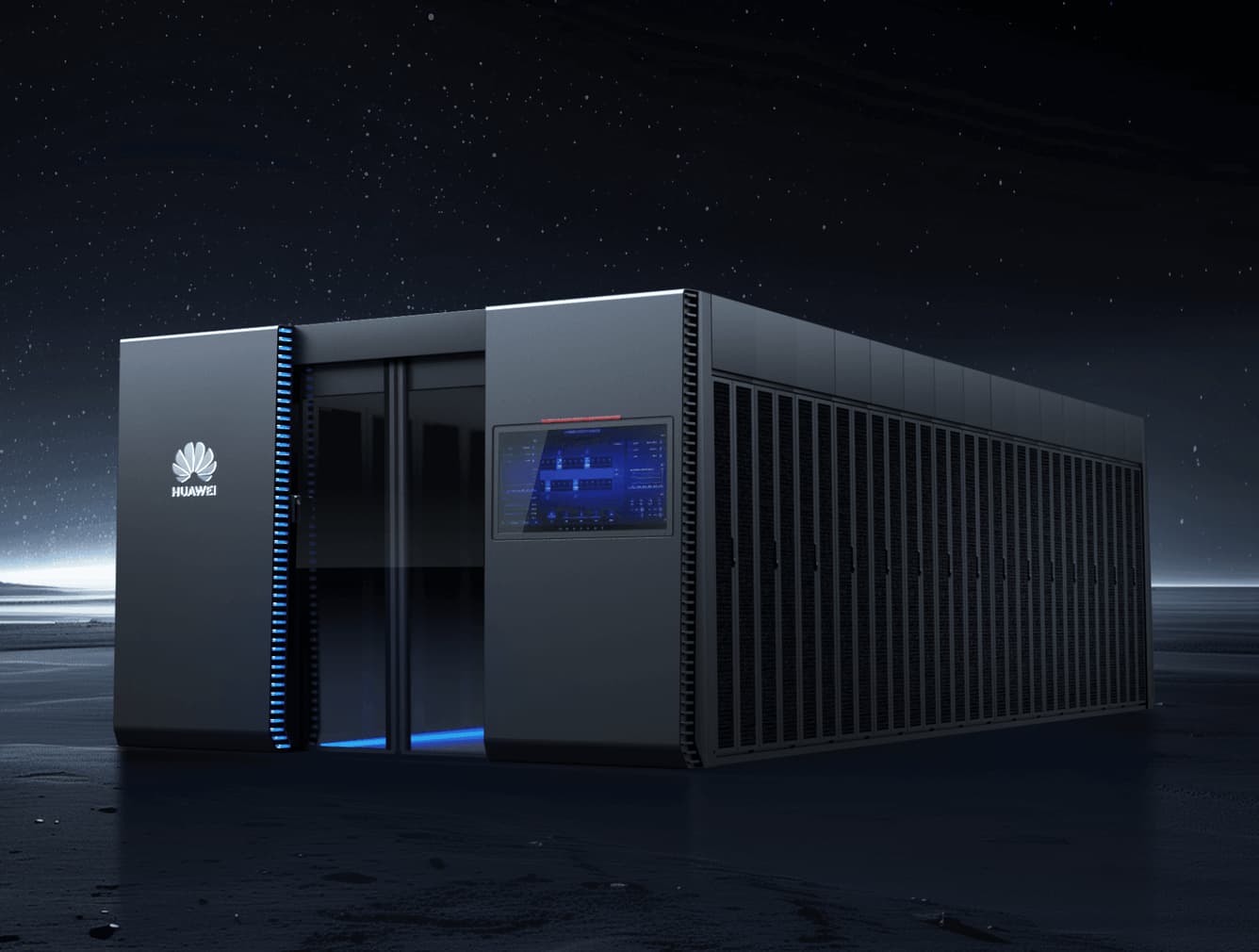
These innovations give Huawei a unique edge in cluster performance and cost control, laying a solid foundation for challenging NVIDIA.
Chip Models: From Ascend 910C to 950 and 960
Huawei’s Ascend AI chip series marks a comprehensive upgrade in its product lineup:
-
Ascend 910C: The current flagship model, widely used in AI training and inference, with stable performance and growing market share.
-
Ascend 950: Newly launched, supporting clusters of over 500,000 cards, designed for high-performance AI computing, marking a significant leap in chip performance.
-
Ascend 960: A higher-end model, capable of forming clusters exceeding 990,000 cards, representing Huawei’s cutting-edge AI chip technology for ultra-large-scale AI infrastructure.
The jump from Ascend 910C to 950 and 960 reflects Huawei’s accelerated R&D pace. These models target different application scenarios, showcasing Huawei’s diversified approach in AI computing.
Political Factors: China’s Restrictions and Push for Domestic Substitution
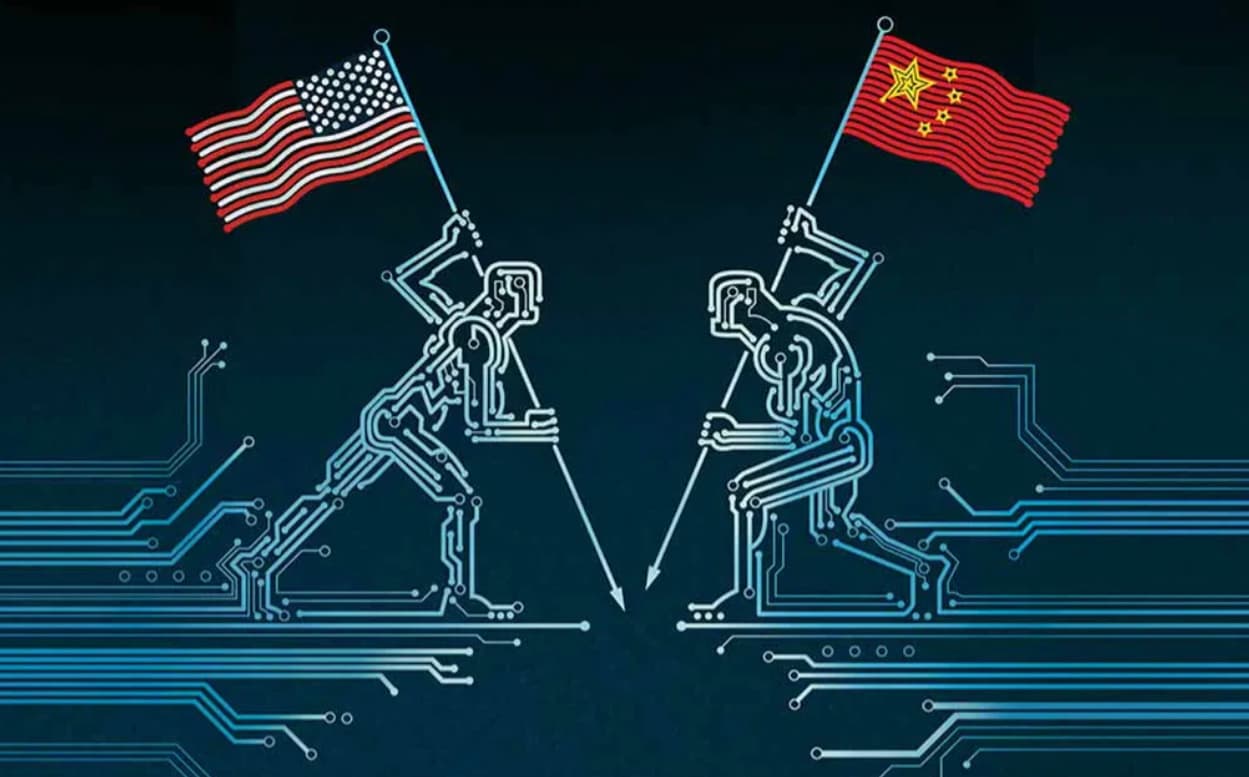
Geopolitical dynamics significantly shape Huawei’s AI chip development. US sanctions and China’s restrictions on foreign technology have accelerated the rise of domestic AI chips:
-
US Sanctions Pressure: Since 2019, US export controls have limited Huawei’s access to advanced chip manufacturing equipment and high-end GPUs, pushing Huawei to accelerate self-developed AI chips and HBM technology.
-
China’s Procurement Restrictions: Since 2024, China’s limits on purchasing NVIDIA GPUs in certain sectors have driven domestic companies toward Ascend chips. Data from 2024 shows Huawei’s Ascend holding a 23% share of China’s GPU market, second only to NVIDIA’s 70%.
-
Domestic Substitution Strategy: China strongly supports semiconductor independence, with Huawei, as a leading player, receiving policy and financial backing to accelerate AI ecosystem development and market penetration.
These political factors create opportunities for Huawei while intensifying the technological rivalry between China and the US.
Market Prospects: Integrated Ecosystem and Domestic Breakthrough Potential
Huawei’s Ascend AI chips, driven by technology and policy, are steadily challenging NVIDIA’s market dominance. While single-chip performance may lag behind NVIDIA, Huawei’s integrated hardware, software, and operating system approach, combined with its collaboration with DeepSeek on fully domestic next-generation large models, positions it as a strong contender in overall efficiency:
-
Integrated Ecosystem Advantage: Huawei’s synergy of chips, operating systems, and AI ecosystem, including partnerships with DeepSeek to develop domestic large models, optimizes end-to-end performance, compensating for single-chip performance gaps.
-
Domestic Manufacturing Breakthroughs: As China’s chip fabrication processes advance, Huawei is poised to narrow the technological gap with NVIDIA, enhancing Ascend chip performance and competitiveness.
-
Market Opportunities: Huawei’s cost advantages and cluster technology attract domestic cloud providers and AI firms. Reuters notes that Huawei’s chip launch reduces China’s reliance on US supply chains, while NVIDIA’s CEO Jensen Huang acknowledged in July 2025 that Huawei’s AI chips could eventually overtake NVIDIA.
-
Challenges: NVIDIA’s CUDA ecosystem and global brand dominance remain formidable, and Huawei must overcome technical adaptation and brand recognition barriers in international markets, alongside manufacturing constraints due to sanctions.
Conclusion: A Fierce Battle in the AI Computing Arena
Huawei’s launch of next-generation Ascend AI chips marks its bold ascent in the AI computing field. With Ascend 950 and 960, advanced cluster technology, rapid iteration, and collaboration with DeepSeek on fully domestic large models, Huawei demonstrates efficiency comparable to US competitors. Fueled by China’s restrictions and domestic substitution policies, Huawei is steadily eroding NVIDIA’s market share.
While challenges like single-chip performance gaps and international market expansion persist, ongoing breakthroughs in domestic chip fabrication promise to intensify the competition between Huawei and NVIDIA. This China-US showdown in the AI computing race is one to watch closely.