Introduction
Solid-state batteries are hailed as the “holy grail” of next-generation battery technology, poised to transform the future of electric vehicles, energy storage systems, and consumer electronics. Compared to traditional liquid lithium-ion batteries, solid-state batteries offer significant advantages in safety, energy density, and lifespan. However, despite their immense potential, their commercialization faces numerous challenges. This article explores the history, technical approaches, challenges, and future outlook of solid-state batteries based on recent developments.

History and Latest Developments
The concept of solid-state batteries dates back to the 1970s, but the first rechargeable design was proposed in 1991. Due to high costs and manufacturing complexities, liquid lithium-ion batteries became the mainstream choice. However, with the rapid growth of the electric vehicle market and the demand for high-performance batteries, solid-state batteries have regained industry attention in recent years.Globally, numerous companies are accelerating their efforts in solid-state battery technology. Japanese automakers like Toyota, Honda, and Panasonic have invested heavily, with Toyota holding over 1,000 solid-state battery-related patents. In Europe, Mercedes-Benz, and in China, companies like Weilan New Energy, QingTao, and Ganfeng Lithium are frequently announcing technological breakthroughs, highlighting the intense global competition.
Solid-State vs. Semi-Solid-State Batteries: Transition and Reality
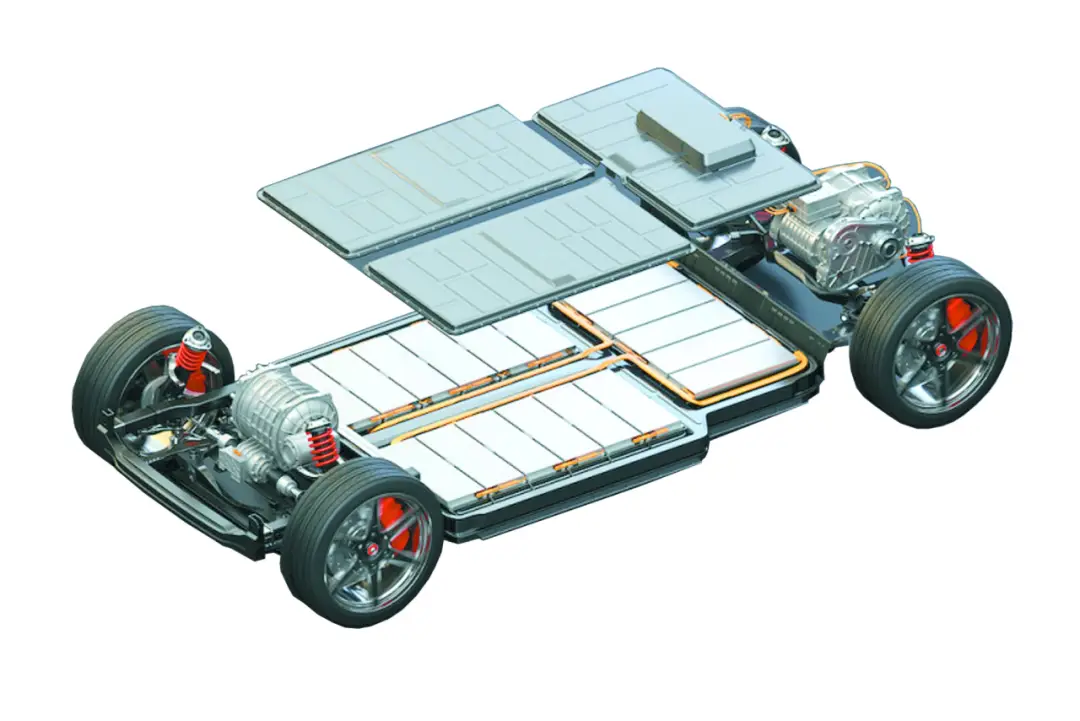
Many “solid-state batteries” currently slated for mass production are, in fact, semi-solid-state batteries. These batteries reduce the amount of liquid electrolyte to enhance safety and achieve higher production yields (over 80%), serving as a transitional technology toward fully solid-state batteries. While semi-solid-state batteries offer only a modest improvement in energy density compared to liquid batteries, their enhanced safety makes them appealing for high-end electric vehicle markets.
Technical Approaches and Challenges
The core of solid-state batteries lies in the choice of solid electrolytes, with three main technical approaches:
-
Polymer Electrolytes
-
Key Players: Volkswagen, BMW
-
Features: Polymer electrolytes are flexible and lightweight, making them easy to process. However, their low ionic conductivity at room temperature requires operation above 60°C, limiting their applications.
-
Challenges: Improving conductivity at room temperature while maintaining cost-effectiveness.
-
-
Oxide Electrolytes
-
Key Players: QingTao, Ganfeng Lithium
-
Features: Oxide electrolytes, with their ceramic properties, offer high stability and safety, making them a key direction for solid-state batteries.
-
Challenges: Their rigid structure makes manufacturing complex and costly, with production costs potentially 5–10 times higher than liquid lithium-ion batteries.
-
-
Sulfide Electrolytes
-
Key Players: CATL, Toyota, Samsung
-
Features: Considered the “ultimate solution,” sulfide electrolytes offer high ionic conductivity and energy density potential.
-
Challenges: Sulfides are highly sensitive to moisture and oxygen, producing toxic hydrogen sulfide gas upon contact, which complicates production and safety design.
-
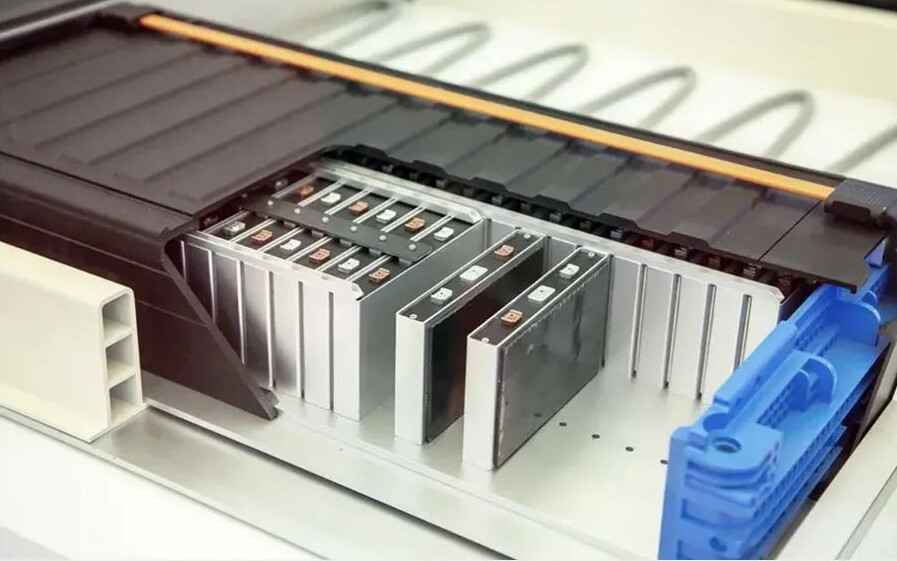
The primary bottleneck for solid-state batteries is not research but achieving large-scale, low-cost production. The complexity and high cost of current manufacturing processes hinder their rapid adoption in consumer markets.
Future Outlook
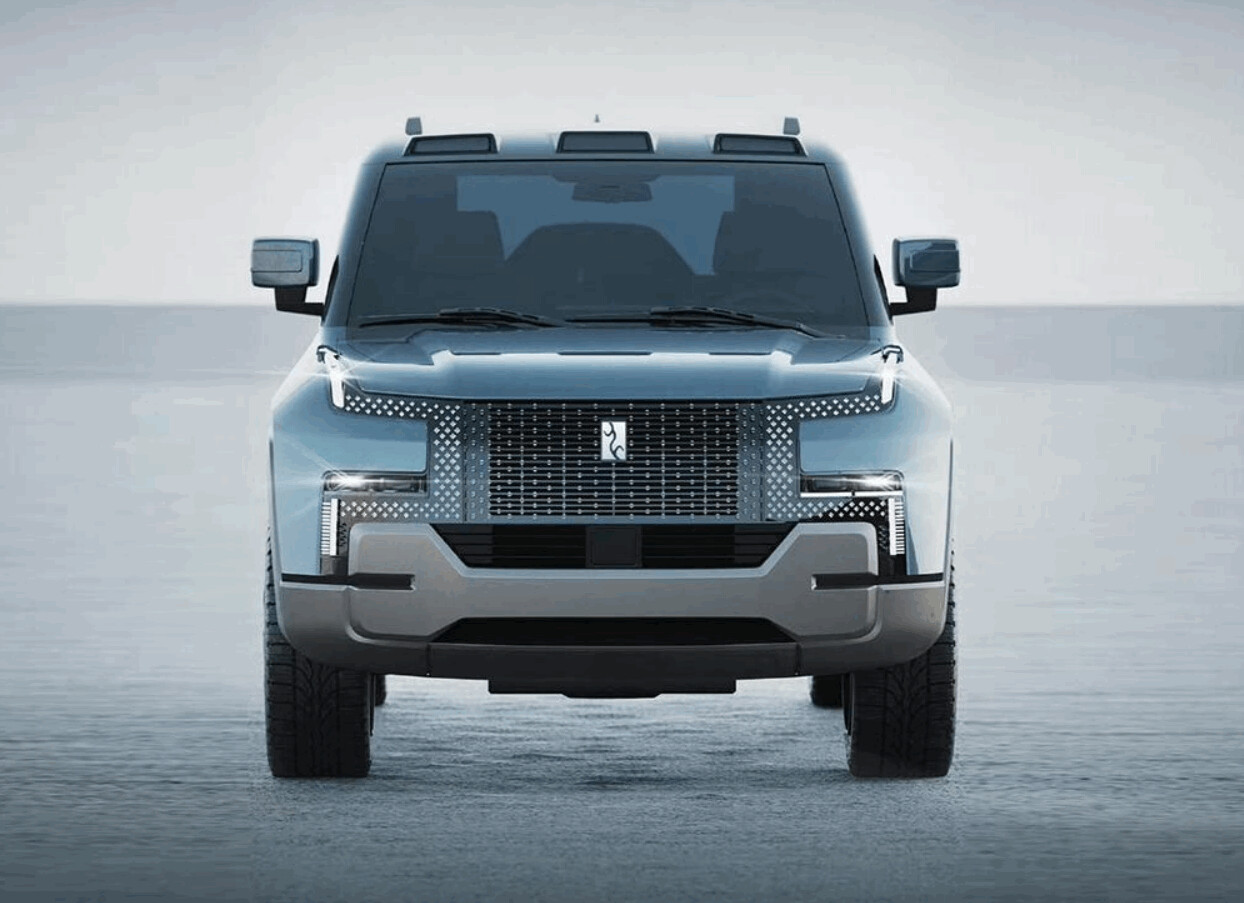
The commercialization of solid-state batteries will be a gradual process. In the short term (within 3–5 years), semi-solid-state batteries are expected to be integrated into high-end electric vehicles as costs decline. Fully solid-state batteries, however, remain a longer-term goal, likely requiring 5–8 years or more for widespread adoption. This will depend on breakthroughs in core materials (e.g., solid electrolytes) and manufacturing processes.Furthermore, the broad adoption of solid-state batteries will significantly enhance electric vehicle range (potentially exceeding 1,000 km), reduce charging times, and improve battery safety and lifespan. These advantages will revolutionize the electric vehicle industry, energy storage systems, and portable electronics.
Conclusion
Solid-state battery technology represents the future of energy storage, but its commercialization faces significant hurdles. From the transitional use of semi-solid-state batteries to the eventual realization of fully solid-state batteries, global competition and collaboration will accelerate this process. In the future, as technological breakthroughs and cost reductions materialize, solid-state batteries are poised to become a key driver of the clean energy transition, injecting new momentum into sustainable development.