Introduction: The Legendary “Seafood Market” of Huaqiangbei
In Shenzhen, often dubbed China’s Silicon Valley, the Huaqiangbei electronics market operates like a bustling “seafood market” where fresh goods flow endlessly, and buyers haggle over prices. A YouTube video titled “Inside China’s Chip Black Market! Shenzhen’s Huaqiangbei Like a Seafood Market: Need a Better Graphics Card? Chinese Modders Build One On-Site with Live Soldering! Witness a 24GB Card ‘Magically’ Upgraded to 48GB” vividly captures this scene: modders wield soldering irons, upgrading graphics card memory from 24GB to 48GB on the spot, even involving smuggling and capacity expansion for high-end products like the RTX 5090.
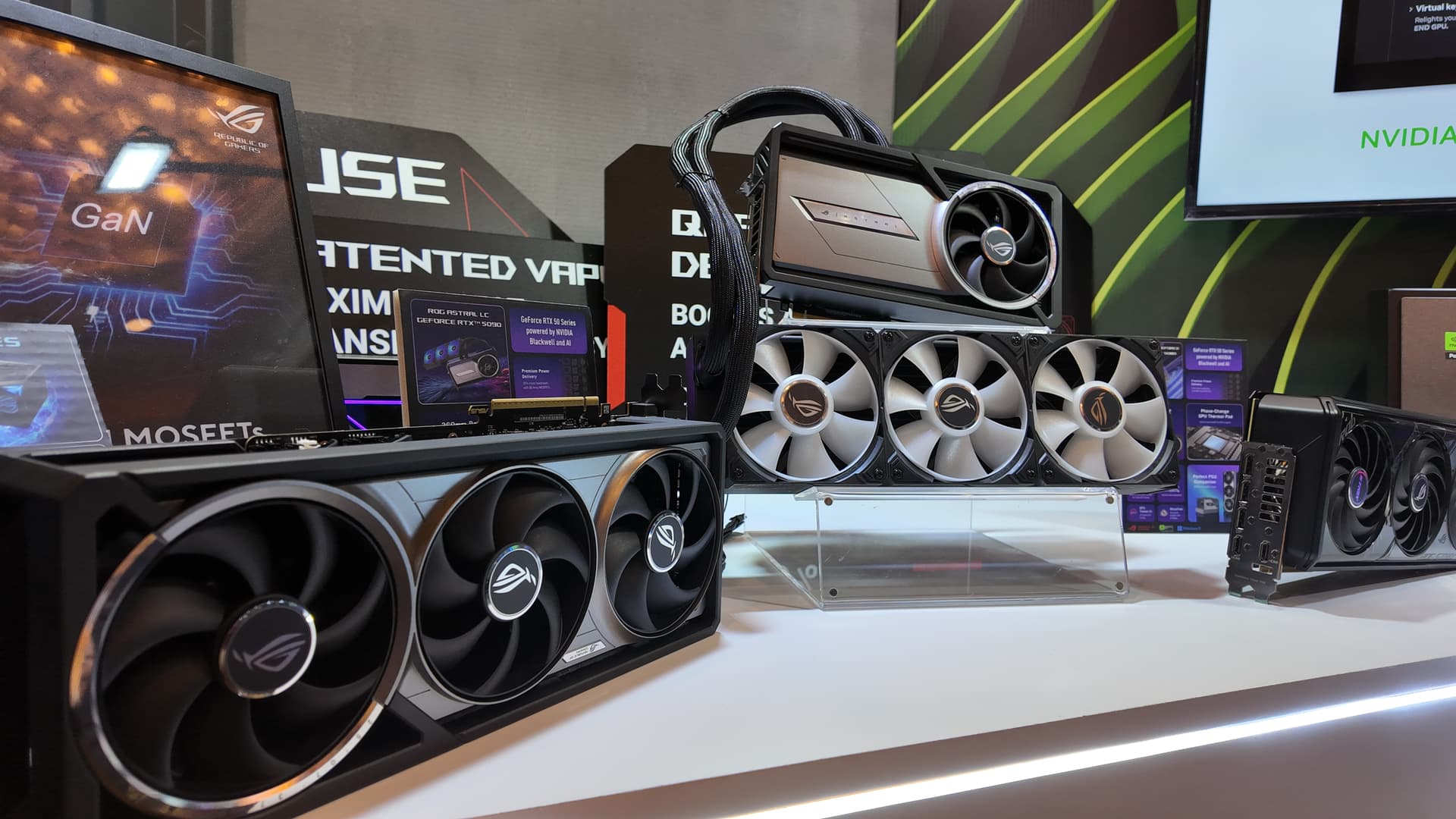
This gray ecosystem is not an isolated case but a microcosm of Shenzhen’s electronics supply chain. iPhone storage upgrades, refurbished chips, and smuggled high-end GPUs are commonplace, particularly amid escalating China US tech tensions. Reports indicate that since 2023, US export restrictions have driven prices of high-end AI chips like Nvidia’s to soar 500 times in the black market, with cash-only transactions prevalent. Beyond Shenzhen, similar channels exist in Shanghai, Nanjing, Beijing, Chengdu, and Chongqing, but Huaqiangbei remains the core hub, radiating nationwide and globally. This article compiles relevant information to introduce this ecosystem, analyze Shenzhen’s advantages, explore its significance for consumers and hardware innovators, and provide a guide for small teams and foreign merchants navigating Shenzhen’s market.

Overview of China’s Gray Electronics Ecosystem: From Smuggling to On-Site Modifications
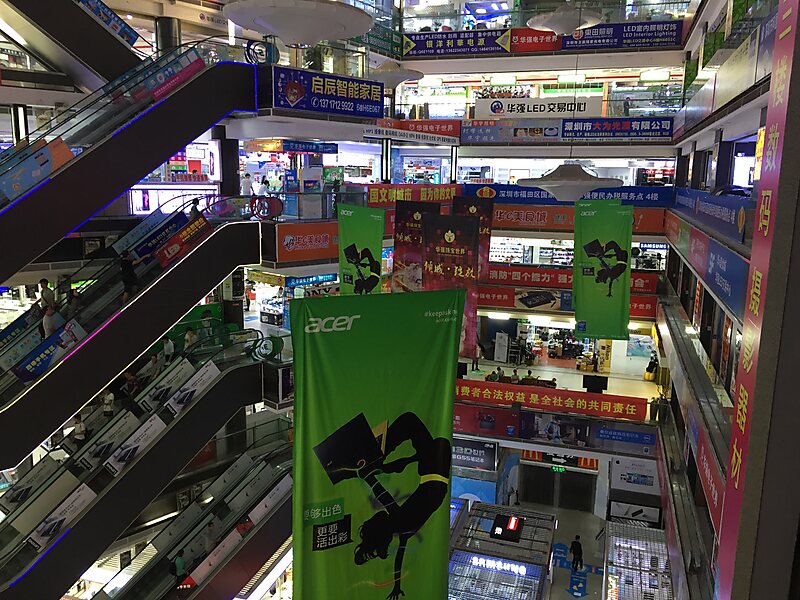
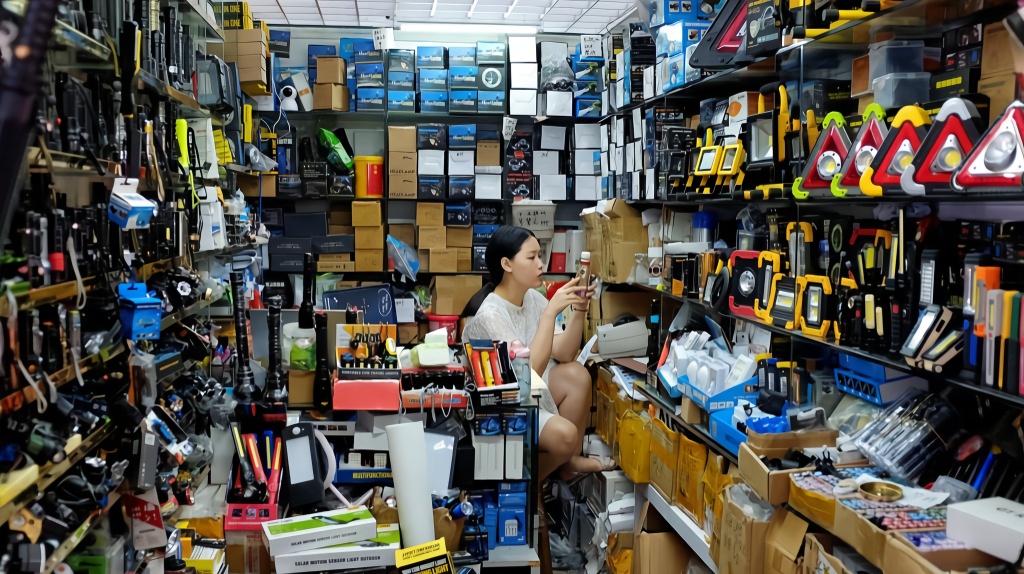
China’s gray electronics ecosystem, centered in Shenzhen’s Huaqiangbei, forms a highly flexible, chaotic underground network. Huaqiangbei spans about 1.4 square kilometers, hosting over 20,000 vendors with an annual trade volume exceeding 400 billion yuan. It’s not just a retail market but a full supply chain encompassing procurement, disassembly, modification, and distribution. Key activities include:
-
Smuggling and Second-Hand Chip Circulation: Amid global chip shortages and export controls, high-end chips like Nvidia’s A100 and H100 series often enter via Hong Kong Shenzhen smuggling routes. During the 2021 chip shortage, Huaqiangbei vendors imported “blind box” containers from overseas, dismantling them to sell usable chips at 5 to 10 times the original price. X platform discussions reveal that Nvidia graphics cards hoarded in places like Singapore flow into Huaqiangbei for AI training. Second-hand chips flood the market, but buyers must beware: four out of five chips may be fake. In April 2025, multiple Huaqiangbei stalls “sealed inventories,” halting CPU and GPU price quotes, as vendors anticipated price surges from tariff wars.
-
Product Modification and Capacity Expansion: The video’s depiction of “on-site soldering” is no exaggeration. iPhone storage upgrades from 128GB to 1TB cost just a few hundred yuan, a service available nationwide. Graphics cards like the RTX 4090 and 5090 are often “magically modified” by adding memory chips to meet gaming or AI demands. Huaqiangbei hosts specialized modification workshops operating 24/7. Other products, like drone chips and automotive ECUs, are also refurbished in this gray market. X users note that discarded phones from Europe and the US feed into Shenzhen’s repair chain, forming an international theft resale network.
-
Regional Expansion and Online Offline Integration: While Huaqiangbei is the epicenter, the gray ecosystem extends nationwide. Shanghai’s “electronics street” focuses on high-end ICs, Beijing’s Zhongguancun emphasizes software hardware integration, and Chengdu and Chongqing handle low-cost assembly. Online platforms like 1688 and Huaqiang Electronics Network offer “spot goods” services, evading regulation. After a 2022 crackdown on imported phones, vendors shifted to cross-border e-commerce, shipping orders from Huaqiangbei to Southeast Asia. Estimates suggest this ecosystem’s annual trade exceeds 1 trillion yuan, accounting for over 10% of China’s electronics market.

This ecosystem, though gray, is efficient: during the pandemic, refurbished chips “saved” the automotive and consumer electronics industries. However, risks like counterfeit goods and intellectual property violations persist, drawing international scrutiny.
Shenzhen’s Advantages: A Convergence of Geography, Policy, and Supply Chain
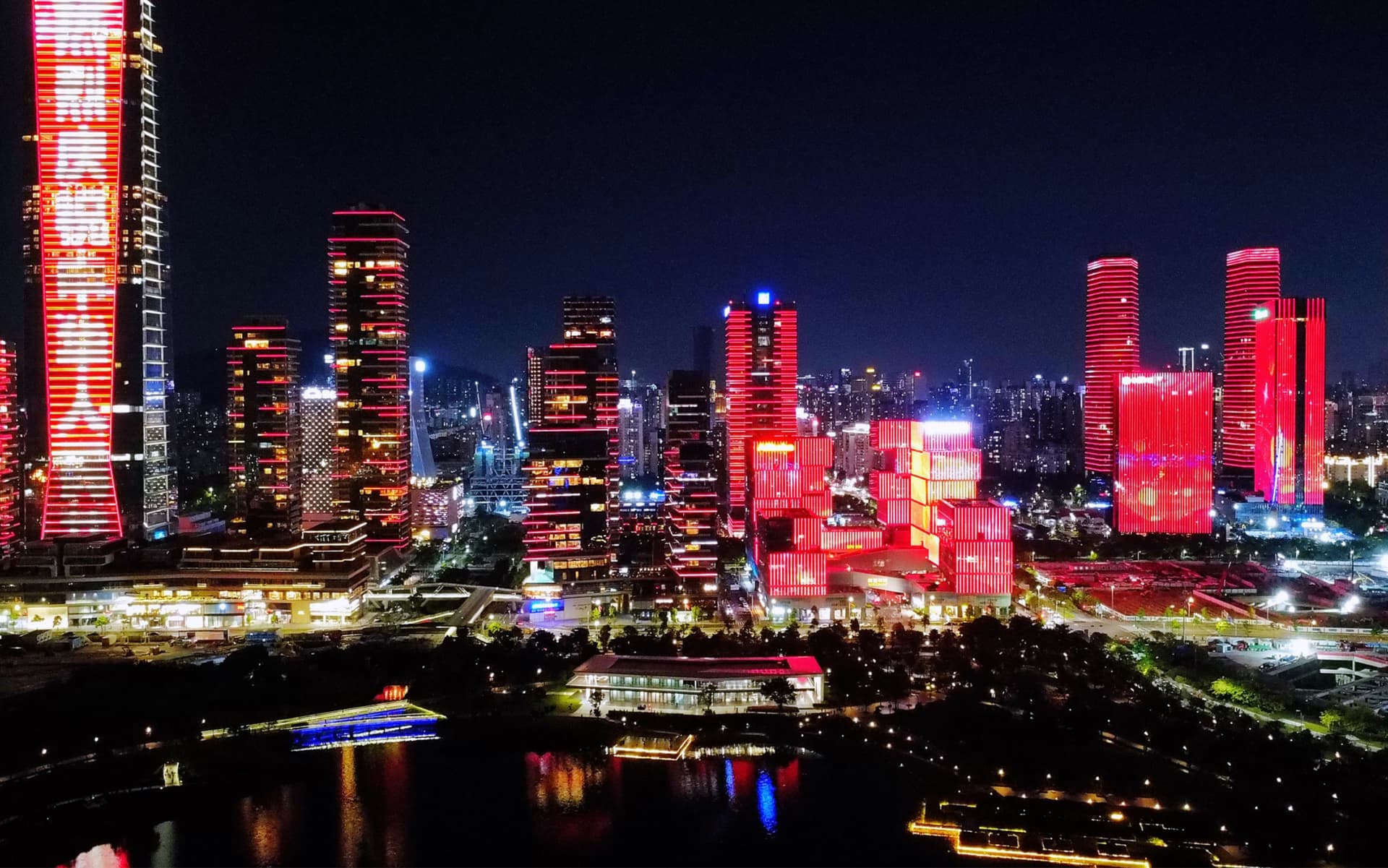
Shenzhen, as the “engine” of this gray ecosystem, owes its edge to a unique blend of factors, making Huaqiangbei a global electronics treasure trove.
1, geographic and logistical strengths: Adjacent to Hong Kong, Shenzhen is a smuggling “golden corridor.” Speedboats shuttle goods in just 30 minutes, bypassing mainland customs. During the 2021 chip shortage, Hong Kong’s “Tier 1” clients offloaded substandard goods directly to Huaqiangbei. Shenzhen’s port, the world’s third-largest by throughput, connects to the Pearl River Delta’s factory cluster, enabling instant assembly.
2, policy and demographic advantages: As a reform and opening-up pioneer, Shenzhen enjoys special economic zone benefits, such as the 2024 national initiative to establish an electronic components trading center with relaxed market access. Its demographic edge is notable: Huaqiangbei vendors, mostly “post-80s” entrepreneurs averaging 35 years old, are highly adaptable. In 2025, amid China US tariff tensions, Shenzhen vendors stockpiled goods, hoping to profit.
3, complete supply chain: Shenzhen’s electronics industry accounts for one-sixth of China’s total, with a 2022 output of 2.48 trillion yuan. From design (Huawei, DJI) to manufacturing (Foxconn) to distribution (Huaqiangbei), it forms a one-stop loop. The gray ecosystem leverages this: vendors operate “front shop, back factory” models, renting counters for sales while Pearl River Delta factories produce. Unlike Silicon Valley’s software focus, Shenzhen’s hardware ecosystem is practical, enabling rapid iteration.
4, innovation culture and low barriers: Huaqiangbei, dubbed the “hardware Silicon Valley,” thrives on reverse-engineering foreign products, spawning knockoff innovations. At the 2024 CITE expo, Shenzhen’s AI hardware accounted for over 50% of exhibits. These strengths make Shenzhen’s gray ecosystem resilient, quickly pivoting to cross-border trade despite the 2022 crackdown.
Significance of the Gray Ecosystem: A Double-Edged Sword for Consumers and Innovators
For consumers, Huaqiangbei’s gray ecosystem is a “cost-performance paradise.” Services are affordable: iPhone storage upgrades cost 200 to 500 yuan, far below official prices; smuggled graphics cards are 30% to 50% cheaper, catering to budget-conscious users. During the chip shortage, it ensured supply: refurbished goods filled gaps, preventing production halts in electronics. X users praise its “always a way” approach, especially for gaming and AI enthusiasts. However, risks abound: fake chips can damage devices, posing safety hazards.
For hardware innovators, the ecosystem is critical. As an “innovation network” hub, Huaqiangbei offers low-cost prototype testing. Major firms like Huawei source components to accelerate R&D; small businesses validate ideas via modifications. In 2021, one vendor earned millions in six months reselling chips. Global telecom product development relies on Huaqiangbei’s support. Amid export bans, it aids firms in pivoting to domestic alternatives, boosting supply chain resilience. Yet, intellectual property issues invite international sanctions, necessitating a shift to formalization for long-term sustainability.

Small Teams Innovating in Shenzhen: Grassroots Success from Huaqiangbei
Small teams find Huaqiangbei an ideal “incubator” for innovation. Steps to succeed include:
-
Choosing a Base and Starting: Rent a Huaqiangbei counter (5,000 to 10,000 yuan monthly) to test the market. Leverage the “front shop, back factory” model, with Pearl River Delta factories cutting costs by 30%.
-
Prototype Development: Source second-hand chips and components for rapid assembly. Join incubators like Shenzhen Polytechnic’s entrepreneurship center for policy subsidies. In 2024, AI initiatives supported small teams.
-
Funding and Iteration: Attend CITE expos to attract investors. X case studies show entrepreneurs starting with data cables and scaling to millionaires in 15 years. Reverse-engineering foreign products sparks innovations like drone accessories.
-
Risk Management: Avoid gray market pitfalls by shifting to online platforms. Success stories like Zhongke Lanxun, which grew from Huaqiangbei to a STAR Market listing, prove the model’s potential.
Small teams benefit from low entry barriers (100,000 yuan startup capital) and strong network effects. Shenzhen’s ecosystem fosters millionaires due to its inclusivity.
Guide for Foreign Merchants: Safe and Efficient Procurement in Shenzhen
Foreign merchants sourcing in Shenzhen must navigate visas, language, and compliance. Steps include:
-
Preparation: Obtain an M visa (business) or F visa (exchange). Use translation apps and contact Huaqiang Electronics Network for bookings. In 2023, entrepreneur Xiao Pei scaled from 20,000 yuan to cross-border success via Huaqiangbei.
-
On-Site Procurement: Take the metro to Huaqiang Road station and explore SEG or Huaqiang Electronics World. Bargain with cash and use apps to verify authenticity. Focus on spot goods to avoid hoarding risks. Online alternatives include 1688 and HQBUY for one-click orders.
-
Logistics and Compliance: Use FedEx for customs clearance, avoiding banned items like high-end AI chips. Cross-border e-commerce ships directly to Southeast Asia. Shopee seller guides highlight Shenzhen’s factories for product matrices.
-
Risk Mitigation: Hire local agents and check intellectual property compliance. Success stories include vendors selling data cables from Huaqiangbei, reaching billions in sales annually. Why come? Huaqiangbei’s sourcing efficiency is unmatched globally.
Conclusion: The Future of the Gray Ecosystem, From Underground to Mainstream
Shenzhen’s Huaqiangbei gray ecosystem is China’s innovation “dark energy”: it saves consumers money, supports enterprises, and paves the way for small teams. Yet, with global regulations tightening, it must evolve from smuggling to formal supply chains and from modifications to original R&D. By 2025, as domestic chips rise, this ecosystem may reshape the global electronics landscape. Foreign merchants should explore this “magical” hub to experience its unique offerings firsthand.