The China and US Madrid negotiations reached a preliminary framework agreement, continuing the truce. Both sides made breakthroughs on core issues, including the TikTok issue, tariff disputes, technology disputes, and geopolitical topics, achieving initial consensus. Although some core conflicts cannot be resolved through ministerial-level talks, it is reported that Xi Jinping and Trump may hold a phone call, and a meeting to discuss deeper issues is not ruled out. So, who made more concessions?
My personal observation is that China conceded more, but this is a strategy of trading space for time to avoid a premature full confrontation with the US, which would place China in significant strategic uncertainty. Thus, Trump’s political blackmail against China achieved some results, with the US gaining superficial advantages. Trump will likely tout these as achievements to address midterm election pressures. In this video, we will briefly discuss whether China made more concessions and why.
Before discussing this topic, we need to understand a premise: the Trump administration can no longer find a way to quickly defeat China. They have lost the confidence and determination to do so, which is why they are willing to negotiate with China, attempting to gain advantages to address domestic political pressures. The Chinese government clearly understands that many of Trump’s demands are blackmail, and his leverage is insufficient to intimidate China. However, China is still willing to make concessions, as long as it holds firm on core interests like Taiwan and the South China Sea. Other issues are negotiable, and China does not mind making additional concessions to satisfy Trump’s ego.
If Trump had a method to defeat China with minimal damage to the US, he would not negotiate with China. Xi Jinping would not be his friend but, like Modi, would face humiliation as someone with no cards to play.China is not afraid of confronting the US, so it will not yield on core interests. However, China is well aware that global geopolitics is highly complex. A life-or-death struggle with the US, even if China narrowly wins, would come at an unprecedented cost, leaving both nations as severe casualties with plummeting international status. In the new international order shaped by Trump and the US right wing, the law of the jungle means every nation can only rely on its own strength. If China and the US are both severely weakened by conflict, other powers like Russia, the EU, Japan, South Korea, and India would benefit, disrupting the current China and US-dominated international order.
In such an environment, China’s situation would be more dangerous than that of the US. Japan, South Korea, and the EU are traditional US allies, and their hostility toward China is evident. Without China’s current strength, they would not hesitate to bury China and eliminate the threat entirely.
Over nearly 200 years since the late Qing Dynasty, China has been striving for national rejuvenation, trying various paths, enduring wars and disasters, and finally approaching the realization of its dream. Now, at this critical juncture, China must not act impulsively but should remain steady and advance slowly. Through this long process, the Chinese people have regained confidence and are keenly aware of their shortcomings. As long as no major mistakes are made, China can reclaim its position as the world’s leading power in 15 to 20 years. If offering some ego boosts to Trump can buy strategic time and space, China is willing to accommodate him generously.
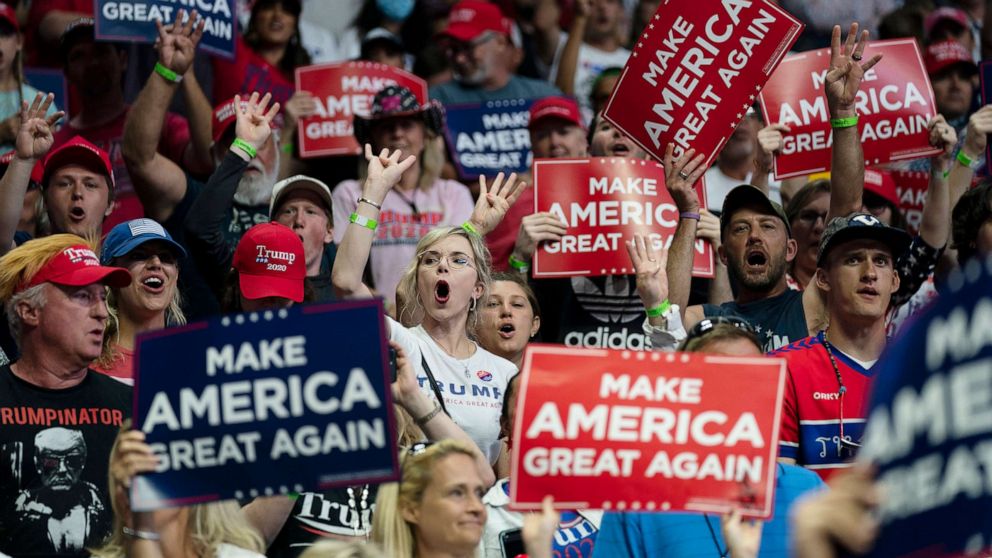
The US today is no longer the powerful beacon of humanity it was after World War II or the Soviet Union’s collapse. Under Trump and MAGA leadership, it has become a selfish, deeply divided, and debt-overloaded nation. The US faces severe deindustrialization, with reindustrialization proving extremely difficult. High debt levels make the traditional US model of printing dollars to export economic crises unsustainable, especially with a strong nation like China in the picture. Without China’s cooperation, the US struggles to maintain the dollar’s status as the world’s currency, and its hegemonic position is being steadily eroded. The intense conflict between the US left and right has led to ongoing political vendettas, and the nation risks slipping into a new civil war.
Perhaps China does not need to fight the US but simply manage its own affairs and wait quietly as the US collapses in the struggle between MAGA and woke factions. Indeed, China does not need to strike the US; the US is already traped in a self-destructive crisis.In ten years, China’s industrial modernization will be even more advanced, and its advantages over other nations will grow. Not only will innovative companies like BYD, Huawei, DJI, Unitree, and Insta360 dominate their global industries, but more small and medium-sized innovative firms will likely rely on China’s complete industrial chain, innovation environment, and talent system.
A decade from now, most major industrial technological breakthroughs may occur in China. Beyond traditional Chinese strengths in consumer electronics, electric vehicles, solar energy, shipbuilding, and rare earths, China could establish unshakeable advantages in aviation, aerospace, military industries, and more.The advanced chip manufacturing issue currently troubling China may also be resolved. Chinese companies will close the computing power gap with US firms, fostering more software innovators like TikTok and DeepSeek, ending US software dominance. As many US tech leaders acknowledge, half of the world’s chip and AI talent is in China, and China is the only nation capable of providing an integrated hardware and software AI innovation environment, enabling practical AI applications that create real value. In contrast, the US’s advantage in AGI shows no signs of revolutionary breakthroughs.
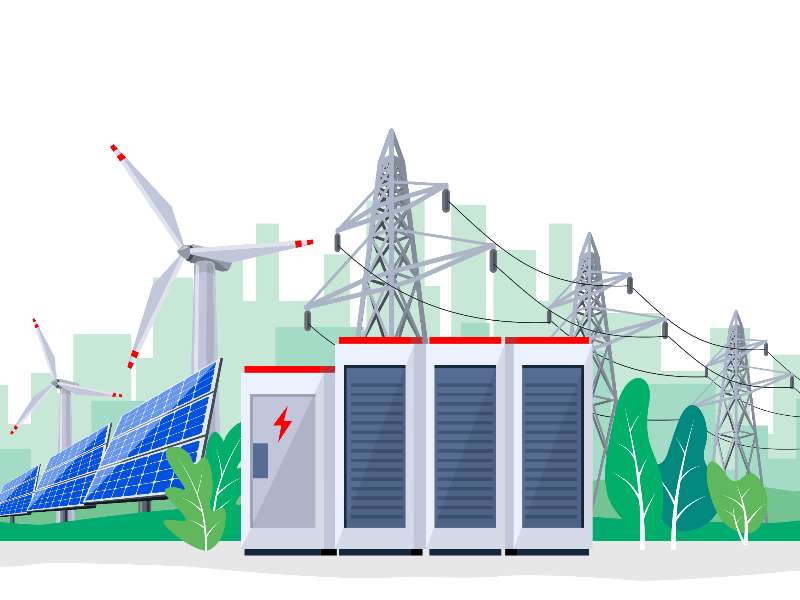
Thus, time is on China’s side, while the US faces increasing urgency.In the technology war represented by chips and AI, the importance of infrastructure, especially power facilities, is self-evident. Both China and the US have long-term plans in the critical nuclear energy sector. However, China overwhelmingly surpasses the US in renewable energy, and its infrastructure construction capacity far exceeds that of the US and Western nations. China not only leads decisively in power generation but also has far more projects under construction. While China’s sharply declining population growth rate may be a concern, as a nation of 1.4 billion, its vast technical resources mitigate the impact of this crisis.
The US is likely to falter before China’s human resource advantage diminishes.Thus, the current so-called negotiations between China and the US are more about short-term political interests and compromises by both governments and leaders. Any agreement reached at this stage is non-binding for the US, as the dynamics between China and the US are constantly shifting, and time increasingly favors China. Trump will likely repeatedly tear up agreements and blackmail China. China must prepare for complete decoupling from the US and even start planning now for the possibility of US-initiated conflict. Indeed, apart from waging war, I see no way for the US to defeat China. I believe US politicians also recognize this, as time is on China’s side.
In reality, Trump cannot be re-elected, so he has no need to confront China during his term. His family is deeply involved in the cryptocurrency market, with significant interests in China, particularly Hong Kong. If the Chinese government cooperates and provides favorable conditions, his family could reap substantial benefits. Having already profited significantly in the US, using the remainder of his term to secure those gains and extract superficial concessions from China as political achievements is likely his best course. Therefore, I predict that during Trump’s term, China and the US will compete but avoid a complete breakdown. Trump may act erratically, but China will respond calmly.
As I predicted in previous videos, the Republican Party will lose power in four years, and Democrats will then clean up the mess, rallying European allies, Japan, South Korea, Australia, and India. However, the deep rifts caused by Trump will make it difficult and time-consuming to repair those relationships to jointly counter China. Thus, China has seven to eight years to prepare.
At that point, China could choose to confront the US directly and seize greater benefits. Personally, I hope China and the US can repair their relationship and engage in healthy competition, as this would be the best approach. The Chinese people love peace, but we cannot easily trust the US, as the initiative lies in their hands. I hope the world achieves peace soon, as technology can resolve most of humanity’s current conflicts, and we need not descend into mutual destruction through war.