The United States and China have reached a framework agreement on TikTok’s US operations. TikTok’s US business will be sold to an American company, with daily operations and data stored entirely in the United States. ByteDance will not hold shares in the US business but will retain control over the algorithm. Potential buyers include Meta, Walmart, Oracle, and other consortiums.
I speculate that Oracle will ultimately acquire it, as Oracle’s CEO Larry Ellison is a major supporter of the Republican Party and Trump. TikTok’s US data is already stored on Oracle’s cloud services, making integration easier. Recently, Oracle signed a major contract with OpenAI, boosting its stock price.
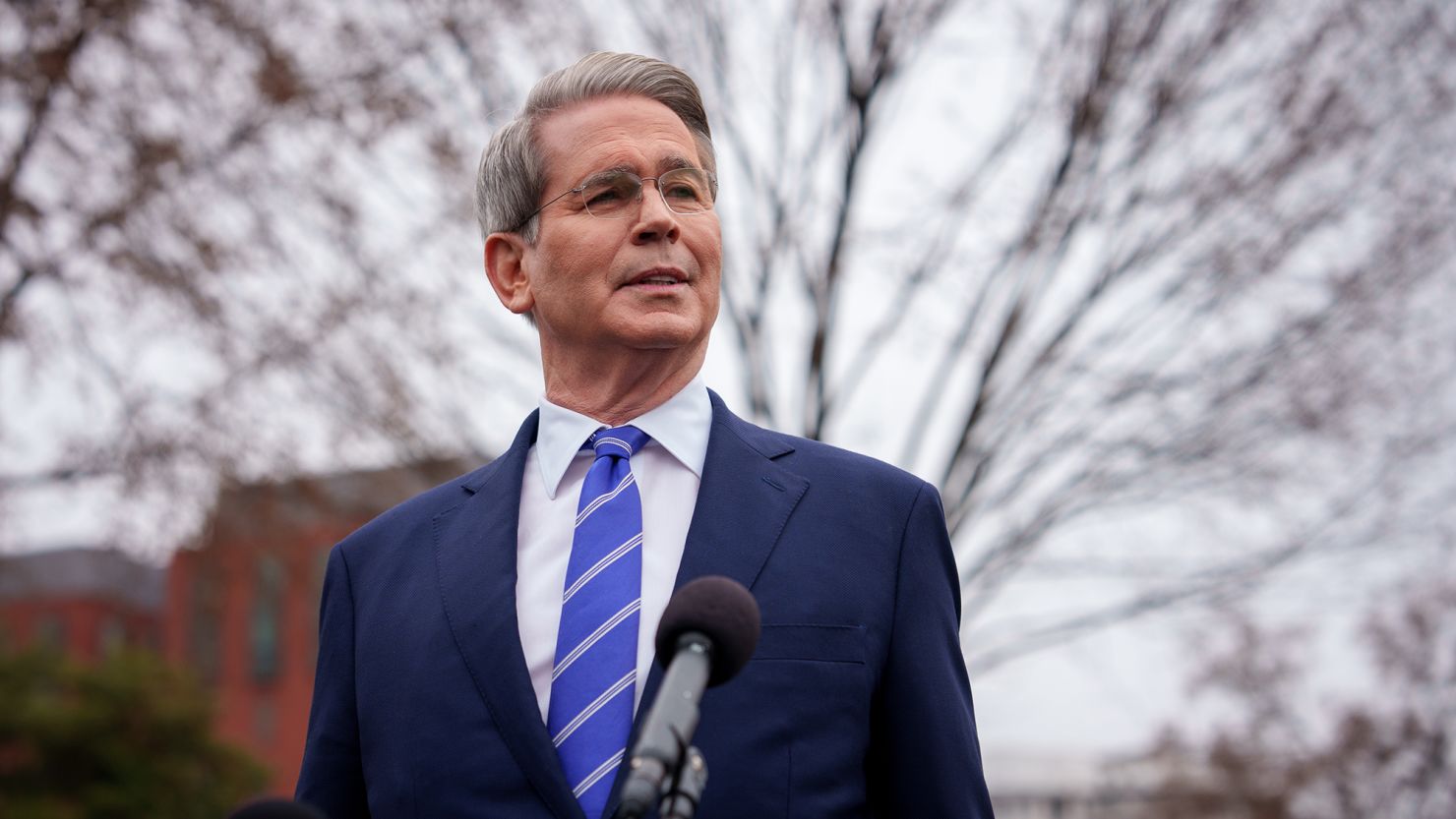
It appears the Trump administration intends to reward Ellison, whose net worth briefly surpassed Elon Musk’s, making him the world’s richest person.Regarding US-China negotiations, both sides have gone through multiple rounds, with the only outcome being the repeated extension of tariff buffer periods to continue talks. US Treasury Secretary Bessent initially praised the professionalism of Chinese diplomats but later frequently complained about their tough stance.
Recently, he acknowledged that both sides have reached a framework agreement on key issues, awaiting approval from the leaders of both countries. I guess both sides will make significant concessions to ease the trade and technology wars. The United States will likely gain more, as Trump has limited leverage and relies on loud rhetoric. If both sides compromise, he essentially trades hot air for tangible benefits. China is unafraid of confrontation with the United States, maintaining a tough negotiating stance. However, China is more willing to compromise because it faces fewer issues than the United States, and time is on China’s side.
Delaying a full-scale conflict with the United States by one day gives China an extra day to prepare and increases its chances of success.We must acknowledge that the United States has the ability to severely damage China, though it would also suffer heavy losses from China’s counterattacks. China does not want this outcome, as it would lead to the simultaneous decline of both nations, allowing others like the European Union, Japan, and South Korea to benefit. The Chinese know Trump is a political rogue, but unfortunately, he is the US president with significant power.
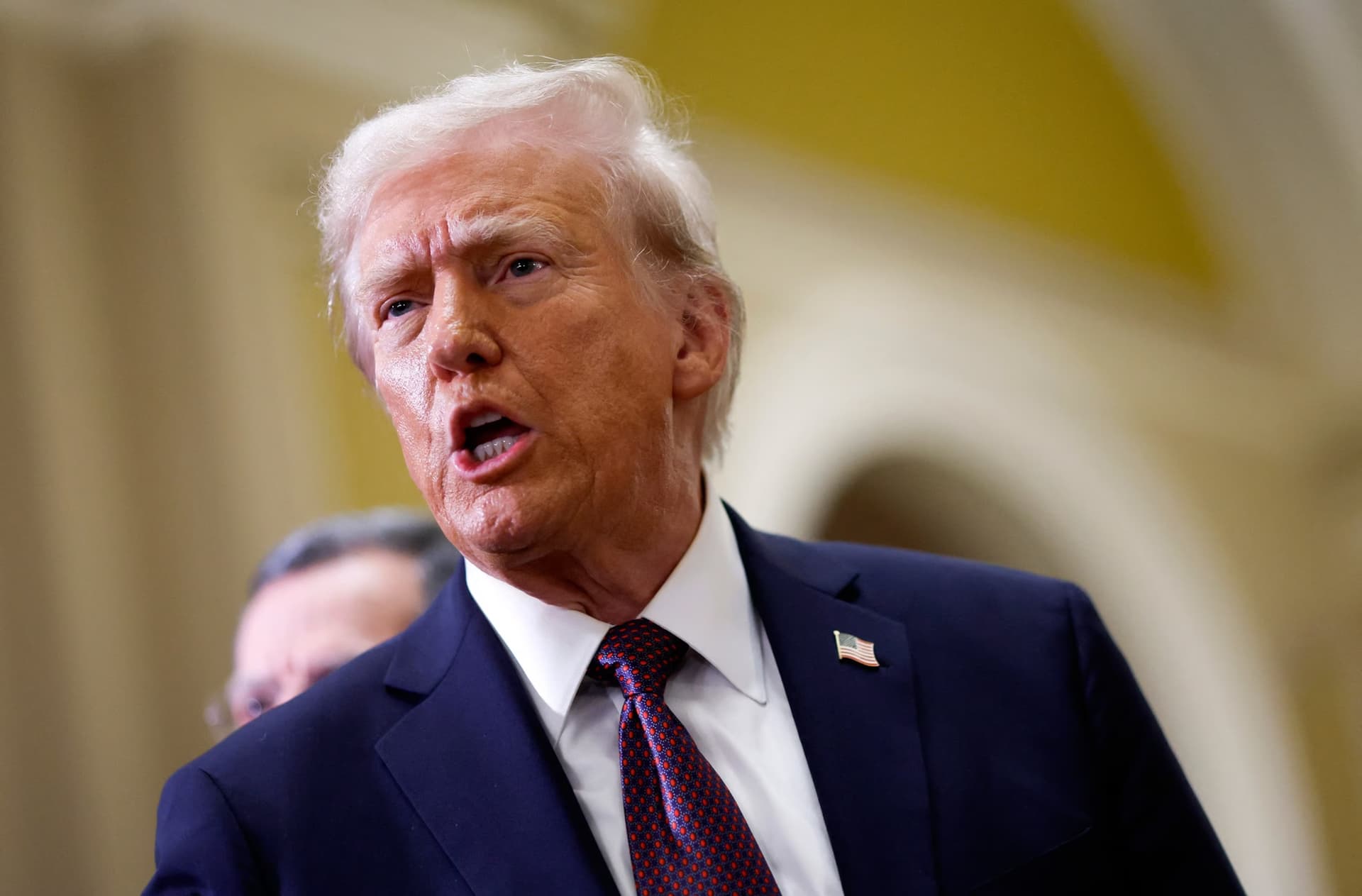
He is like an 80-year-old kindergarten bully who might do something extreme if not appeased. For example, Trump could expel China from the SWIFT system or ban China from using the US dollar, even if it means mutual destruction. A rational leader would not impose tariffs on the entire world. If he were sane, he also would not refer to former Japanese Prime Minister Shigeru Ishiba as Mr Japan.For ByteDance, losing the US business in exchange for substantial cash to invest in other markets and preserve its international operations is a good option.
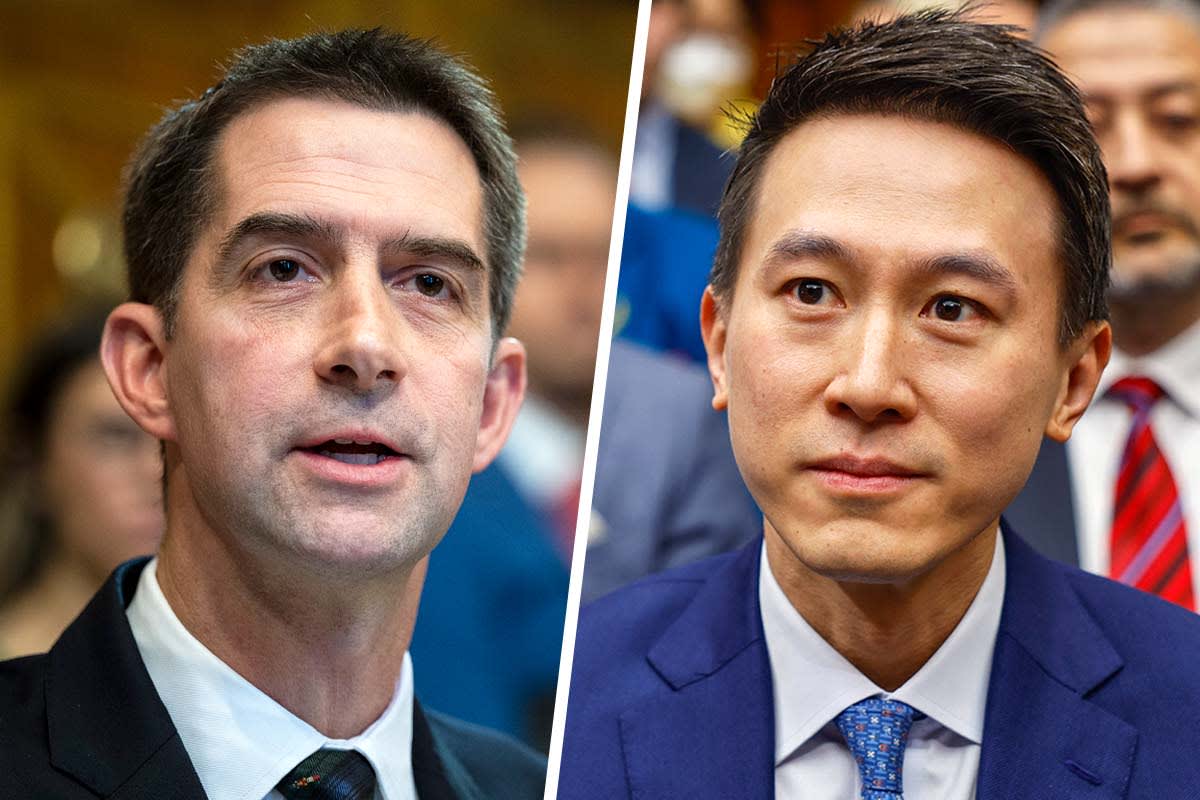
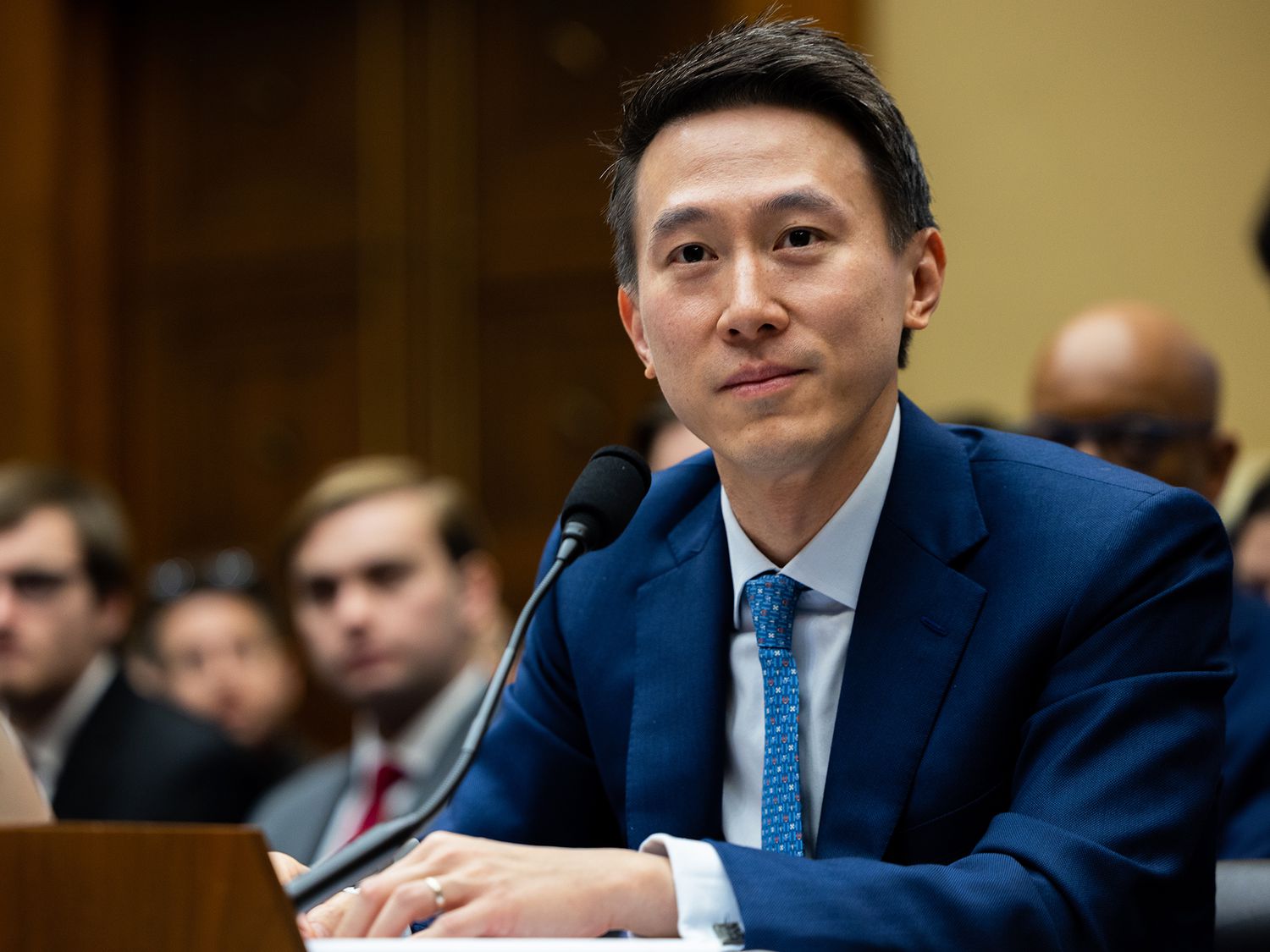
After all, CEO Shou Zi Chew does not want to constantly attend US congressional hearings. The United States has 170 million TikTok users, contributing significant revenue, but other countries have over a billion users. Zhang Yiming hopes Chew can focus on expanding international markets rather than engaging in verbal battles with US senators. In reality, TikTok’s US interests have already been largely ceded to American shareholders and partners like Oracle. Letting go completely is a form of relief.
As for the algorithm, I doubt the United States will need China’s algorithm after acquiring TikTok’s US business, as Americans can quickly develop their own.I am curious about how TikTok will operate in the United States. If it remains called TikTok and operates as the same app as the international version, how will it distinguish US users from those in Canada, Latin America, Asia, Europe, or Africa? What method will be used for isolation? If there is no isolation, Americans can still follow Canadian or European creators.
In that case, ByteDance would still control the ecosystem, and the United States would merely be buying a cash-generating business. If so, ByteDance would be happy to sell, as it preserves the TikTok brand while escaping endless harassment from US senators. As for US user data, ByteDance does not need it, as the US user base is insignificant compared to other countries, especially China. Moreover, the data is already stored in Oracle’s databases.If US TikTok becomes a separate app, like China’s TikTok, completely isolated from the international version, new issues arise. Some Americans may want to watch content from Canada, Europe, Latin America, Africa, or Asia.
After physical isolation, their demand persists, and they may use VPNs to download the international version of TikTok. The US TikTok app may struggle to retain all US users. Over time, people may find that the US version’s algorithm is less effective due to insufficient data for training, and its content output is less diverse than the international version. Americans may gradually shift to the international version, creating a trend. This would significantly harm the US buyer’s interests.
After all, users can access better content and open the world’s door with just a VPN or a phone card, so why settle for a US-specific TikTok?Regardless, we must wait for a call between the US and Chinese leaders to know whether the agreement is finalized, when it will be implemented, and to what extent the trade and technology wars have been alleviated.
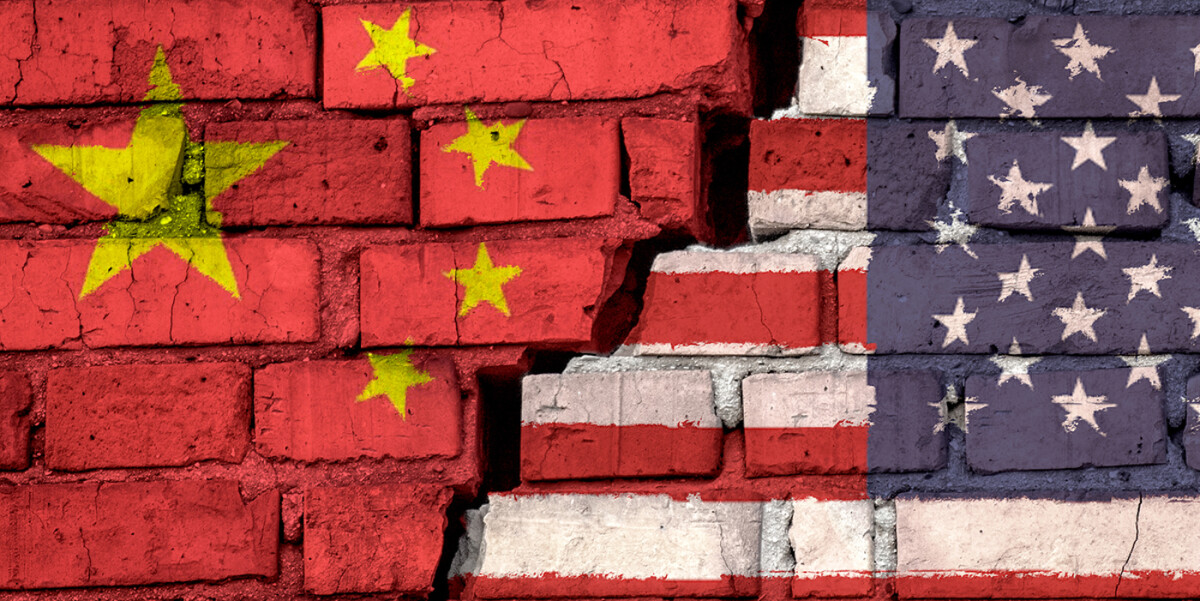
For now, it is all speculation, but I personally welcome improved relations between the two countries. Though I am Chinese, I struggle to adapt to TikTok or ByteDance’s ecosystem. I prefer creating within YouTube and Google’s ecosystem, which has sustained me. I would rather see friendly relations than confrontation between the United States and China.
However, if conflict is inevitable, as a Chinese person, I have only one choice: to support my country’s victory. I am not a US citizen or an honorary white person. Unlike Chinese YouTubers who curse the collapse of the United States, I earn American money and hope the United States improves, as a basic act of gratitude. But I also differ from overseas Chinese who wish for China’s collapse. I live in China and want it to improve. If forced to choose, I choose China. Until that choice is necessary, I enjoy creating on American platforms, earning American money, and criticizing the US president.