
1. Where to Store Your Money Safely
If you have 100000 dollars, where would you put it? Most people would first think of depositing it in a bank, a reliable and reputable one. This way, you can link a debit card or credit card for spending, make transfers, or connect to electronic payments like Apple Pay, Google Pay, or PayPal. However, this assumes you live in a politically stable environment like the US or Europe.
2. Challenges of Traditional Banking in Unstable RegionsIf
you live in Syria, where the government has collapsed and warlords rule, banks may not be safe. Even worse, the country’s financial system is dying, and its currency could become worthless at any moment. You deposit money in a bank today, and tomorrow the bank might be closed or bombed. So, is it safe to keep all that money in cash at home? Of course not. Once targeted by malicious forces, it could lead to tragedy, leaving you destitute. You might think, why not store it in a foreign bank? That won’t work either.

Many countries have foreign exchange controls, and major banks are unlikely to open branches in war-torn areas. Storing money in a US bank is the safest, but US banks have strict account opening requirements that most people cannot meet. If Syrians could easily reach the US, they would choose to stay, even as undocumented immigrants, rather than return. Even in a mature and stable country like China, with highly advanced payment systems, depositing money in foreign banks faces strict restrictions. If you are North Korean, privately holding dollar assets is a serious crime. Except for General Kim Jong Un, no one is allowed to own overseas assets.
3. Cryptocurrency as a Reliable Solution
So, the most reliable method today is to convert your money into cryptocurrency and store it on a blockchain. Yes, you can keep it in a cold wallet, an online hot wallet, or an exchange account. This ecosystem has become very convenient after years of development.
The currencies of countries like Zimbabwe or North Korea are truly less valuable than Bitcoin. If you worry about the volatility of Bitcoin or Ethereum, you can choose stablecoins like USDT or USDC, which are pegged one-to-one to the dollar. USDC, in particular, is subject to strict regulatory audits, making it a better asset reserve than most small countries’ banks. USDT’s liquidity also far surpasses the sovereign currencies of countries like Argentina or India.
4. Case Study: India’s Financial Instability
Speaking of India, you should understand that it is a massive economy with 1.4 billion people and political stability. It is unlikely to face financial collapse like Zimbabwe. However, in such a rapidly developing country, its currency has been steadily declining against the dollar. If you had stored your assets in rupees ten years ago, they would now be worth one-third less. In India, holding a dollar account is inconvenient and subject to regulatory measures. But trading cryptocurrency is legal in India. You can convert your assets into cryptocurrency like USDC to preserve their value. If you want to invest but lack investment knowledge, you can simply deposit your USDC in top exchanges like ByBit, BitGet, OKX, or Binance.
These platforms offer user-friendly wealth management products, often called automated investing, with stable returns that are far more reliable than India’s financial products. Since the rupee has depreciated by 35 percent over ten years, you first need to cover that loss. Moreover, in economically underdeveloped countries, the variety and reliability of financial products are far inferior to cryptocurrency exchanges.
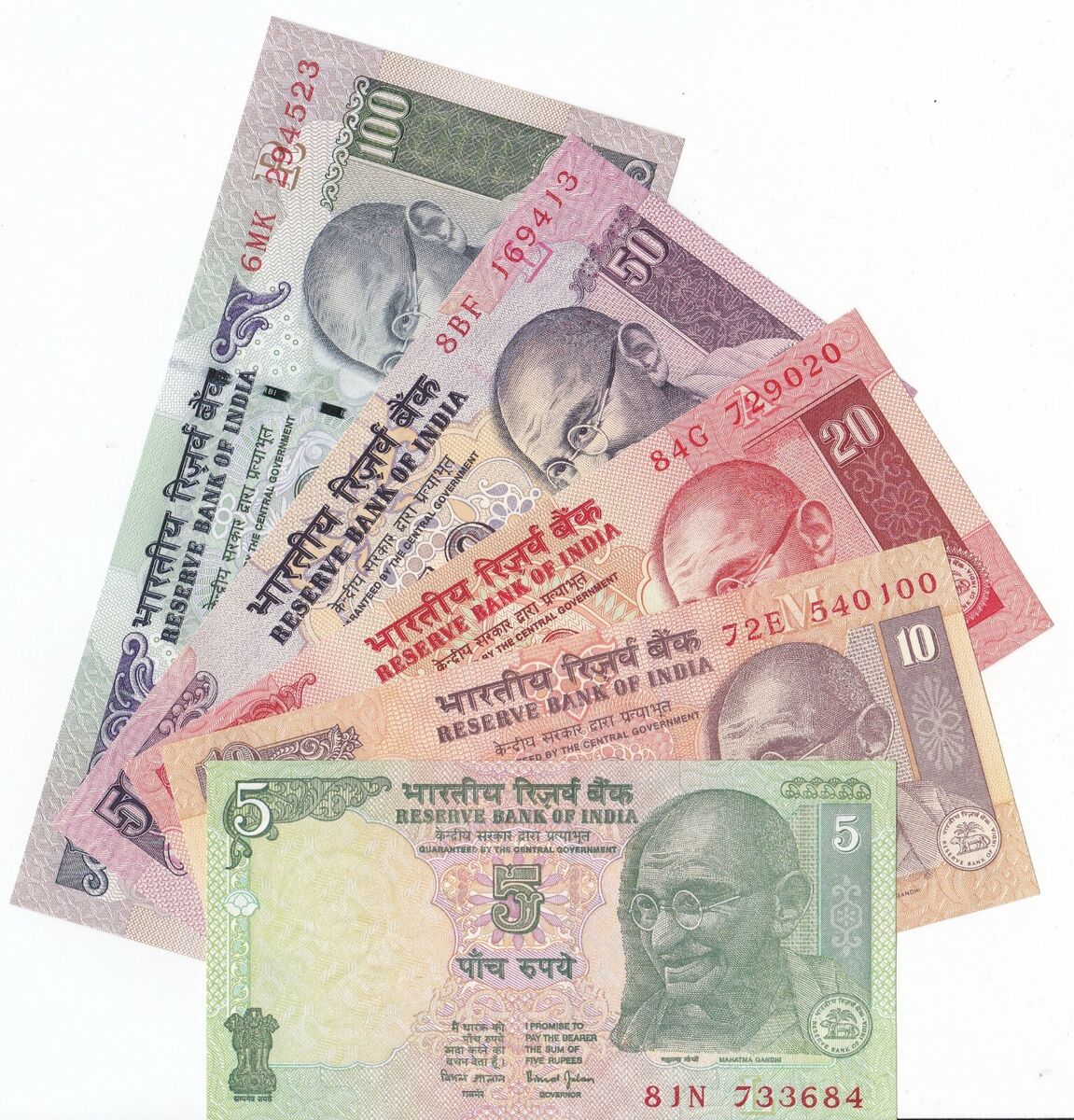
Let’s continue discussing India, as it is a representative case. On November 8, 2016, at 8 p.m., Indian Prime Minister Narendra Modi announced in a national television address that, to combat unreported income, corruption, and counterfeit money, 500-rupee and 1000-rupee notes would immediately cease to be legal tender.
This policy plunged the nation into chaos. People had 50 days to deposit old notes in banks or exchange them for new ones. Although the government later issued new 500-rupee and 2000-rupee notes, this move caused significant short-term disruption to India’s economy and social life. Honestly, such a country has poor credibility. Some people’s money may not be illicit, but Indians are accustomed to storing cash.
Requiring them to declare the legal source of their money in a short time is quite troublesome. Of course, some money comes from gray-market transactions. Declaring it risks confiscation, while not declaring it means the money becomes worthless. So, people can only resort to intermediaries to exchange it at a discount. Holding a country’s sovereign currency for asset allocation in such a nation is highly unwise.
Yes, India is a global power, but the rupee’s international acceptance is far less than that of Bitcoin, Ethereum, USDT, or USDC. It’s a basic fact that most countries’ currencies are less credible than the Indian rupee. So, if you are unfortunate enough to live in such a country, understanding cryptocurrency and using it to diversify your assets is essential.
5. Global Liquidity and Convenience of Cryptocurrency
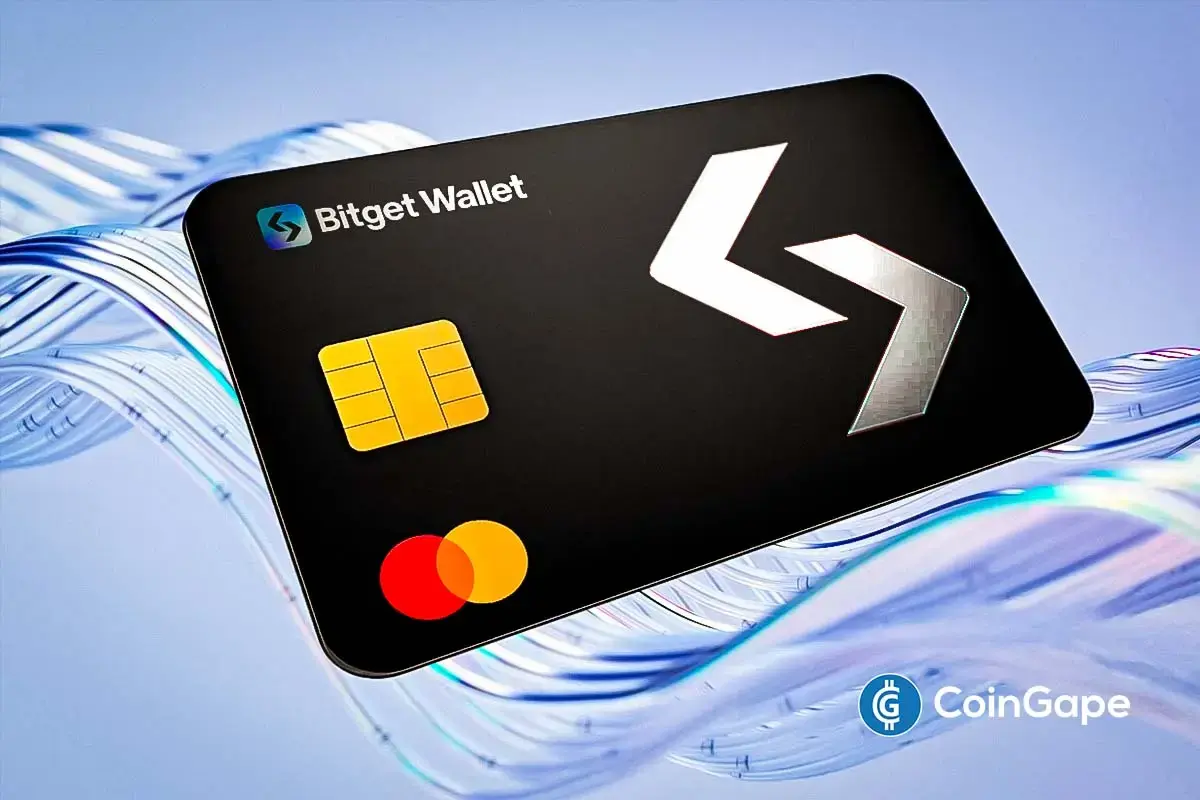
More importantly, cryptocurrency offers unmatched liquidity and is not bound by national borders. You can buy cryptocurrency in India, exchange it for dollars in the US, or pounds in the UK. If your cryptocurrency exchange or wallet issues a Mastercard or Visa card, whether virtual or physical, you can spend globally with ease.

Exchanges like ByBit or BitGet have issued their own cards, which can be conveniently linked to Apple Pay or Google Pay. BitGet’s wallet, in collaboration with Fiat24, offers accounts with personal IBANs, making fiat-to-crypto conversions seamless. Paired with electronic wallets like Wise, the entire spending process is smooth. As a last resort, you can engage in peer-to-peer trading on exchanges or offline face-to-face transactions without worrying about government restrictions on moving money abroad.
6. China’s Financial Regulations and Crypto’s Role
For example, in China, personal foreign exchange is tightly regulated, with an annual limit of 50000 dollars for unreported conversions. Sending money abroad requires clear and reasonable justification, and even buying property overseas may be denied. Since China rapidly grew from a poor nation decades ago to the world’s second-largest economy, almost no wealthy individual’s assets are entirely legal or compliant due to imperfect laws and retroactive enforcement. Thus, China has a strong demand for moving funds abroad, especially without oversight.
Of course, this includes a lot of illicit money, such as funds defrauded from China by overseas scams, often moved through gray channels. These channels are now primarily cryptocurrency. In China, individuals can buy and sell cryptocurrency, or rather, no law prohibits it. Small transactions typically don’t trigger regulatory risks, but large transactions often lead to police seizures and criminal charges.

Chinese authorities have significant power, where the law’s boundaries are determined by their discretion, and courts mostly cooperate with them. Still, many people convert their money into cryptocurrency to move it abroad. The reason is simple: China is a fully digitized financial system, and the government knows exactly how much money you have and where it is. When the government is short on funds, those with large accounts face intense tax and source-of-funds scrutiny.
China has a crime called unexplained wealth, and what counts as large is entirely up to the authorities in a country where the rule of law is not robust. Thus, the biggest customers in the cryptocurrency market are undoubtedly Chinese. This is why nearly all top exchanges support KYC verification for Chinese users.
Providing convenience to Chinese users attracts more high-net-worth clients. Despite China’s strong ability to investigate cryptocurrency transactions, storing money in cryptocurrency remains a good choice compared to banks, especially if you want to freely invest in overseas assets. The topic of cryptocurrency in China is complex, so we’ll discuss it further later and move on for now.
7. Cryptocurrency for Digital Nomads
Of course, cryptocurrency isn’t just for evading government scrutiny. Its decentralized network offers significant convenience. Using public blockchains like Ethereum or Solana as infrastructure, people can easily develop their own payment interfaces. If you run a commercial website, you know that integrating payment interfaces involves heavy scrutiny, technical complexity, and high costs.
But with cryptocurrency, you can easily set up a simple payment system. Compared to linking personal or corporate bank accounts, cryptocurrency accounts offer greater anonymity. If one day my country’s relationship with the US deteriorates, becoming like the current Russia West relationship, content creators like me could be excluded from the Google ecosystem, unable to earn from YouTube or websites.
Even my country’s major banks’ SWIFT channels could be cut off. But if I have a cryptocurrency payment account and continue creating, my supporters can tip me in cryptocurrency, which I can exchange for local currency in my country to sustain my livelihood.
8. Diverse Uses of Cryptocurrencies
Of course, cryptocurrency has many uses, and different cryptocurrencies serve different purposes. For example, Bitcoin is considered digital gold with strong store-of-value properties. Ethereum has spawned a robust ecosystem, and its value is undeniable.

USDT offers excellent liquidity, while USDC provides near-dollar-equivalent store-of-value. Other coins or chains have strong applications in various scenarios. With the US easing cryptocurrency regulations and global instability increasing, cryptocurrency is a worthwhile tool for asset allocation and circulation.
9. A Responsible Approach to Crypto
However, I personally do not support speculative trading. Trading cryptocurrency without professional knowledge is no different from gambling. Anyone who thinks they can master trading techniques through personal effort and get rich will likely face tragedy.
But speculation is a key part of this ecosystem; without it, the cryptocurrency market wouldn’t thrive. We acknowledge its existence and respect it, but I strongly advise against speculative trading, especially for those who follow YouTube influencers to trade. Honestly, those people are misguided. If those influencers could earn a decent, stable income through cryptocurrency trading, trust me, only fools would make YouTube videos.