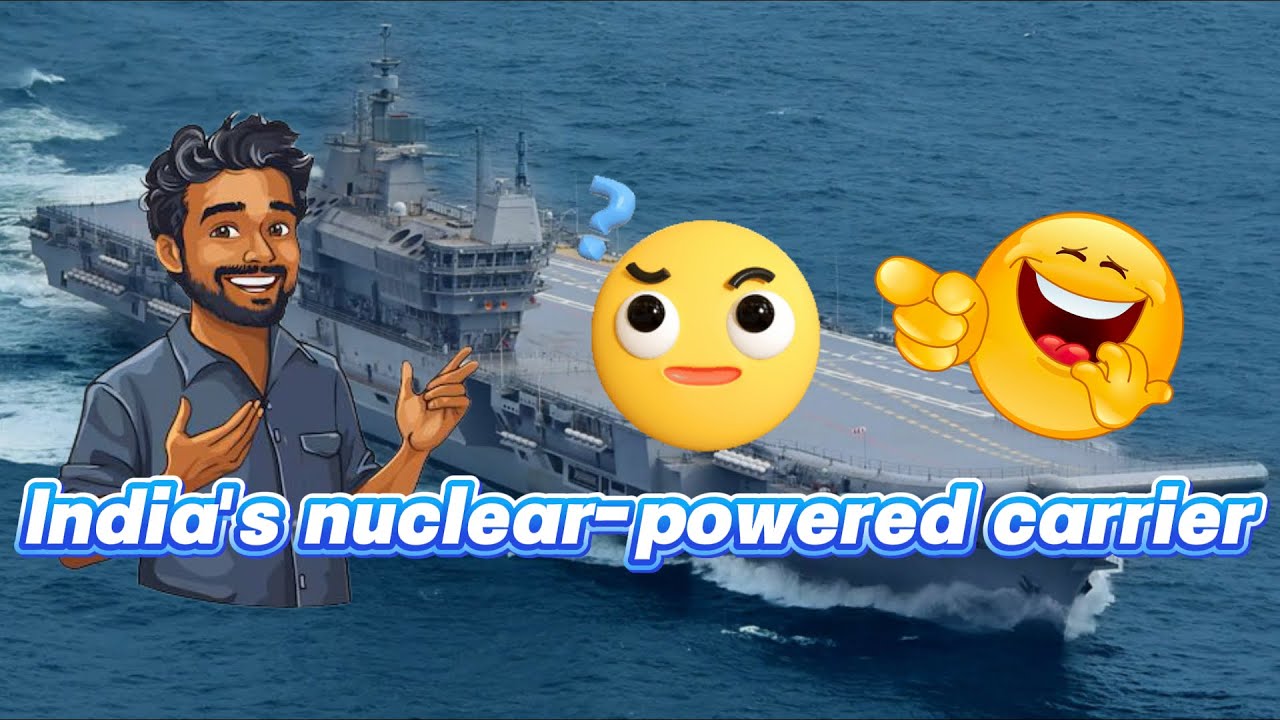
This video discusses India’s plan to build a nuclear-powered aircraft carrier, INS Vishaal, and the challenges and criticisms associated with this project.
-
Introduction to India’s Nuclear Carrier Plan
-
On September 5, 2025, India’s Ministry of Defense released a 15-year defense modernization plan, which includes building a third aircraft carrier, INS Vishaal.
-
This carrier is proposed to be nuclear-powered to enhance its endurance and stealth capabilities.
-
The narrator expresses initial disbelief and amusement upon hearing this news, noting that India’s military has often been a subject of ridicule in Chinese online communities.
-
-
Critique of India’s Military and Technology
-
The video highlights a history of comical incidents involving the Indian military, including a submarine sinking itself with a mine and a nuclear submarine that was flooded after diving.
-
The narrator questions India’s ability to build a nuclear submarine when it cannot independently design and build conventional ones.
-
India’s nuclear propulsion technology is described as based on old, unreliable Soviet designs that were abandoned by Russia.
-
Other military equipment, such as the Arjun tank, Tejas fighter, and Dhruv helicopter, are criticized as “super jokes in human military history.”
-
Hindustan Aeronautics Limited is blamed for high crash rates of aircraft, earning it nicknames like “widow maker.”
-
The video states that many components of the Tejas fighter are imported, including the flight control system, radar, and engine.
-
-
The INS Vikrant: A “Frankenstein’s Monster”
-
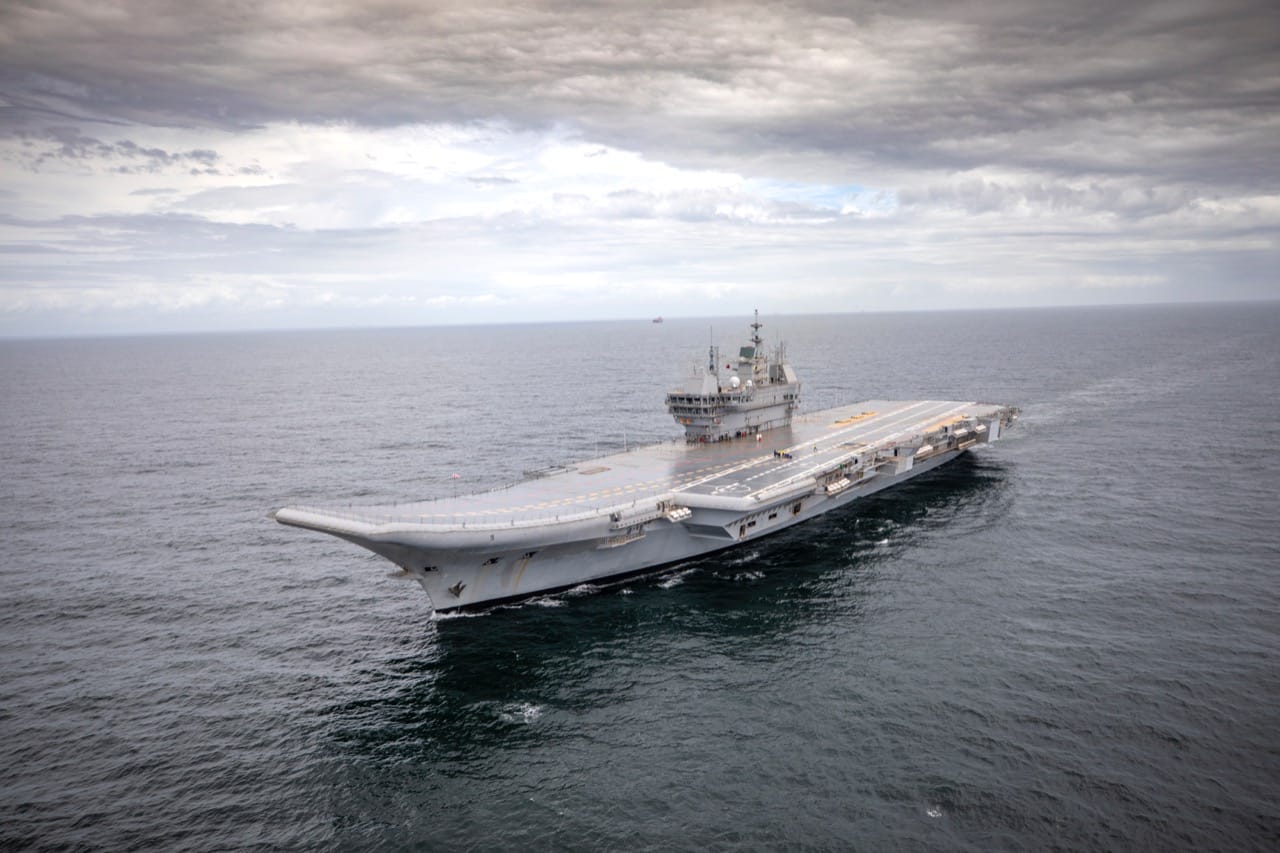
The video refers to INS Vikrant as a “Frankenstein’s monster” because, despite being called an indigenous carrier, its design is from Italy, its propulsion system is from the US, its radar system is from Israel, and its aircraft are from Russia.
-
The Cochin Shipyard, responsible for building the carrier, is mockingly called a “large warship assembly plant.”
-
A secondhand gantry crane, originally made in China, had to be bought from the UK to hoist major hull sections, as the shipyard lacked one.
-
The special steel used for the carrier is also mentioned as a point of concern, as the initial supply from Russia was insufficient, and India’s domestically developed alternative is believed to lack strength.
-
The narrator points out that the carrier was launched three times, which is described as a unique oddity in shipbuilding history.
-
The carrier’s engine is noted to be a civilian product from General Electric, as the US would not sell military-grade engines to India.
-
-
Conclusion: A Lack of Industrial Foundation
-
The video concludes that a strong navy requires a robust industrial foundation and supply chain, which India lacks.
-
The narrator questions the practical value of a carrier fleet that, during a conflict with Pakistan, hid in home ports.
-
The video ends by questioning if India, a country that “cannot independently produce reliable rifles,” is truly unafraid of embarrassment by pursuing such a project.
-