Blockchain technology is everywhere in tech conversations, but what exactly is it? This article, inspired by a video explainer, breaks down blockchain’s core concepts, from decentralized networks to tamper-proof records, in a way anyone can grasp. We’ll swap out some examples (like WeChat, used for payments in the original) for globally familiar tools like PayPal to make it relatable.
Blockchain: The Basics
Imagine a world where financial systems don’t rely on a single authority like a bank or PayPal. Instead, they’re run by a network where everyone has equal access to the same records. That’s blockchain—a decentralized system first outlined by Satoshi Nakamoto in a nine-page paper in 2008, introducing Bitcoin and the tech behind it.

Unlike centralized systems (think PayPal, where one company controls transactions), blockchain spreads the power across a network. No single entity calls the shots, making it transparent and secure.
How a Decentralized Network Works
In a blockchain, every participant—called a node—has an identical copy of a digital ledger, the blockchain itself. This ledger records every transaction ever made, from the very first one to the latest.
When someone initiates a transfer, say sending digital currency, the network broadcasts it to all nodes. Each node checks its ledger to confirm the sender has enough funds. No central bank or server is needed; everyone’s on the same page.
Consensus: Agreeing on the Truth
To keep this shared ledger consistent, blockchain uses a consensus mechanism. This decides who gets to add the next set of transactions, or “block,” to the chain. The most famous method is Proof of Work (PoW).In PoW, nodes (called miners) race to solve a complex math puzzle using the SHA256 hashing algorithm.
They’re looking for a random number that, when hashed with the block’s data, produces a hash starting with a specific number of zeros. It’s like guessing a lock’s combination—brute force and computing power are key. The more miners in the network, the tougher the puzzle gets. The first to solve it adds the block and earns a reward.
Mining and Tamper-Proof Security
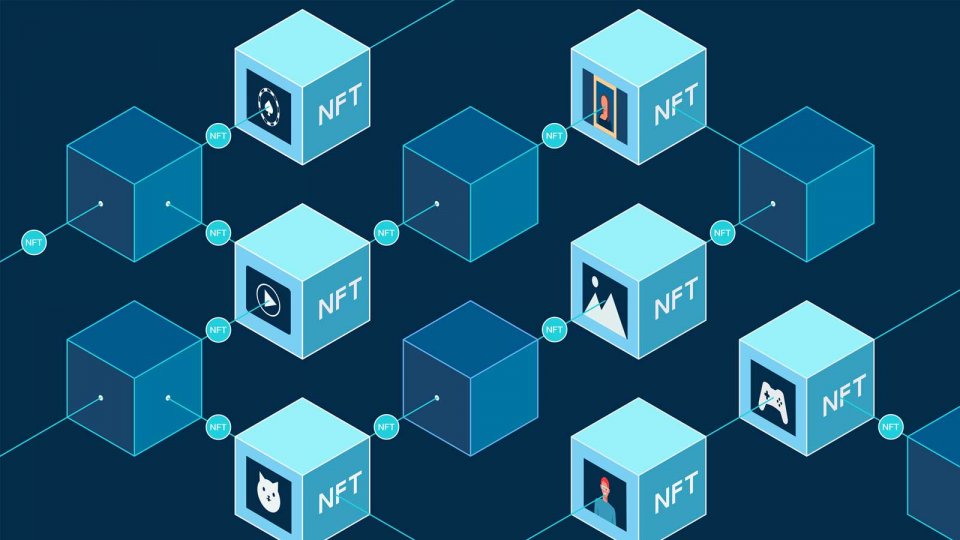
This puzzle-solving process is called “mining.” It’s not just about rewards; it’s what keeps blockchain secure. Each new block includes the previous block’s hash, creating a chain of “hash pointers.”
If someone tries to tamper with a block—say, altering a transaction—the hash changes, breaking the chain. To cover their tracks, they’d need to redo the math for every block after it, which is insanely hard and costly. This makes blockchain nearly tamper-proof.
The Risk of a 51% Attack
No system is perfect. Blockchain faces a rare but real threat called a “51% attack.” If one entity controls over half the network’s computing power, they could secretly build a longer chain and rewrite transaction history. This happened in 2018 with Bitcoin Gold, where attackers manipulated the chain for profit.
It’s a big deal, but pulling it off requires massive resources, making it unlikely for major blockchains like Bitcoin.Another issue is a “fork,” where two miners solve a block at the same time, creating two competing chains. The network resolves this by sticking with the longest chain, ensuring everyone stays aligned.

Digital Currency and Private Keys
Blockchain powers digital currencies like Bitcoin. To manage your funds, you use a “private key”—a secret code that acts like a digital signature. When you send currency, your private key signs the transaction, proving it’s you without revealing the key itself. Lose your key? You lose access to your funds. It’s like misplacing the key to a safe, so security is critical.
Why It Matters
Blockchain’s decentralized, transparent, and secure design is revolutionizing finance and beyond. From enabling trustless payments to powering smart contracts, it’s a tech that’s here to stay. While challenges like 51% attacks exist, the system’s robustness and growing adoption make it a cornerstone of the digital age.