Introduction
The robotics industry is on the cusp of a transformative leap, with humanoid robots emerging as a potential game-changer in technology and society. In an exclusive interview, tech visionary and founder of a leading consumer electronics company shares insights into why humanoid robots could redefine industries and daily life. This article explores the evolution of robotics, the pivotal role of artificial intelligence, and the boundless opportunities awaiting this nascent trillion-dollar market.
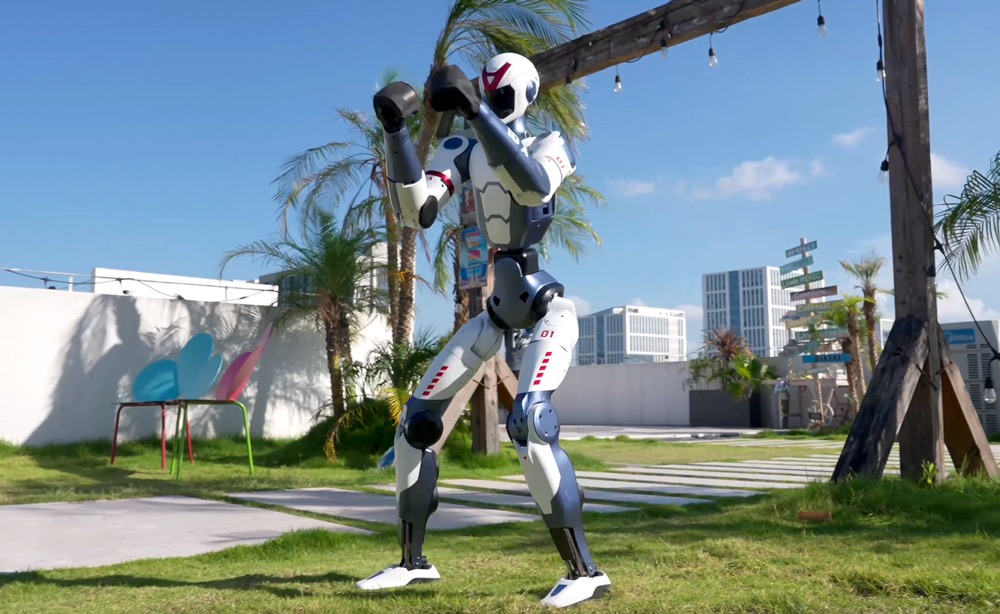
1. A Visionary’s Perspective: Pioneering the Robotics Frontier
At the forefront of this revolution is a company renowned for its innovative consumer tech, including smart home devices like robotic vacuums. Its founder, a seasoned entrepreneur, envisions expanding into a comprehensive robotics ecosystem.
With growing global excitement around humanoid robots, he sees them as the next frontier, blending cutting-edge technology with human-centric design to unlock unprecedented possibilities. His passion for robotics reflects a broader industry shift toward creating machines that mirror human capabilities.
2. Why Humanoid? The Logic of Form and Function
Drawing on a first-principles approach, the founder explains why the humanoid form is ideal for general-purpose robots. Starting with a single robotic arm, he envisions adding a second arm for balance, a torso for stability, a head equipped with advanced sensors for perception, and legs for mobility. This design philosophy is rooted in biomimicry—emulating nature’s proven blueprint. The human form, honed by evolution, offers unmatched versatility, making it the optimal template for robots navigating diverse environments, from homes to workplaces.
3. The Evolution of a Mega-Industry: From Niche to Mainstream
The founder outlines three phases of product evolution: the exploratory “non-consensus” phase, where innovation is fragmented; the “consensus” phase, marked by growing acceptance; and the “super-consensus” phase, where a market reaches maturity with widespread adoption. Using smartphones as a parallel, he notes how early diversity gave way to standardized designs. Humanoid robots, he argues, are entering the “super-consensus” phase, fueled by breakthroughs in AI, materials, and manufacturing, positioning the industry for explosive growth.
4. Design Convergence: The Power of Standardization
As industries mature, products often converge around shared components from a handful of suppliers, streamlining production and reducing costs. The founder predicts a similar trajectory for humanoid robots, with standardized actuators, sensors, and processors becoming the backbone of the industry. This convergence will enable scalability, making humanoid robots more accessible while fostering innovation in specialized applications.
5. The Brain of the Machine: AI and Intelligent Automation
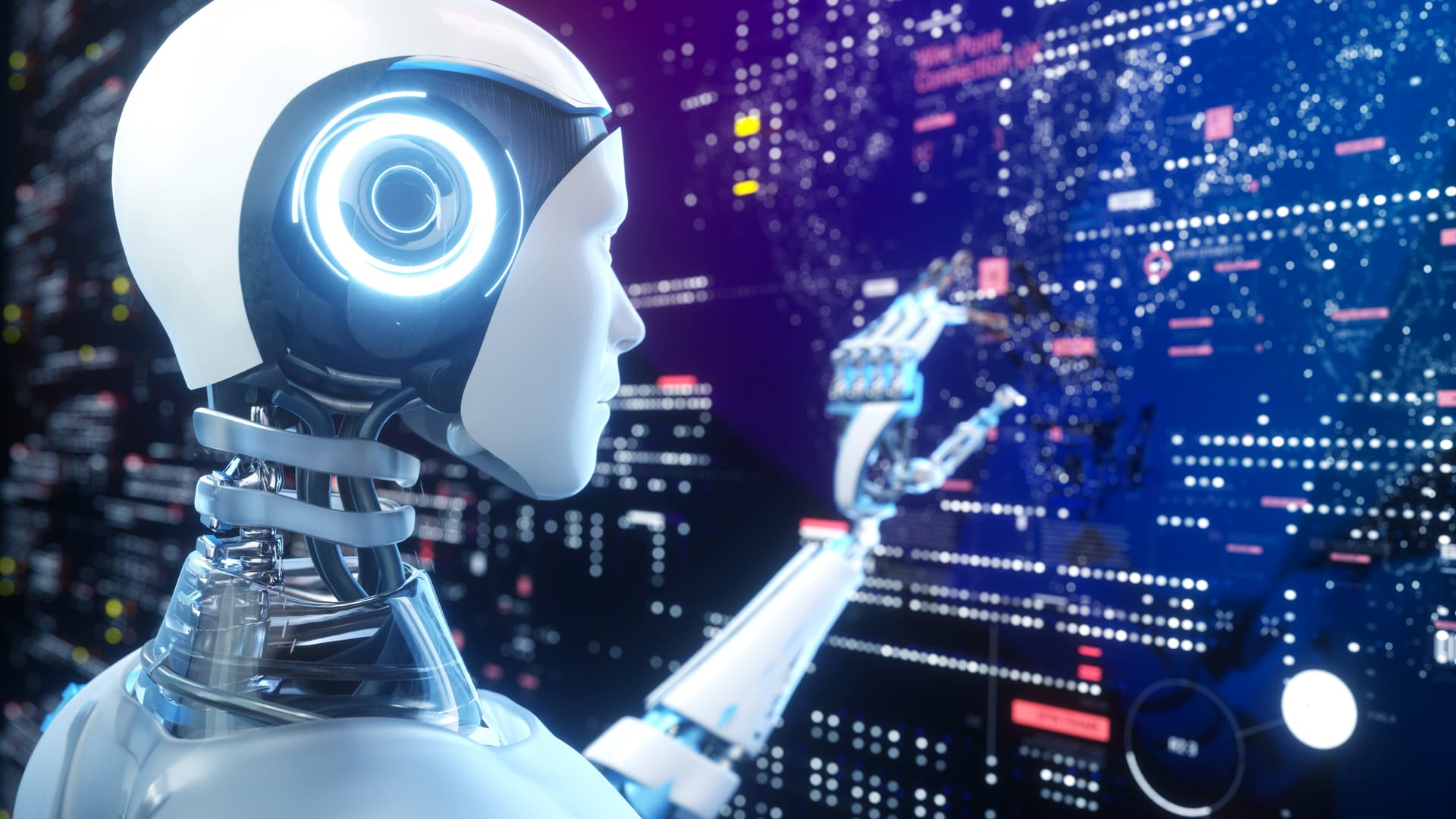
The true potential of humanoid robots lies in their ability to learn and adapt. The founder highlights three paths to machine intelligence: manual programming, data-driven learning, and reinforcement learning. He emphasizes reinforcement learning—where robots refine skills through trial and error—as the key to achieving human-like adaptability. This approach allows robots to interact dynamically with the physical world, mastering complex tasks from household chores to industrial operations.
6. The Future of Humanoid Robots: A Collaborative Ecosystem
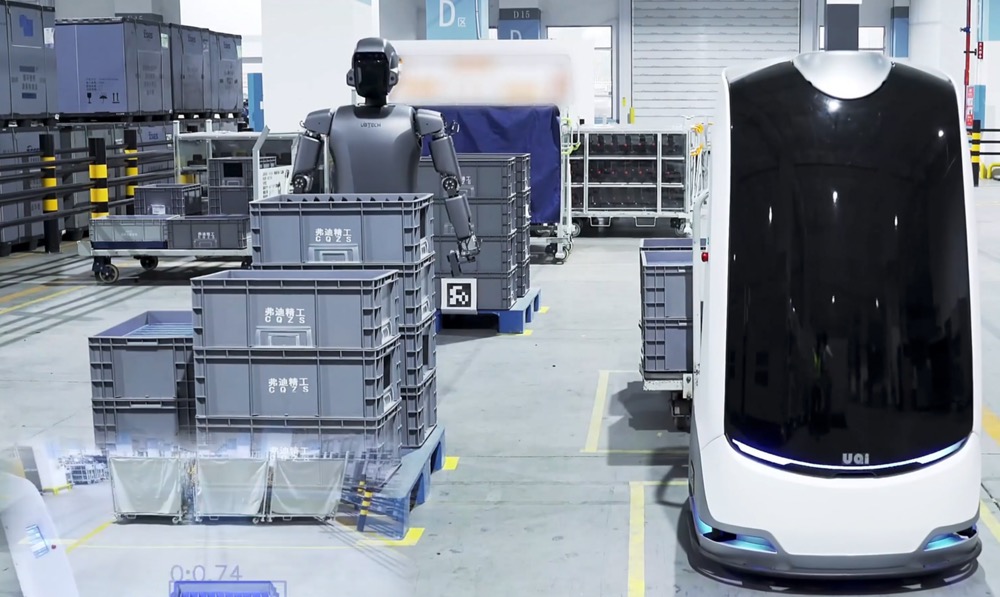
Rather than a one-size-fits-all solution, the founder envisions a diverse robotics ecosystem where humanoid robots act as coordinators, akin to a “digital butler.” These humanoids will oversee specialized robots tailored for specific tasks, such as cleaning or logistics. Companies can stand out by addressing unique user needs—whether enhancing home convenience or optimizing workplace efficiency—ensuring differentiation even in a standardized market.
Conclusion
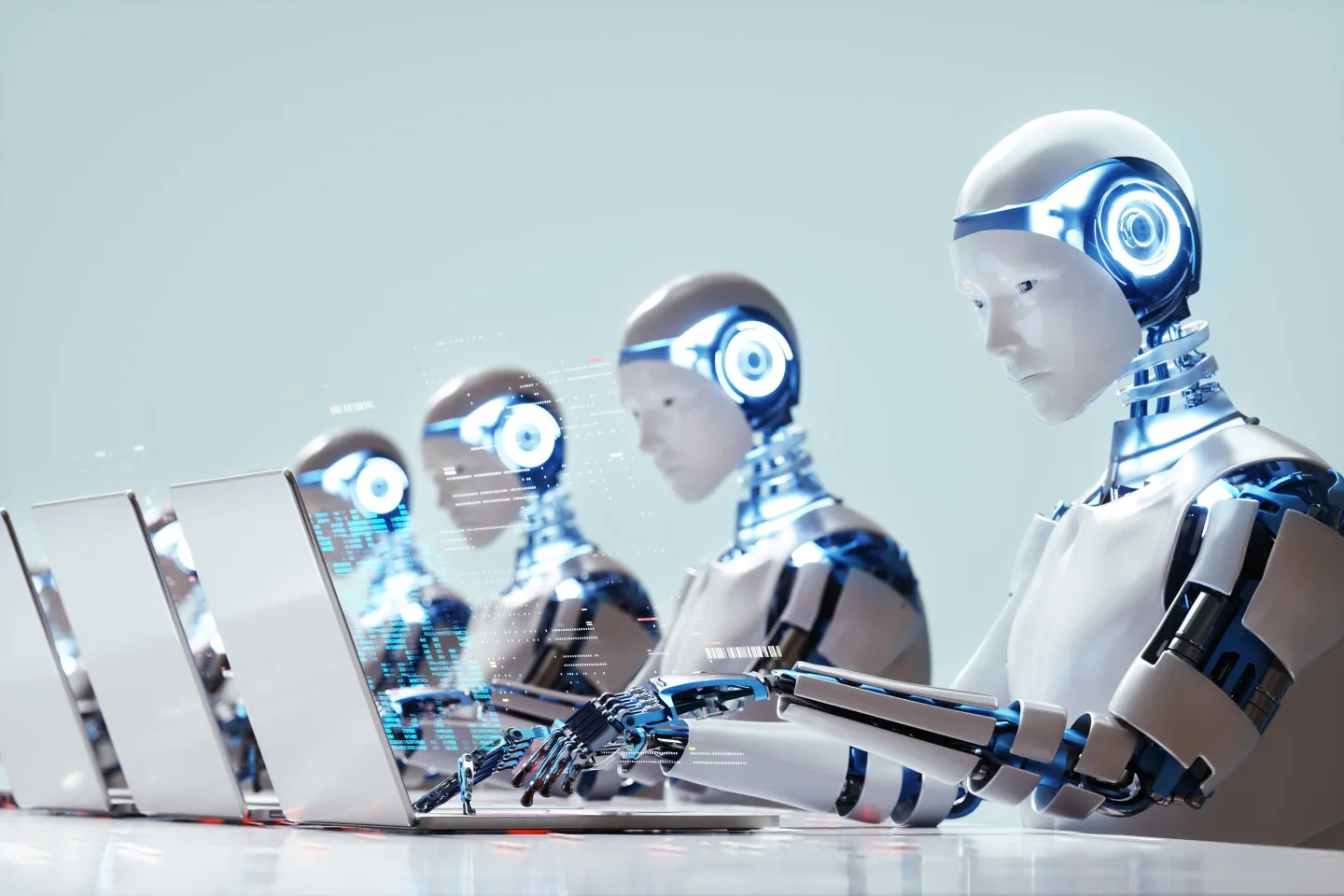
Humanoid robots are poised to usher in a new era of innovation, blending biomimicry, artificial intelligence, and standardized design to create a transformative industry. As pioneers like this visionary entrepreneur lead the charge, the convergence of technology and human-centric design promises to reshape how we live and work. With the robotics market on the brink of a trillion-dollar explosion, the future is not just automated—it’s profoundly human.