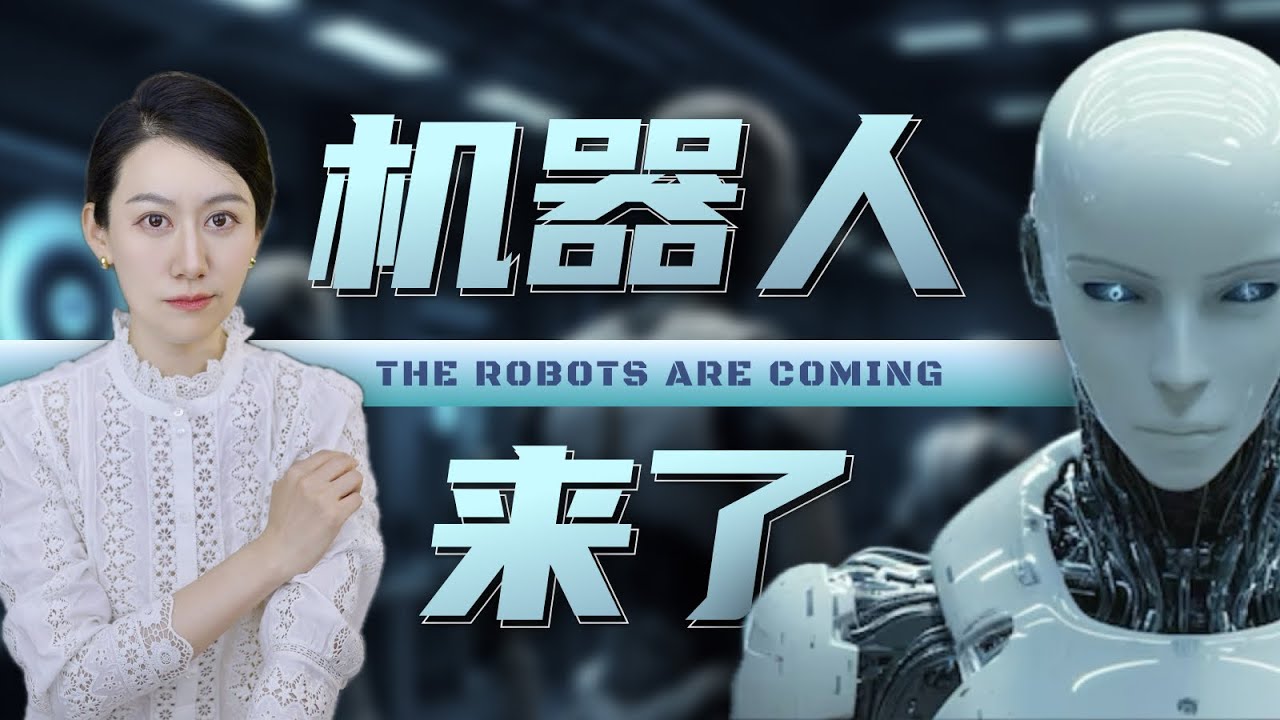
This video explores the current state of robotics, arguing that the industry is on the cusp of a major “ChatGPT moment.” It analyzes the intense competition and significant investments from tech giants like NVIDIA, Microsoft, and Tesla, and delves into the challenges and future of general-purpose robots.
I. Introduction
-
The video challenges the common perception of robots as simple, clumsy machines.
-
It highlights the escalating competition in the robotics field.
-
Key figures like Jensen Huang and Elon Musk believe a breakthrough for general-purpose robots is imminent.
-
The significant investment in companies like Fig.ai and China’s Yushu Technology shows a booming robotics sector.
II. What are General-Purpose Robots?
-
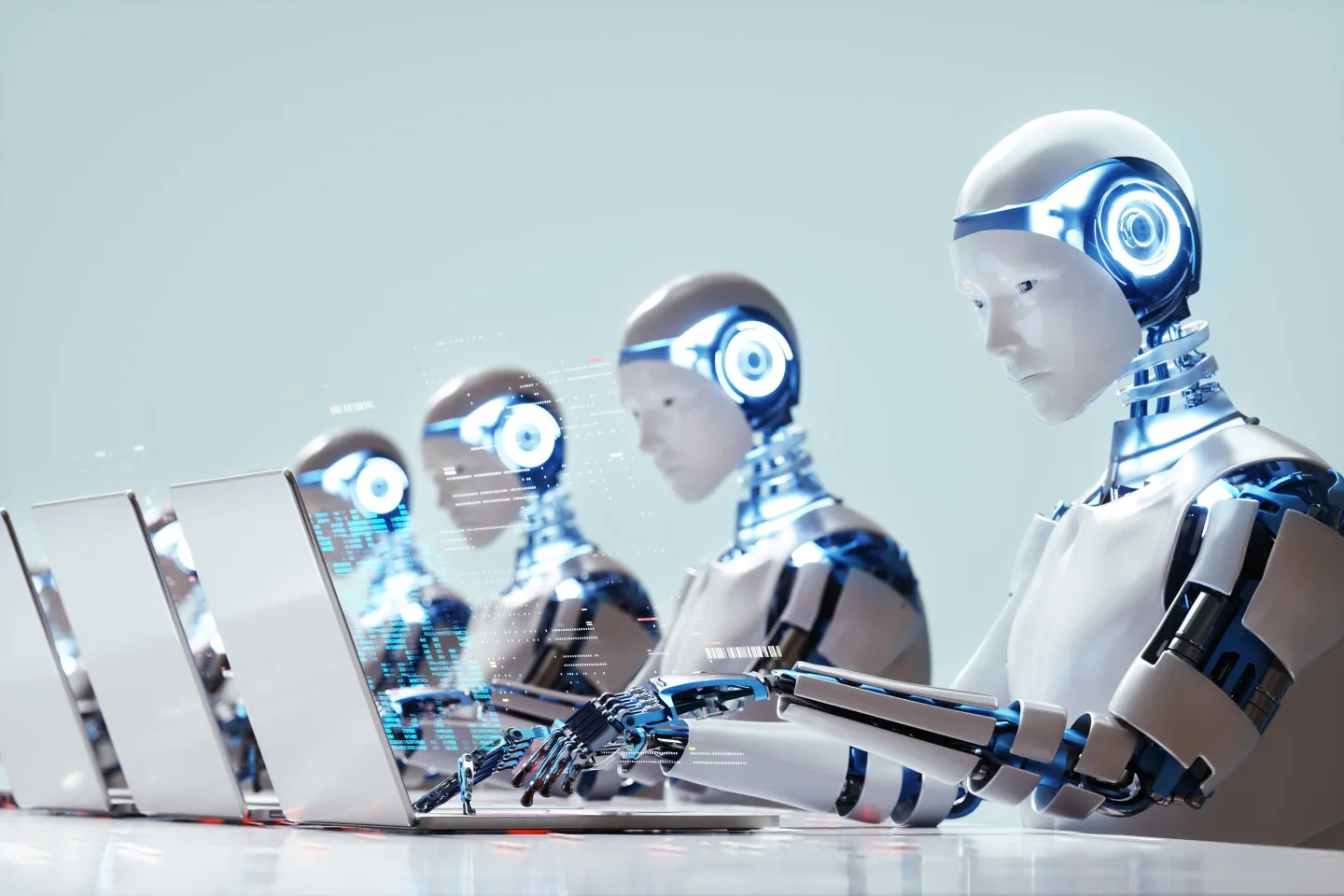
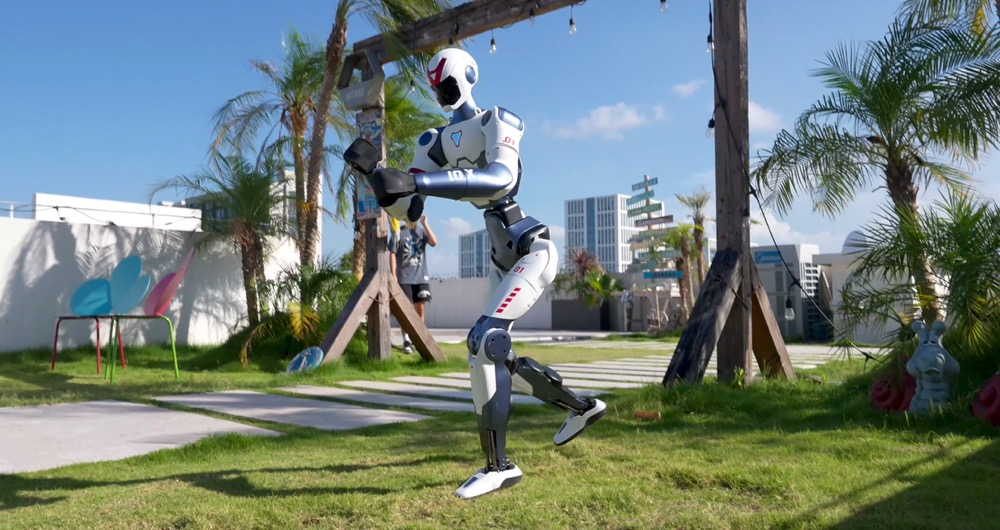
The video distinguishes between specialized robots and “general-purpose” robots, such as humanoids and quadrupeds.
-
General-purpose robots can perceive, make decisions, and handle complex, varied tasks.
-
The ultimate goal for these robots is Artificial General Intelligence (AGI) to free humans from repetitive and unsafe jobs.
III. Key Players in the General-Purpose Robot Market
-
Boston Dynamics: Known for its impressive robots, but commercialization is a challenge due to high costs.
-
Tesla (Optimus): Elon Musk’s project leverages Tesla’s manufacturing expertise to train robots in its factories.
-
China’s Robotics Sector: The Chinese government is actively supporting the industry, with companies like Yushu Technology gaining prominence.
IV. Major Challenges in Robotics Development
-
The Moravec’s Paradox: The video explains that tasks that are easy for humans (like walking) are difficult for robots due to the complexity of replicating millions of years of evolution.
-
Sensory Perception: Replicating the human sense of touch (e.g., sensing pressure or texture) is a significant hurdle.
-
Generalization Capability: Robots struggle to apply learned knowledge to new environments due to a lack of real-world training data.
-
Solutions include virtual training in platforms like NVIDIA’s Omniverse and real-world training in factories.
V. Commercialization and Market Leaders
-
The video discusses the challenge of commercial viability.
-
Tesla aims to reduce the cost of its Optimus robot to below $10,000 to make it more affordable than a human worker.
-
Chinese companies like Yushu Technology are achieving mass production and profitability by focusing on affordability.
VI. Conclusion
-
The video concludes that it will likely be 5 to 10 years before humanoid robots become commonplace.
-
The intense investment and rapid development in the industry make the future of robotics exciting to watch.
-
The host expresses awe at the complexity of the human body, which is a major challenge for robots to replicate.