
Here is a detailed outline of the video:
I. Introduction: The Rise of NVIDIA
-
NVIDIA’s Explosive Growth: The video begins by highlighting NVIDIA’s remarkable success, noting its market capitalization soared from one trillion to three trillion in just over a year, surpassing both Microsoft and Apple to become the world’s most valuable company.
-
The Key to Success: It poses the question of why NVIDIA’s stock price has been so successful compared to competitors like AMD and Intel, even though they also make graphics cards. The video reveals that the main reason isn’t just hardware, but a hardware-software integration technology called CUDA.
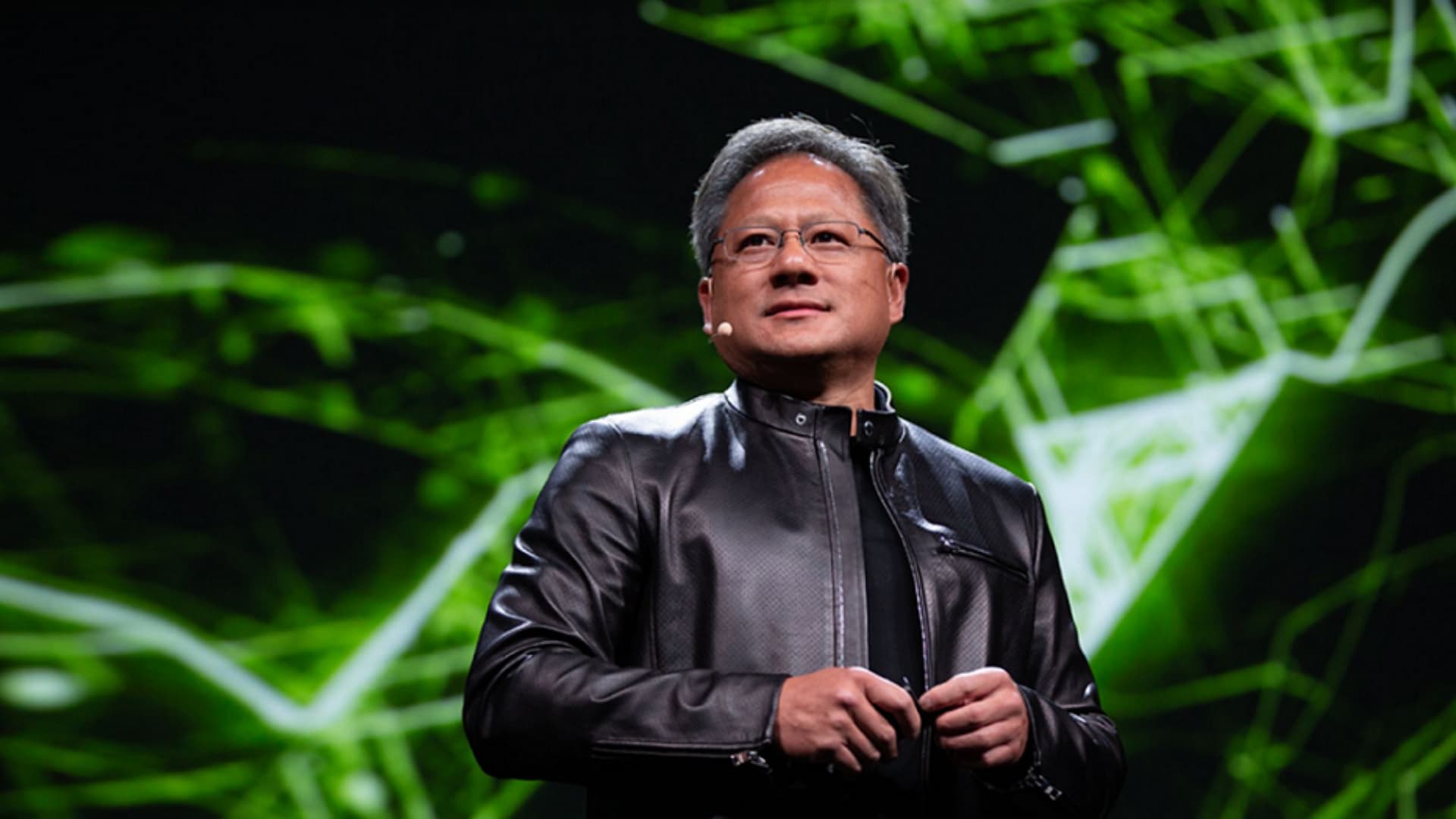
- Introducing CUDA: The video explains that CUDA allows graphics cards to be used for more than just gaming, enabling them to perform numerical computations and train AI models, which is the key to their surge in value. The video promises to delve into what CUDA is and why it’s considered Jensen Huang’s best bet.
II. The Role of Graphics Cards (GPUs)
-
GPU vs. CPU: The video uses an analogy to explain the difference between a CPU and a GPU. The CPU acts as a manager giving general instructions (e.g., “create a dazzling flame effect”), while the GPU handles the detailed, fine-grained calculations for each pixel.
-
How GPUs Work: It explains that a screen is made of pixels, and the GPU calculates the specific “recipe” of red, green, and blue light for each pixel. This recipe is then sent to the display to determine the voltage and ultimately the color shown.
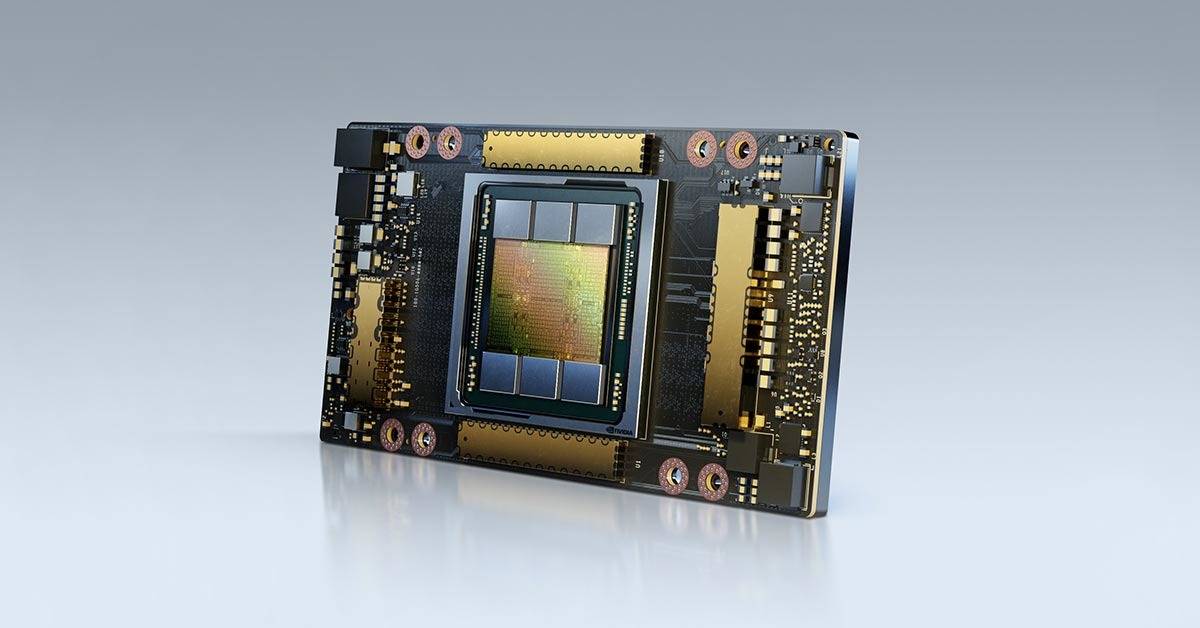
- The Need for Translators: The video then discusses the communication gap between software engineers and the computer. It introduces the concept of compilers that translate programming code into a language a computer can understand, and then explains that a “shader” is a specialized translator for the GPU, specifically for image rendering.
III. The Importance of CUDA
- Introducing GPGPU: The video explains that for engineers who want to use GPUs for AI calculations, learning the specific “shader” language is a barrier. This led to the development of General-Purpose Computing on Graphics Processing Units (GPGPU) technology, which allows users to use familiar programming languages to access GPU resources.
- NVIDIA’s Pioneering Role: NVIDIA is identified as the first company to develop this technology, releasing the GeForce 8800GTX in 2006 and officially naming its GPGPU product CUDA in 2007. This innovation allowed graphics cards to be used in other fields beyond graphics rendering.
IV. Why AI Needs CUDA
-
The Nature of AI Calculation: The video clarifies that most modern AI, especially deep learning, is essentially a large volume of mathematical calculations. While the operations (like addition, subtraction) are simple, the data is complex, often involving vectors, matrices, and tensors.
-
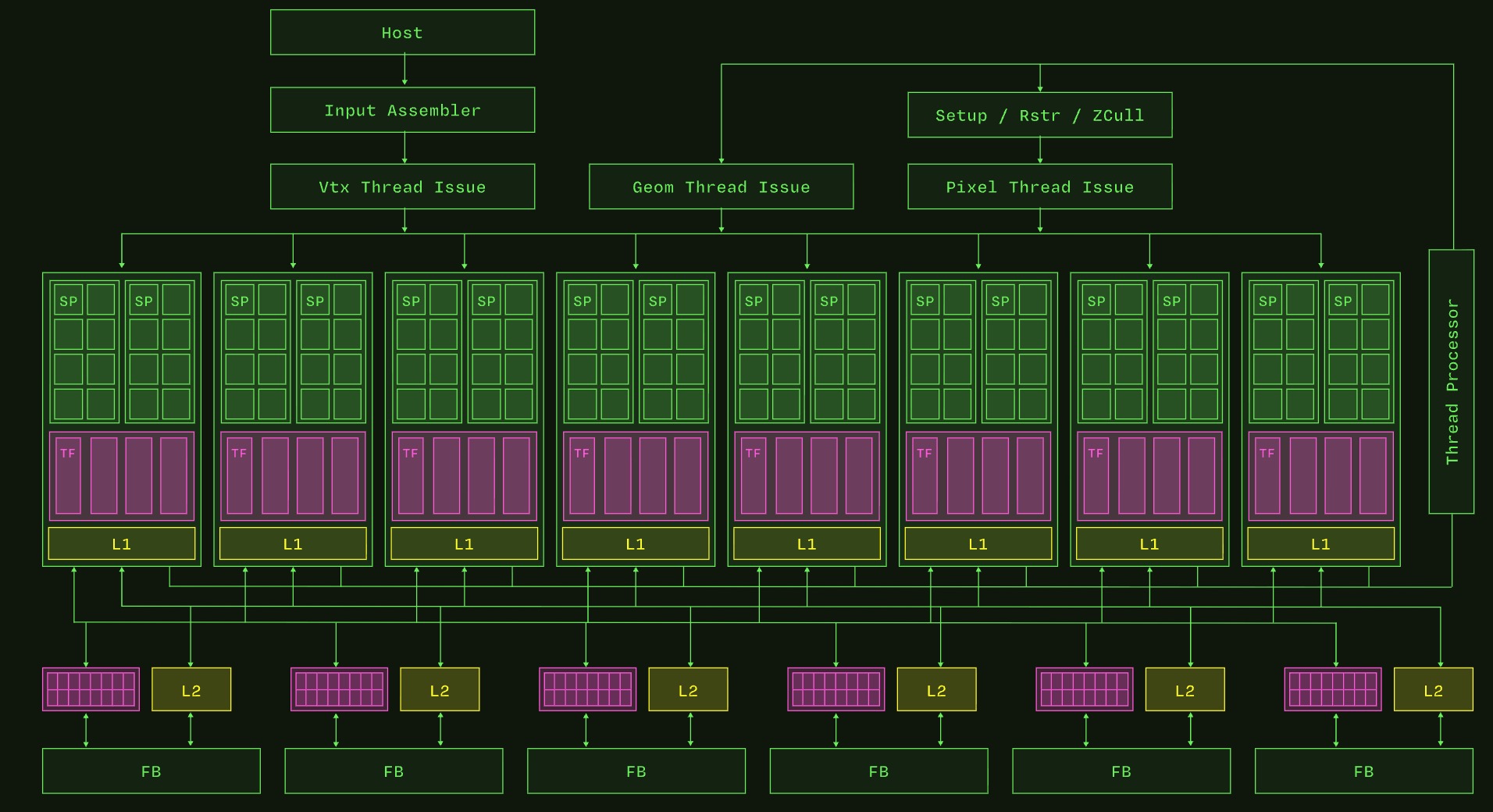
GPU’s Advantage: It reiterates that GPUs are excellent at performing these tensor operations due to their parallel processing capabilities. It uses an analogy of a factory with many assembly lines, where each line performs a simple, repetitive task, contrasting this with a CPU, which is a versatile but singular worker.
-
CUDA as the Manager: The video emphasizes that CUDA acts as the bridge between the CPU and GPU, as well as the manager of the GPU’s “factory.” It handles tasks like directing data to the correct processing units and optimizing the workflow by grouping similar tasks. This task classification saves memory and improves efficiency by streamlining the process.
-
Ease of Use: It highlights that CUDA offers a software library called cuDNN, which simplifies the process for AI researchers by automatically handling task classification and memory allocation, allowing them to focus on model training.
V. The Story Behind CUDA’s Success
-
A Risky Bet: The video reveals that CUDA was not an immediate success and was even initially rejected by the industry and NVIDIA’s own developers. Jensen Huang, however, persisted, seeing the potential for GPUs in scientific computing beyond gaming.
-
The Turning Point: The key turning point was the 2012 ImageNet visual recognition challenge. Two doctoral students, Alex Krizhevsky and Ilya Sutskever, used an NVIDIA graphics card with CUDA to train their deep learning model, AlexNet, and achieved an unprecedented error rate. This proved the power of using GPUs for deep learning and thrust CUDA into the spotlight.
VI. NVIDIA’s Future and New Frontiers
-
Dominance in AI: The video concludes that NVIDIA now dominates the AI market with its hardware and CUDA software, with analysts even discussing the possibility of a $10 trillion market value.
-
Quantum Computing: It reveals NVIDIA’s next move: entering the quantum computing field with the cuQuantum platform, which integrates classical and quantum computing algorithms. This leverages NVIDIA’s expertise in managing complex computing architectures.
-
User Engagement: The video ends by asking the audience for their opinion on which field NVIDIA should focus on next to maintain its leadership, offering options like healthcare AI or quantum computing.