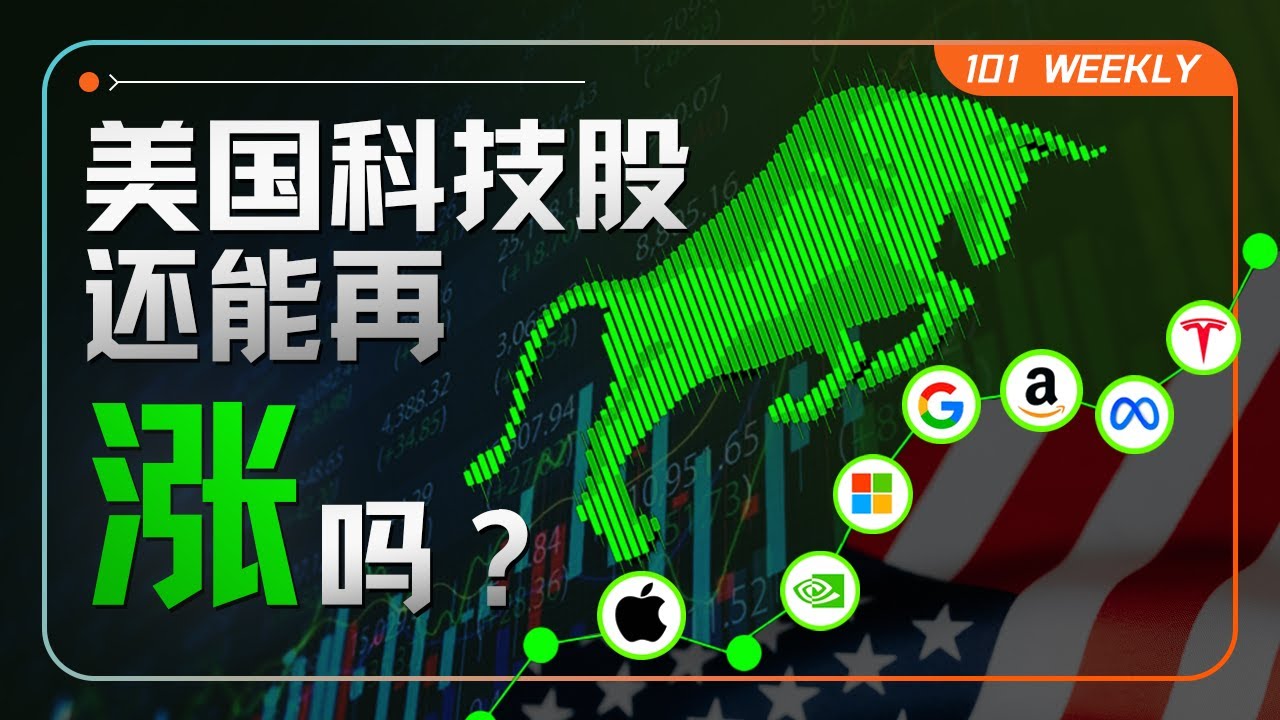
This video discusses the factors behind the sudden market sell-off on August 1st and the key takeaways from the recent US stock market earnings season.
Economic Factors and Market Sell-off
-
Poor Employment Data: The video explains that the sell-off on August 1st was directly triggered by the release of poor US non-farm payroll data. The data not only showed that new jobs added in July were significantly below expectations but also revealed a major downward revision of employment figures for May and June. This suggested that the employment situation in the US has been very poor over the past three months.
-
Impact of Tariff Policies: The data was seen as a reflection of the economic slowdown caused by Trump’s policies, which made it harder for people to find jobs. In response, Trump threatened to fire the head of the Bureau of Labor Statistics, causing a major shock to market confidence as it raised concerns about the reliability of future official government data.
-
Capital Expenditure on AI: The video highlights that a major trend from the recent earnings season is the continued increase in capital expenditures (CapEx) on AI. Four major tech companies—Microsoft, Google, Amazon, and Facebook—are projected to invest nearly $400 billion in building AI infrastructure this year. This investment exceeds the entire defense spending of the European Union last year.

The Role of AI in Corporate Earnings
-
Meta: The company showed strong growth driven by AI. By using AI-optimized recommendation algorithms, Meta increased the watch time of short videos by 20% year-over-year, leading to a 9% increase in the average ad price in the second quarter.
-
Microsoft: Microsoft became the second company to exceed a $4 trillion market cap, thanks to its cloud computing business. The demand for AI services has driven a 34% increase in revenue for its Azure cloud business.
-
Amazon: Amazon’s earnings were disappointing, causing its stock to drop by 9%. Its cloud business, AWS, showed a growth rate slightly below expectations. The video suggests this is partly due to Amazon lacking large AI customers and being slower in deploying AI resources compared to its competitors.
Future Outlook and Investor Concerns
-
AI Profitability: The video notes that while AI investment is booming, the actual profitability may not be realized until around 2028.
-
Tariff Impact: Another concern is the delayed effect of tariffs on consumer spending. The price increases resulting from these tariffs are just now starting to be felt by consumers, and it is unclear how this will impact their purchasing power and future market trends.
-
Market Divergence: The video points out a significant divergence in the market, where companies positioned as AI innovators are performing well, while others, particularly those where the AI narrative is weak or growth is below expectations, are struggling. This divergence is also seen within the “Magnificent Seven” (M7) group, with companies like Microsoft and NVIDIA thriving while others like Amazon, Google, Tesla, and Apple are lagging behind. The video concludes that the previous strategy of simply investing in M7 stocks is no longer effective. Instead, investors need to focus on companies that can genuinely generate revenue and profit from their AI businesses.