
This video discusses Apple’s strategy to increase iPhone production in India and whether this move can be successful in the long term, particularly in the context of U.S. tariffs and China’s established manufacturing ecosystem.
1. Introduction: Apple’s Dilemma with U.S. Tariffs
-
The video highlights the uncertainty surrounding iPhone tariffs. An initial U.S. customs order temporarily lifted a 12.5% tariff on Chinese smartphones.
-
However, this was quickly reversed by the White House, leaving Apple with significant future tariff risk on products like the iPhone, Mac, and Apple Watch.
2. Apple’s Strategy to Mitigate Risk
-
In response to trade tensions, Apple implemented a contingency plan to increase iPhone production capacity in India.
-
The goal is to raise production at its Indian factories from 25 million to 30 million units by 2025.
-
This plan also includes the production of high-end iPhone models specifically for the U.S. market.
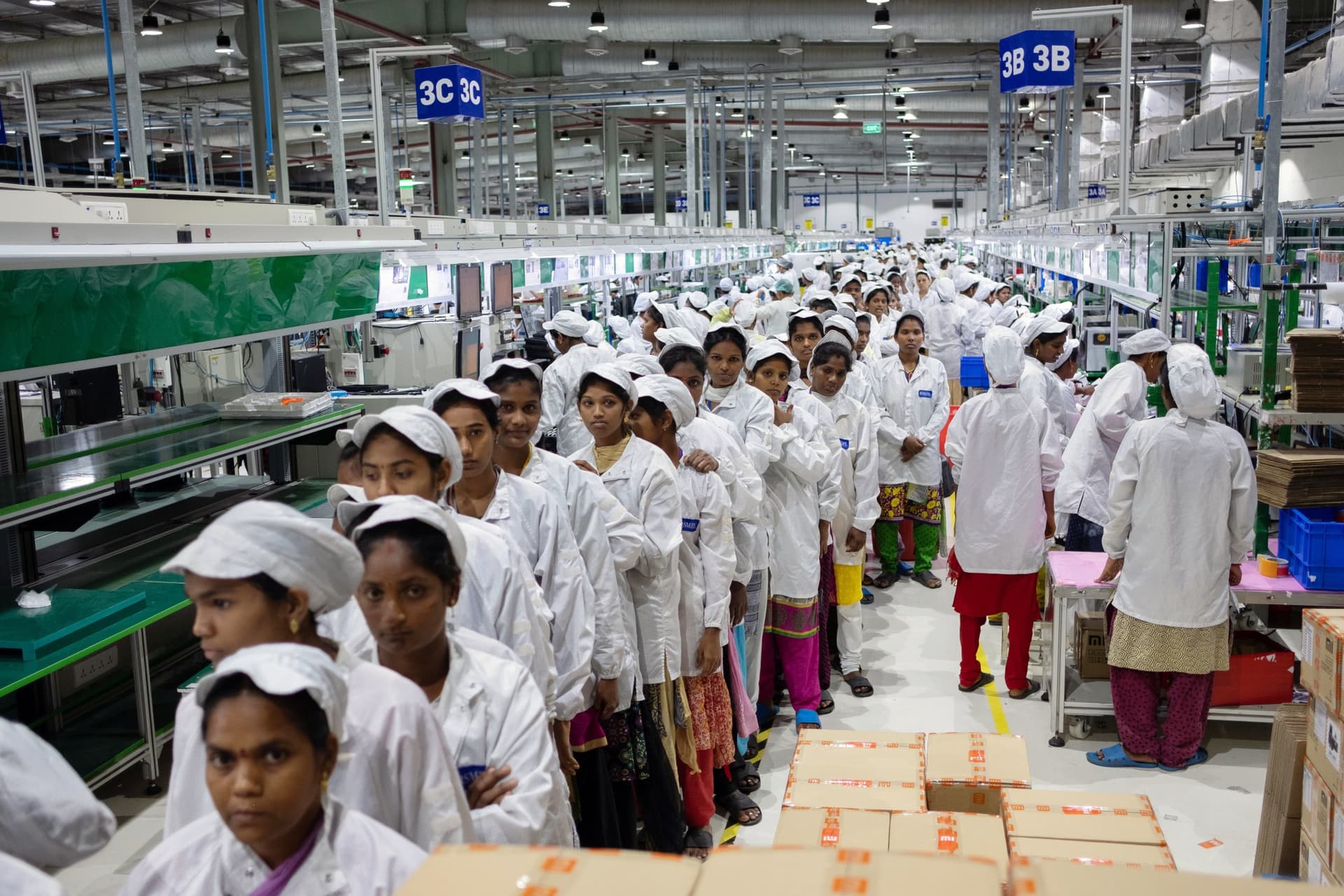
3. The History of iPhone Production in India
-
Apple began producing iPhones in India as early as 2017 in response to a 20% import tariff imposed by the Indian government.
-
Initially, Apple’s performance in the Indian market was poor, with a market share below 1% due to high prices and competition.
-
Early production yields were very low.
-
A significant turning point occurred around 2021 when the U.S.-China trade war and other factors led Apple to prioritize its Indian factories, marked by Foxconn’s large-scale entry into the country.
4. Addressing Misconceptions About Indian Manufacturing Quality
-
The video debunks rumors that production yields in India are only 50%.
-
It explains that while early yields were around 70%, they have since improved to 85% or even 90% for newer models like the iPhone 13 and 14.
-
The speaker clarifies that while Indian yield rates are still lower than in China, assembly quality is no longer the primary issue.

5. The Challenges and True Problems of “Made in India”
-
The video identifies four key challenges for iPhone production in India:
-
Weak Supply Chain: The biggest weakness is India’s fragile supply chain. China has 151 core Apple suppliers, while India has only 14, requiring 50-65% of core components to be imported from China.
-
Higher Costs and Inefficiency: Manufacturing an iPhone in India is about 15% more expensive than in China due to logistics and import fees. Component sourcing also has much longer lead times in India.
-
Lack of Core Technology and Innovation: India’s manufacturing ecosystem lacks the core technology and innovation capabilities that China has developed over the past decade.
-
Mismatch with U.S. Goals: The U.S. government’s ultimate goal is to bring high-end semiconductor manufacturing back to the U.S., not to move low-end assembly jobs to India.
-
6. Conclusion
-
The speaker concludes that Apple’s move to India is primarily a short-term, risk-hedging strategy to deal with geopolitical and tariff issues.
-
It does not solve the long-term strategic challenges, as the true power in the industry lies with those who control chips, AI, and advanced components.
-
The video asserts that the symbiotic relationship between Apple’s development and China’s manufacturing ecosystem is irreplaceable and cannot be replicated elsewhere.