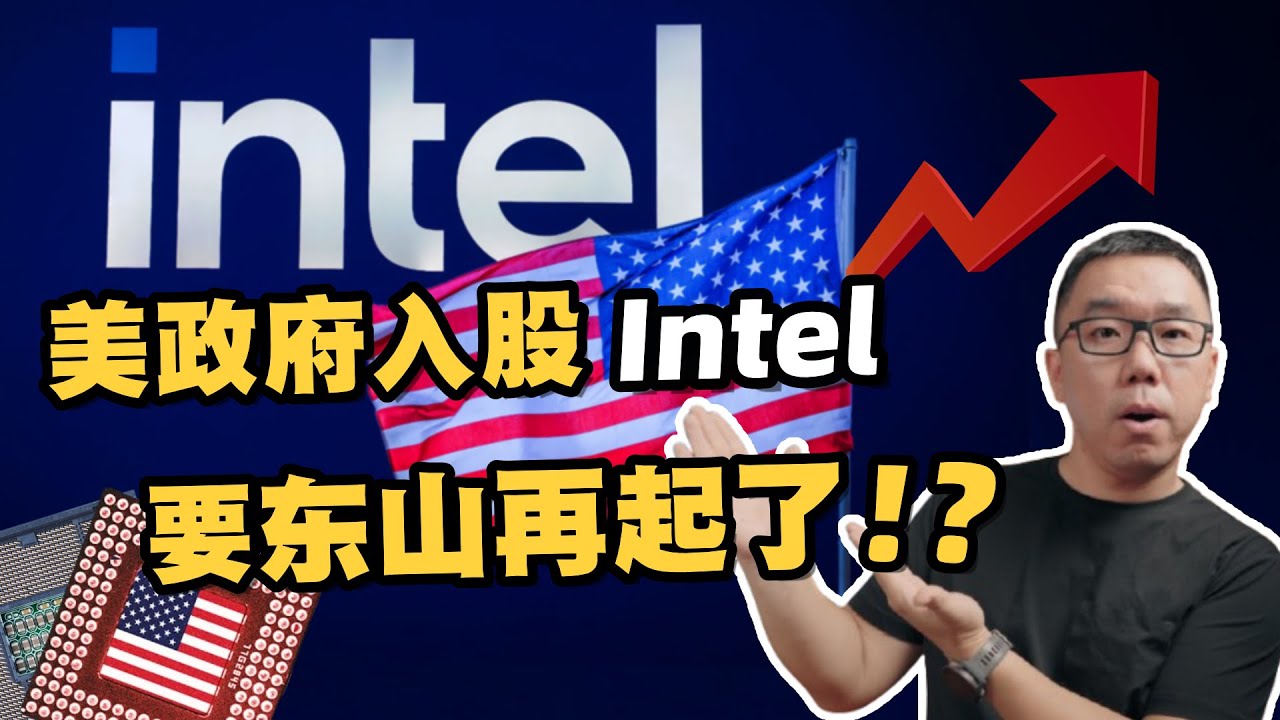
The video discusses the U.S. government’s decision to invest $8.9 billion in Intel, a move that makes the government Intel’s largest shareholder.
The video makes the following key points:
-
The Nature of the Investment: This is not a typical subsidy but a strategic acquisition of common stock, giving the government a 10% stake in the company. The government’s shares have no voting rights, and the investment is framed as a “bailout in disguise,” highlighting Intel’s urgent need for financial support and a shift towards state capitalism.
-
Reasons Behind the Investment: The investment serves as a strong signal of government backing, emphasizing that Intel is “too big to fail.” It is also a matter of national security, as Intel is seen as a crucial strategic asset. The investment is also intended to encourage major tech companies like Apple and NVIDIA to place orders with Intel’s foundry business.

-
Potential Challenges for Intel: The video notes that the investment does not solve Intel’s fundamental problems with technology and yield rates. It also points to Intel’s “leader-centric” corporate culture, which is ill-suited for the customer-service-oriented foundry business, and the potential for a loss of neutrality that could alienate international customers.
-
Implications for Other Companies: The U.S. government’s policy is shifting from “Made in America” to “Owned by America,” which could mean that other companies like TSMC and Samsung may not receive the same benefits as Intel. The video suggests that as a major shareholder, the U.S. government could use non-market methods to help Intel, such as forcing other companies to share technology or redirect orders.
The video concludes that this investment is a landmark event, marking the beginning of a new era of U.S. industrial policy focused on technological control and sovereignty.