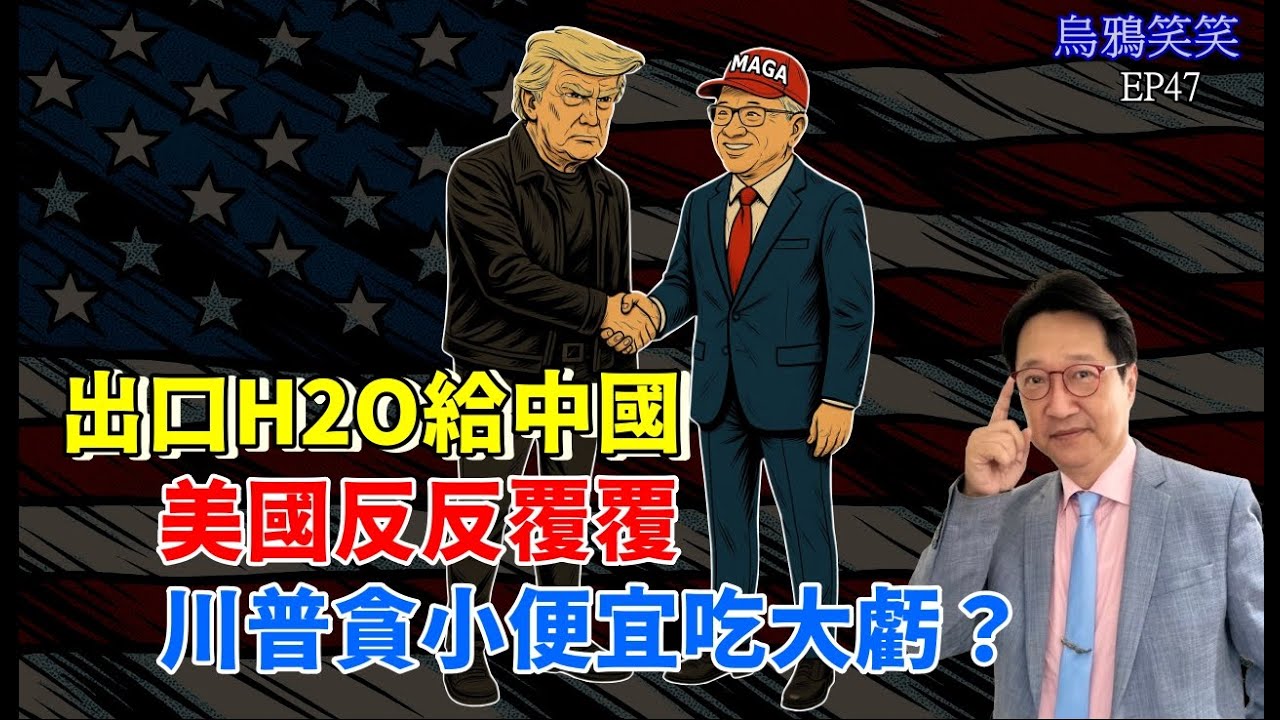
This video discusses the United States’ policy regarding the export of AI chips to China, focusing on NVIDIA’s products and the fluctuating restrictions imposed by the U.S. government.
Key points covered in the video include:
-
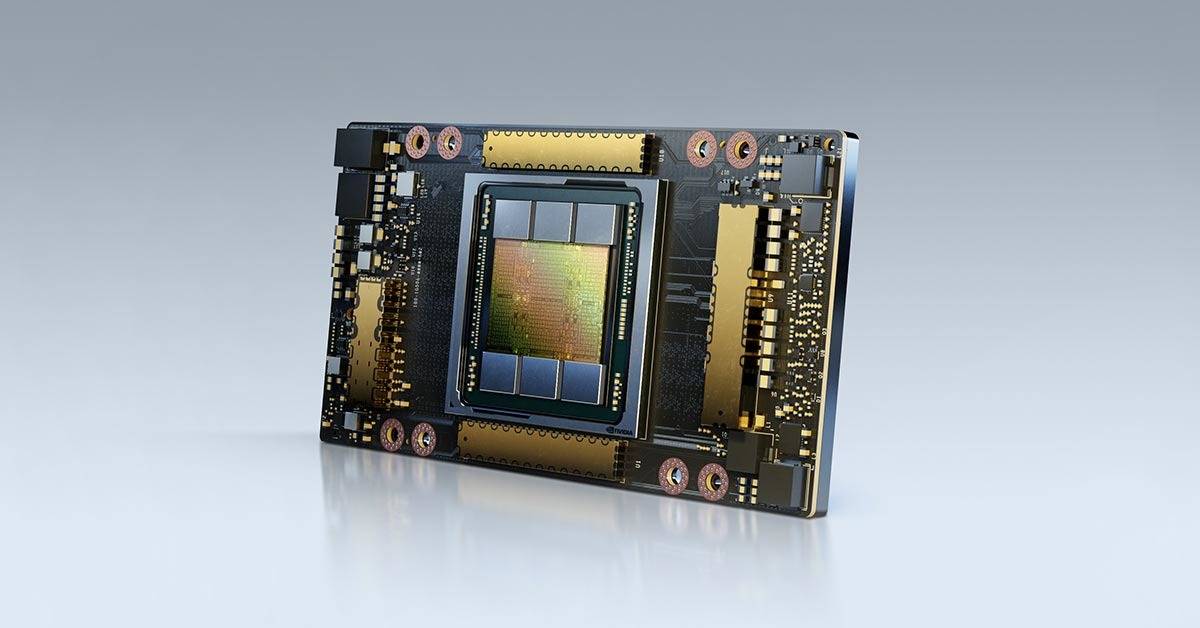
NVIDIA’s AI Chips: The video explains that NVIDIA, known as “Yīng Wěi Dá” (英伟达) in mainland China, names its GPU products after famous scientists. Examples include the A100 based on the Ampere architecture and the H100 and H200 based on the Hopper architecture.
-
Export Restrictions and Downgraded Chips: Due to U.S. export bans, NVIDIA developed special, downgraded chips for the Chinese market, such as the H800 and H20. The video explains the back-and-forth decisions by the U.S. Bureau of Industry and Security (BIS) regarding these chips.
-
Technical Details: The speaker breaks down the technical specifications used to regulate these chips, including FLOPS (Floating Point Operations Per Second), a unit to measure a chip’s computational power, as well as memory and bandwidth. The video notes that the H800 has reduced bandwidth compared to the H100, making it less suitable for large-scale, interconnected use.
-
Strategic Implications: The video analyzes the motivations behind the U.S. and China’s actions. It is suggested that the U.S. initially restricted the chips for national security reasons to prevent China from developing advanced military technology. However, the U.S. later changed its policy, with one theory suggesting it was to undercut China’s domestic chip industry, and another, confirmed by the current US President, revealing a deal where NVIDIA and AMD would give a portion of their Chinese revenue to the U.S. government.
-
The Future Outlook: The video concludes that despite the political and economic friction, both NVIDIA and China are finding ways to work within the restrictions. While China may have some internal voices against purchasing foreign chips, it is unlikely to completely stop buying them in the short term due to its high demand. However, this situation is also motivating China to accelerate its domestic development of AI chips and platforms to reduce its reliance on foreign technology.