This video discusses the implications of the US government’s investment in Intel and the potential for similar actions toward other semiconductor companies, particularly TSMC.
Key points covered in the video include:
-
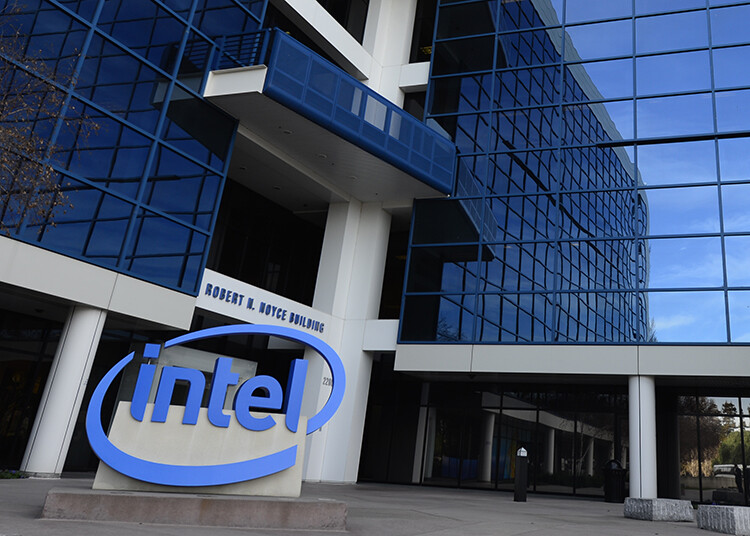
The US government’s investment in Intel: The video explains that the US government, through the Chips and Science Act, converted a portion of its planned subsidy for Intel into common stock, making it Intel’s largest single shareholder.
-
Trump’s justification: The speaker notes that President Trump celebrated the deal on his social media platform, stating that the government acquired the stock without paying anything for it and that he would continue to make similar deals for the country.
-
US government’s influence on companies: The video argues that the US government can exert pressure on companies like Intel and TSMC without needing to be a shareholder. It provides examples of how the US government has already influenced these companies’ decisions, such as pressuring Intel’s former CEO to resign and demanding that TSMC increase its investment in Arizona.
-
TSMC’s relationship with the US government: The speaker reveals that TSMC has a direct and well-established communication channel with the US Department of Commerce. This is further highlighted by the fact that five of TSMC’s six new independent directors are US citizens.
-
The future for TSMC: The video concludes that the US government, driven by national security and military interests, will likely continue to pressure TSMC to secure advanced chip manufacturing capabilities within the US, especially as Intel lags behind in advanced process technology. The speaker believes this is a “100%” certainty and will happen soon, prompting TSMC to try to delay these pressures.