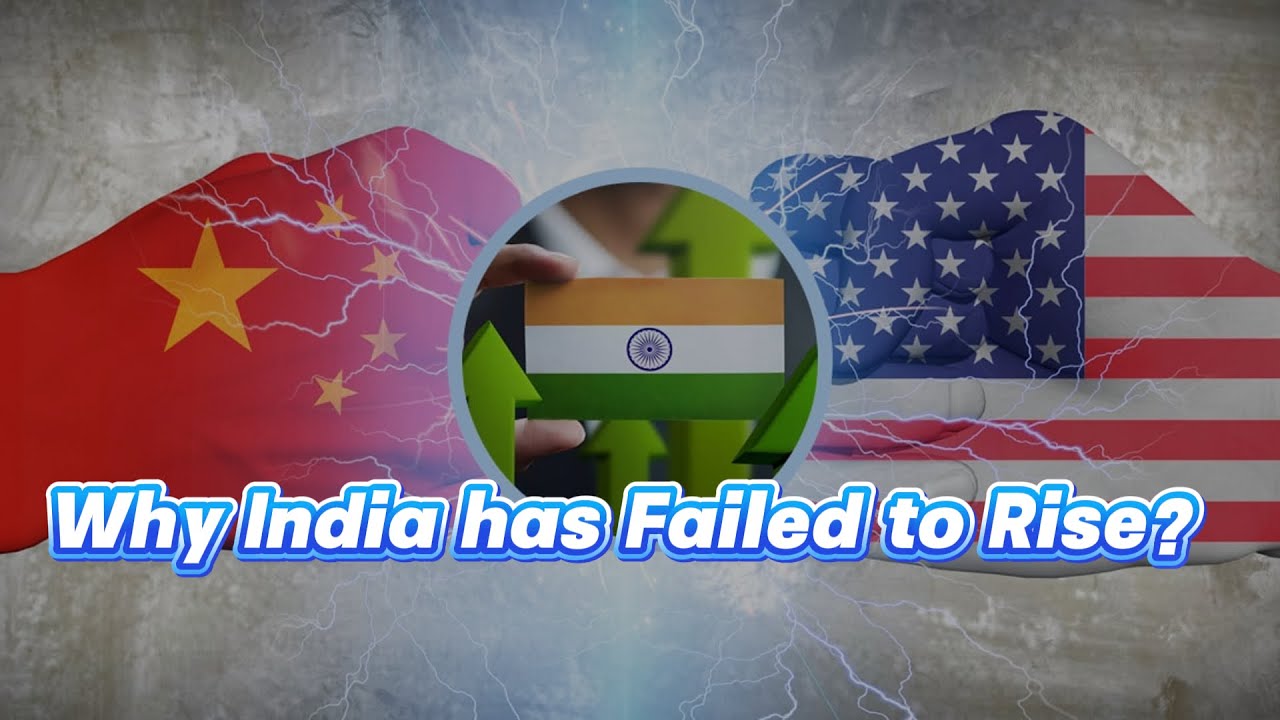
This video discusses recent geopolitical events and their implications, focusing on the relationship between the US, China, and India.
The key points include:
-
US-China Negotiations: The video begins by mentioning the conclusion of US-China negotiations in Stockholm, where both sides agreed to postpone talks on unresolved issues and extend the suspension of tariffs for 90 days. It also notes that the US lifted some chip export restrictions on Nvidia and AMD to China.
-
India’s Position: The video critiques Indian Prime Minister Modi’s diplomatic and economic situation, particularly in relation to the US. It portrays India as being in a vulnerable position and suggests that India’s economic reliance on the US and its trade deficit make it susceptible to US policies, such as Trump’s tariffs.
-
Critique of Indian Media and Data: The speaker criticizes Indian media personalities and the Indian government for allegedly fabricating news and economic data, which the speaker claims are “foul data that disgusts global media.” The video suggests this “fake data” only serves for “vain self-consolation” and has no real value.
-
Analysis of Diplomatic Relations: The video explains that Trump’s treatment of different countries is based on their strength and ability to retaliate. It states that Trump respects leaders who “hold cards” and can defend their dignity with actions. In contrast, the video argues that Trump “openly insults” Modi because he views him as a “coward” who lacks the ability to make the US worry.
-
Historical Context: The speaker refers to China’s history to emphasize the idea that to earn international respect, a nation must be strong and willing to defend itself with actions. The video contrasts this with India, which was a British colony at the time.
-
Conclusion: The video concludes that a nation’s dignity must be earned through strength and that having leverage is necessary to be respected at the negotiating table.