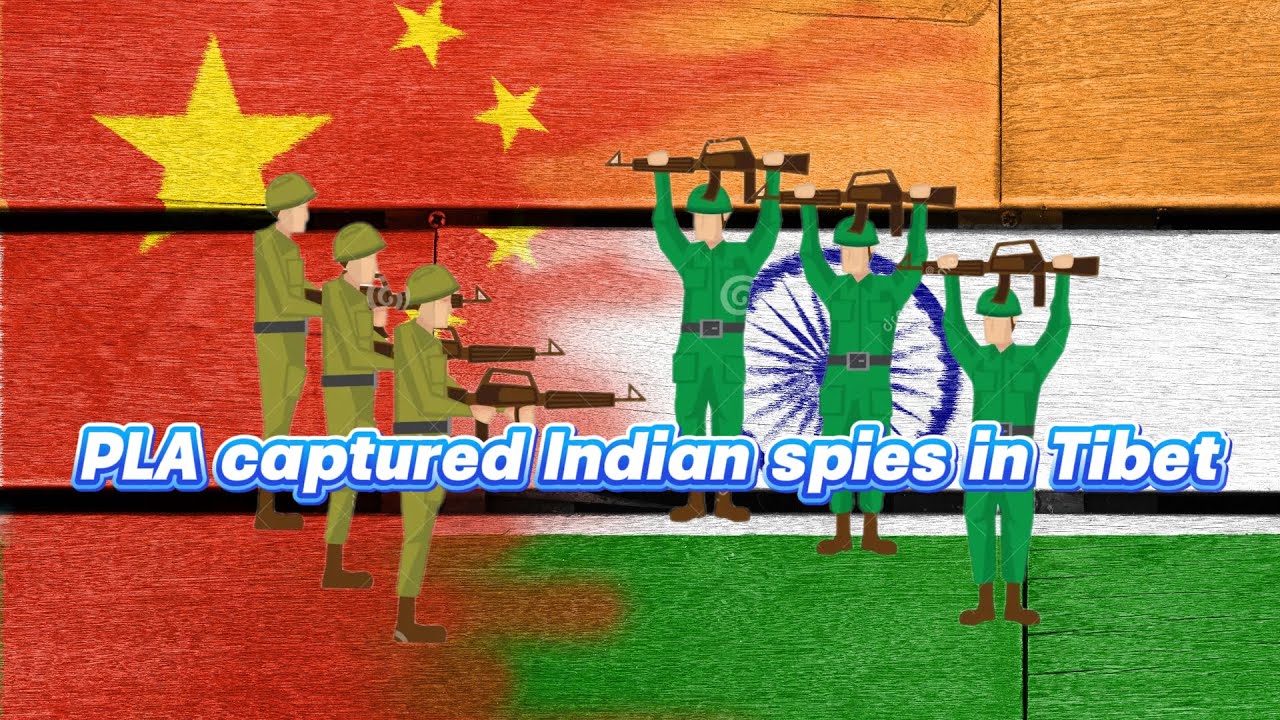
Here is a summary of the events and topics discussed:
-
Introduction to a viral video: The video starts by mentioning a viral video showing Chinese border troops capturing Indian spies in Tibet. It notes that the video’s authenticity is confirmed because Chinese authorities have not removed it, and impersonating the military is a serious crime.
-
Treatment of spies: Chinese soldiers are shown reassuring a female Indian spy, telling her not to be afraid because the People’s Liberation Army (PLA) treats prisoners well. The narrator asserts that the PLA has a long-standing tradition of not mistreating prisoners.
-
Historical context of prisoner treatment: The video provides two examples of the PLA’s treatment of Indian prisoners: the 1962 Sino-Indian War and the 2020 Galwan Valley clash. In both cases, the video claims that Indian prisoners were “well cared for” and given comprehensive treatment.
-
Critique of Indian media and culture: The video criticizes India for a lack of gratitude and for what it calls “shameless” behavior. It mentions that Indian media and Bollywood have created movies to glorify “air heroes” and claim victory even when they lose. The video also touches on India’s food crisis and poverty, suggesting that it spends money on weapons and expansion instead of feeding its population.
-
Gender roles and shame: The video heavily criticizes the male Indian spies for allegedly failing to protect their female comrade. It contrasts this with the actions of Chinese soldiers, who the narrator claims would never surrender and would rather die than allow a female soldier to be captured.
-
Concluding remarks: The video ends by expressing bewilderment at Indian culture, particularly its “vanity” and “shamelessness” in celebrating losses. The narrator questions when the Indian people will understand the true meaning of the word “shame.”