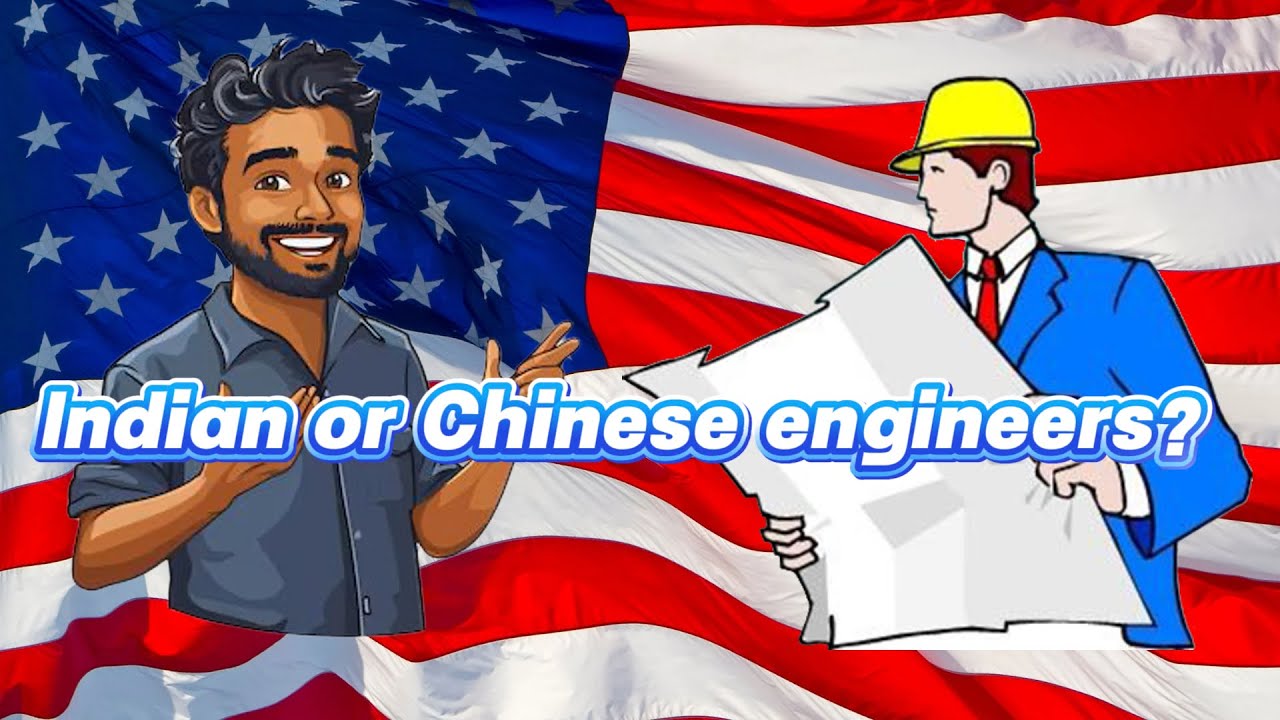
This video discusses the competition between the US and China in the technology and AI sectors, focusing on the role of talent and export restrictions.
Key points covered in the video include:
-
Impact of US Export Restrictions: According to Nvidia’s chief scientist Bill Deli, US AI chip export restrictions have inadvertently accelerated China’s independent AI chip research and development. This view is shared by Nvidia CEO Jensen Huang and AMD CEO Lisa Su, who believe the technology gap between the two countries is small and the outcome of this “technological race” is still uncertain.
-
Huawei’s Technological Advancements: The video highlights Huawei’s progress in AI chips, noting that its Ascend 910C is quickly catching up to Nvidia’s high-end chips. Huawei’s “Cloud Matrix 384” computing cluster is also said to have surpassed Nvidia’s in absolute computing power through innovative technology.

-
The Role of Chinese and Indian Talent: The video argues that the competition between the US and China is largely a contest among Chinese, Taiwanese, and American-Chinese individuals in the tech and chip industries. It suggests that the US’s technological lead has declined as Silicon Valley has become “Indianized,” while Chinese engineers have been crucial in maintaining the US’s position in high-end chips and AI.
-
Comparisons of Talent: The video contrasts Chinese and Indian talent, stating that Chinese engineers are patriotic and have a strong sense of national duty, often returning to China to contribute to its technological rise. In contrast, it claims Indian engineers are less attached to their home country and more focused on personal career advancement, and are not as competitive as their Chinese counterparts in intellectual and practical contributions.
-
A Call for US Policy Change: The video concludes by suggesting that for the US to win the tech war, it must value and retain Chinese talent by treating them as equals instead of a “servant class.” It argues that even second-tier Chinese talent would be more reliable than Indian engineers for the US’s technological future.