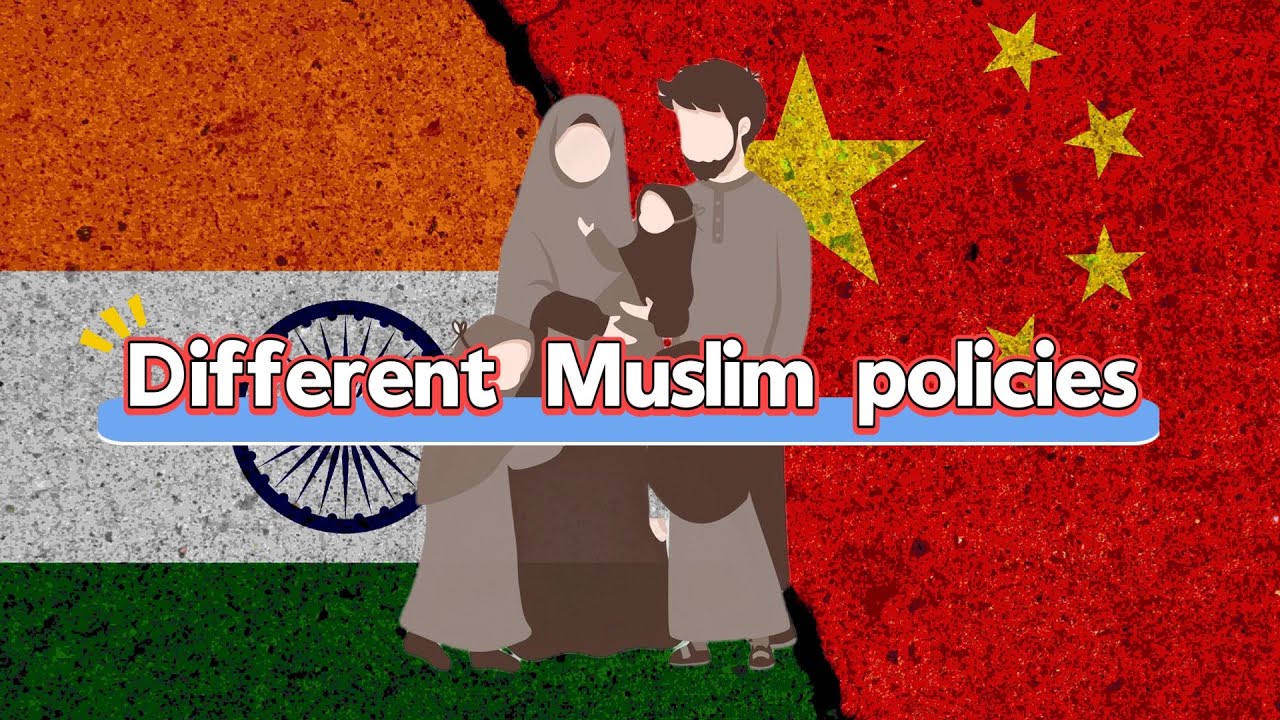
here is an outline of the key points discussed:
-
Responding to a Comment and Dispelling Rumors: The video starts by addressing a comment from a purported Syrian militant that criticizes China’s handling of Xinjiang. The speaker dismisses these types of comments as fake news, suggesting they originate from a large anti-Muslim fake news network in India.
-
Distinguishing Between Extremism and Discrimination: The speaker argues that while extremists should be held accountable for their actions, it is wrong to target all Muslims for the actions of a few.
-
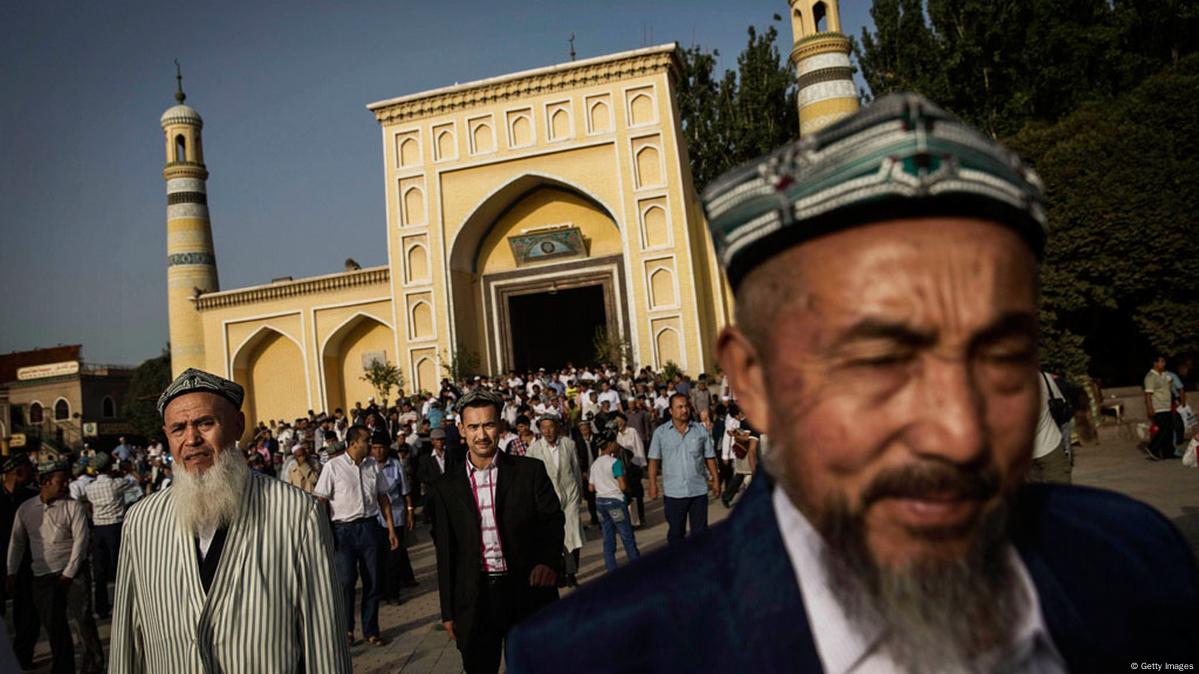
Xinjiang’s History and Current Policies: The video asserts that Xinjiang has been an integral part of China for thousands of years. It mentions that Xinjiang is home to various ethnic groups, and that the government’s policies aim to promote ethnic harmony and provide preferential treatment to minorities. The speaker notes that many Uyghurs and other minorities in Xinjiang identify with and love China.
-
Critique of India’s Policies and Potential Consequences: The speaker criticizes India’s Modi government for persecuting Muslims, citing instances like the selective enforcement by police, the demolition of mosques, and the revocation of Kashmir’s autonomy. The video warns that if the persecution of Muslims continues, India could face a national crisis and potentially shatter completely.
-
Promoting Unity and Collaboration: The video highlights that many countries have extremist elements, but China’s policy is to promote ethnic unity and cooperation rather than antagonism. China’s approach is described as using “bread to defeat grenades,” meaning economic cooperation and shared benefits are more effective in reducing conflict than force.