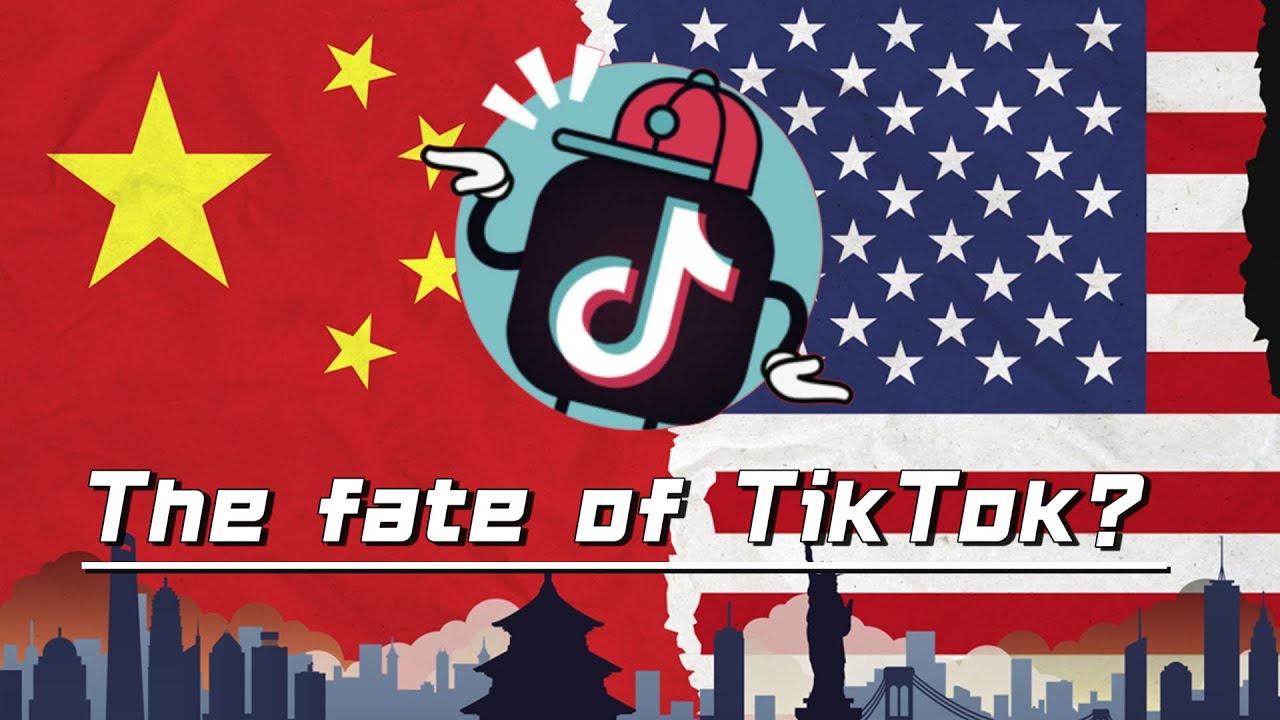
This video provides an update on the ongoing situation regarding a potential TikTok ban in the US, explaining the motivations of the key players involved: President Donald Trump, China, and various American investors and businesses.
Here’s a breakdown of the key points:
- Trump’s Position: The video notes that Trump has twice delayed the deadline for a potential ban, pushing it back to mid-June. While he publicly aims to save the app to honor a campaign promise to young voters, the situation has become more complex. He’s considered proposals like the US government taking a 50% stake in TikTok’s American operations or having US investors take control. The video suggests that for Trump, reaching a deal is a political necessity to avoid alienating young voters before the next election.
-
Potential Buyers: Several companies and individuals are mentioned as potential buyers for TikTok’s US business, which is valued at $50 billion. The list includes:
-
Oracle: Described as a frontrunner due to its existing relationship as TikTok’s cloud provider.
-
Amazon: Entered a bid in early April, but the video suggests its late entry hurts its chances.
-
Elon Musk: Rumored to be a potential buyer through his company X, and has publicly spoken out against the ban.
-
Other heavyweights: The video also names former Treasury Secretary Mnuchin, Dodgers owner McCourt, Blackstone, and Susquehanna.
-
-
China’s Stance: Initially, China was firm against a ban, but its tone softened in early 2025. However, after Trump imposed new tariffs, China halted talks and tied any deal to trade concessions. The video explains that ByteDance, TikTok’s parent company, needs Beijing’s approval for any sale. China views TikTok as a bargaining chip and is in no rush, preferring to wait for a more favorable offer.
-
Consequences of a Ban: The video highlights that a ban would harm more than just TikTok. It would negatively impact major US investors in ByteDance, such as Sequoia Capital and General Atlantic, as well as countless creators and small businesses that rely on the platform. While a ban would mean China loses one overseas asset, the video argues the US would face a “steeper toll” by needing to rebuild a digital ecosystem from scratch.